Five reasons why (hook-less) camera angling is fun
-
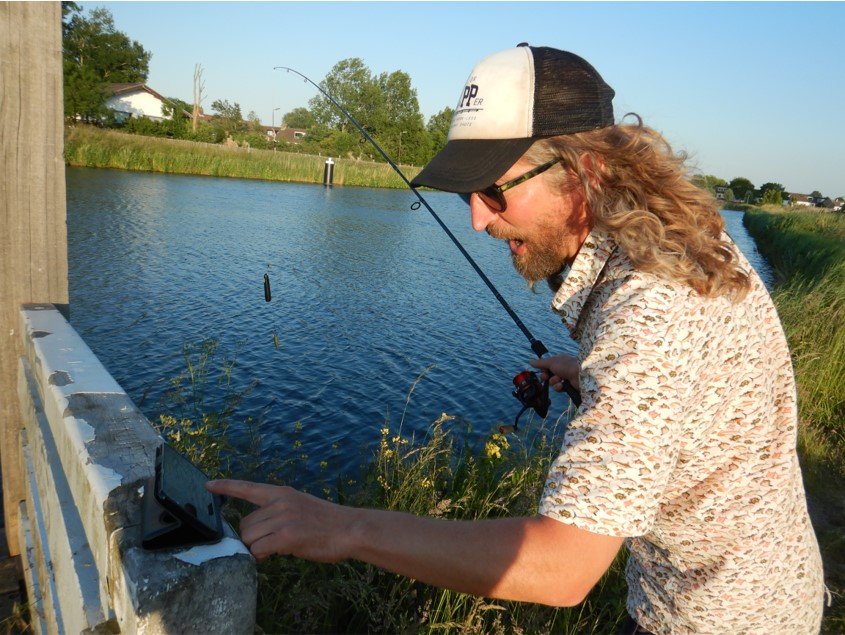
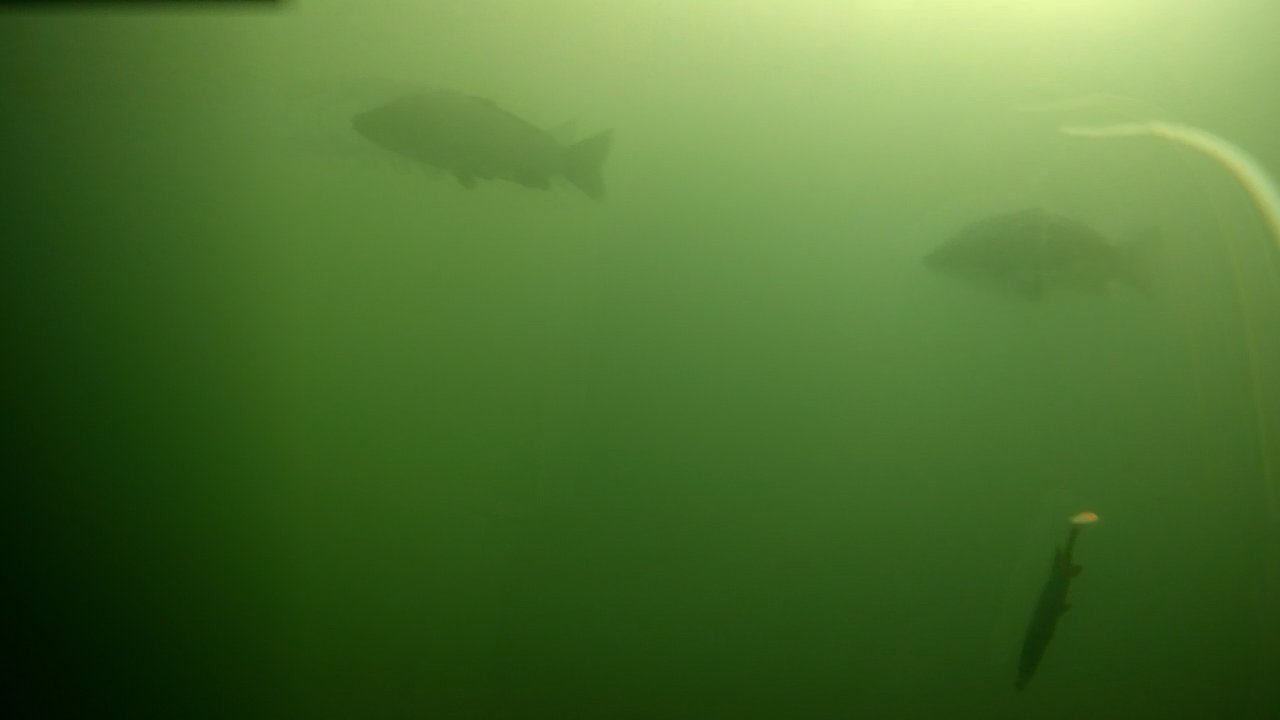
Without an underwater view you sometimes go home empty handed, no catch, no release, no bbq. But you never know, you may have caught some action on camera. I enjoy reviewing some footage (as tedious as it can be at times) and then be surprised by a sneaky fish face.
-
No hooks means less risk to get snagged. You do not waste money, do not pollute the environment, and do not harm any fish. A win-win for everyone involved in the game of camera angling. And it is also safer for yourself and your angling buddies: no hooks can unexpectedly cross-fire….
-
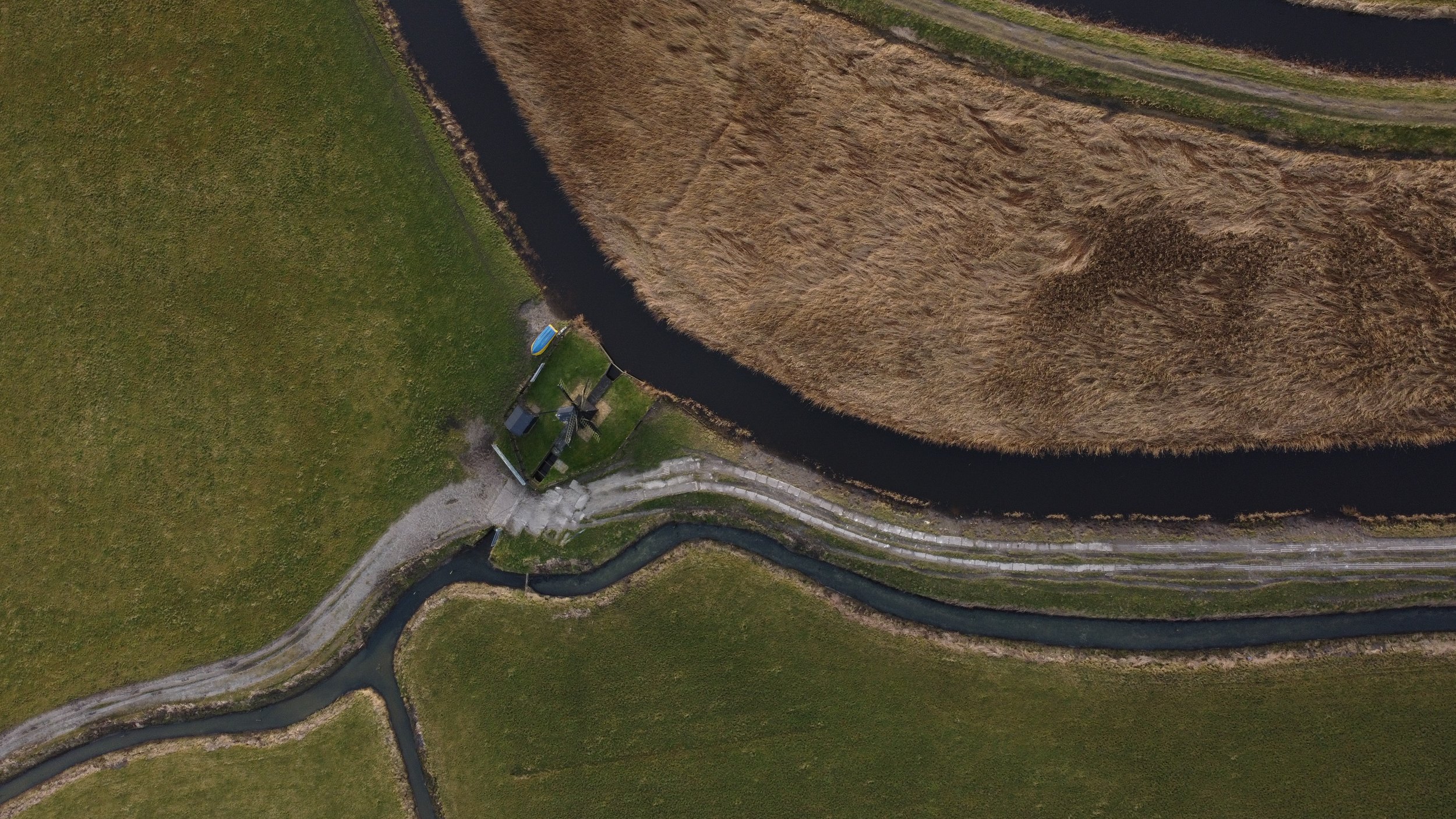
Deploying an underwater camera without “extracting” an organism, legally means you are not fishing and are in most cases free to “fish for footage” in places where others can’t go. I checked with a legal department in Belgium and got the green light. But before you turn into a guerilla camera angler, please check with your local authority.
-
Combining diving with angling - getting thrilled without getting wet. There is also a thrill element to it. You do not know what you caught. Arguably, there is less fight time involved, as you “only” reel in a camera after a bite or nibble and not an animal that is trying to evade predation in agony.
-
And the best thing: if you got lucky and caught an underwater trophy shot, you can review it as many times as you like, share and upload it. A memory well kept.
Experience it for yourself - it may not be the same than real angling, but still a ton of fun, animal-friendly, and relaxing way to chill in the great outdoors.
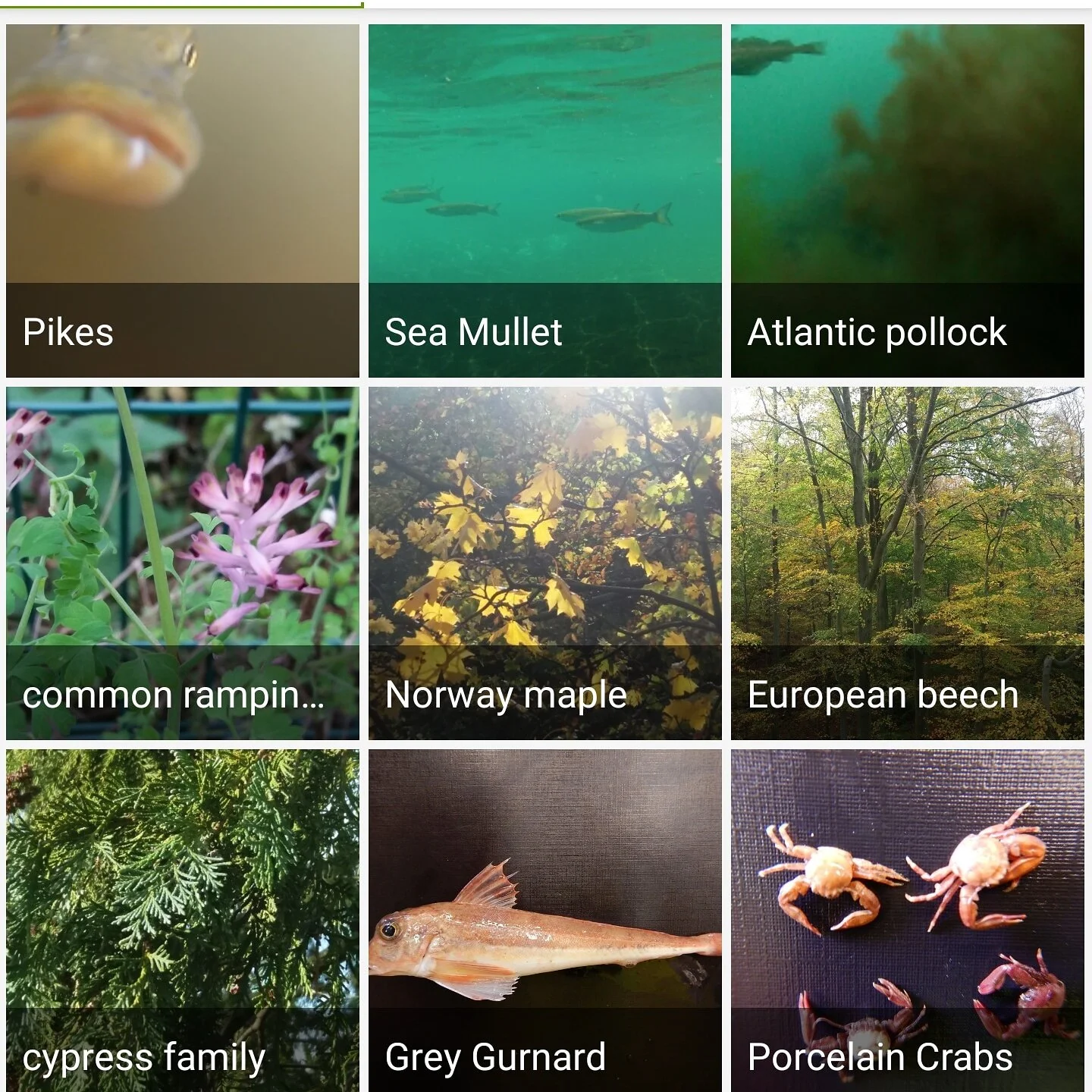
ID your trophy shots straight away
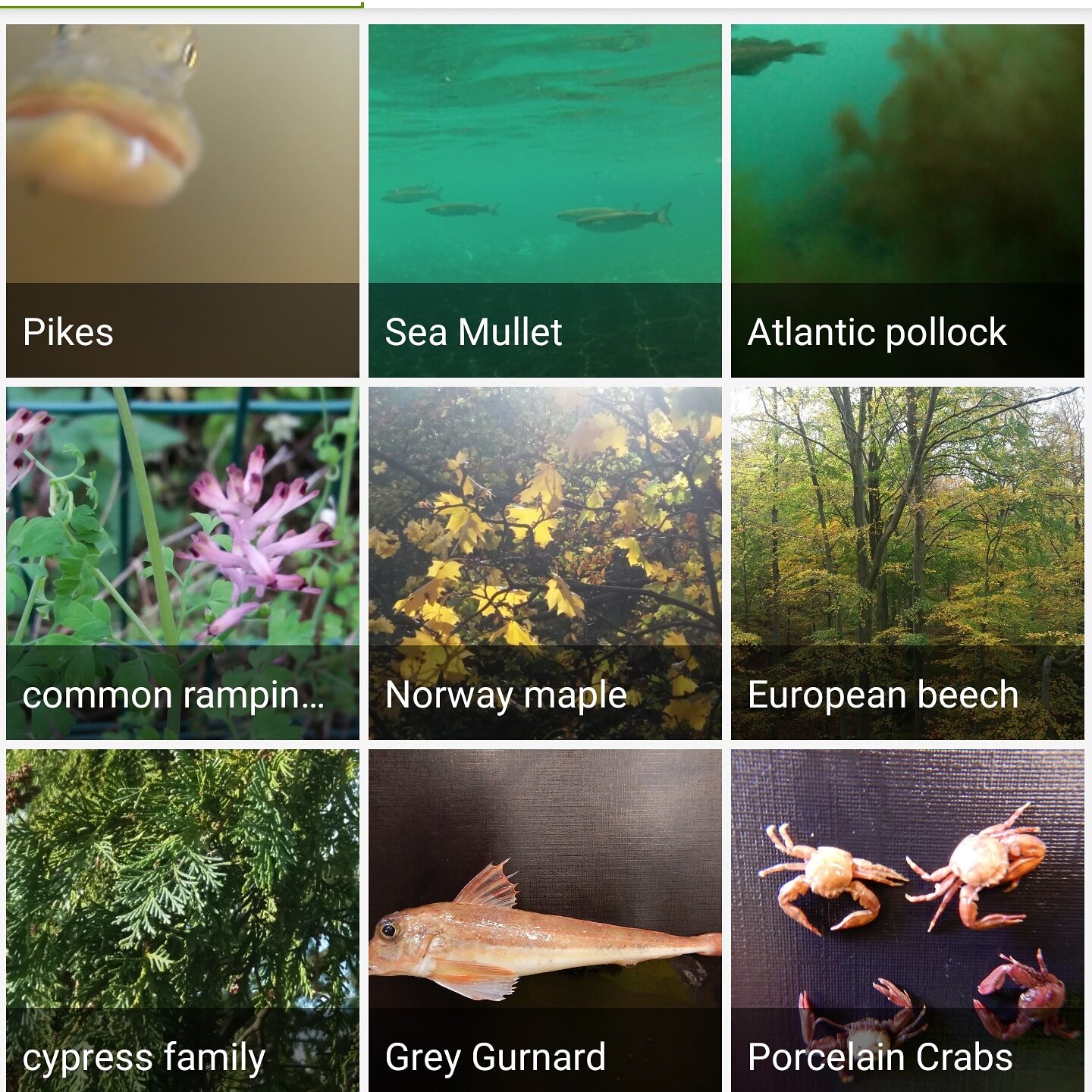
With some great apps like iNaturalist, it is really easy to ID your trophy shot straight away. Well, not that straight yet - it would be really cool if the camera app would link up automatically with the algorithms and database of iNaturalist to allow for instant species identification. I think that could be really something for a new version of an app. I use iNaturalist for any kind of fauna and flora spotting. It works a treat for me!

Celebrate the good times
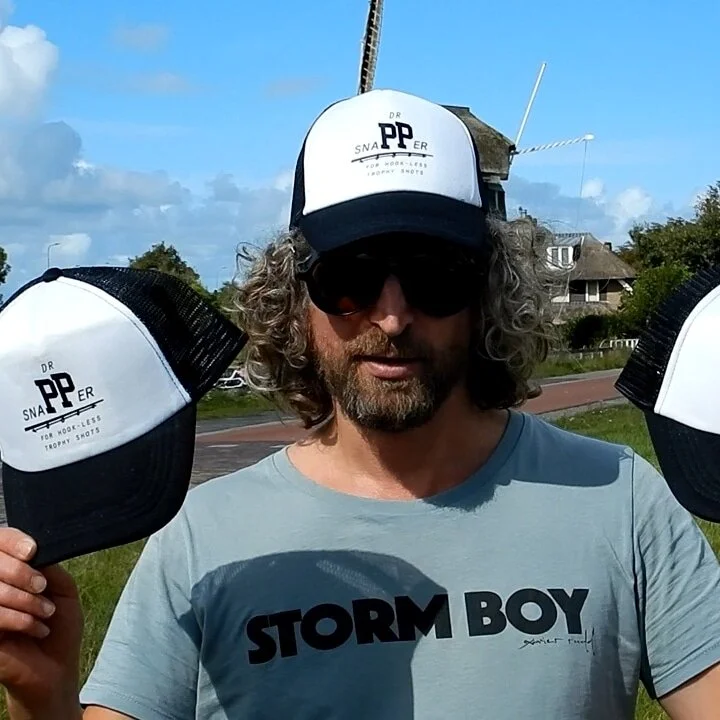
To celebrate and promote drsnapper’s second anniversary, I had some trucker caps printed. Drop us a message to go into the draw to get one! Some birthday stats…..so far, drsnapper has been visited by almost 915 unique clickers, from 36 countries. The top ten are: Belgium (my local), China, Germany, United States, Canada, The Netherlands, Ireland, Australia, New Zealand, and Denmark. Keep it up - I would appreciate if you would let me know what you think of the concept, or whether you have ever tried it yourself:
Capturing hook-less trophy shots???

Catch-and-release best practice guidelines
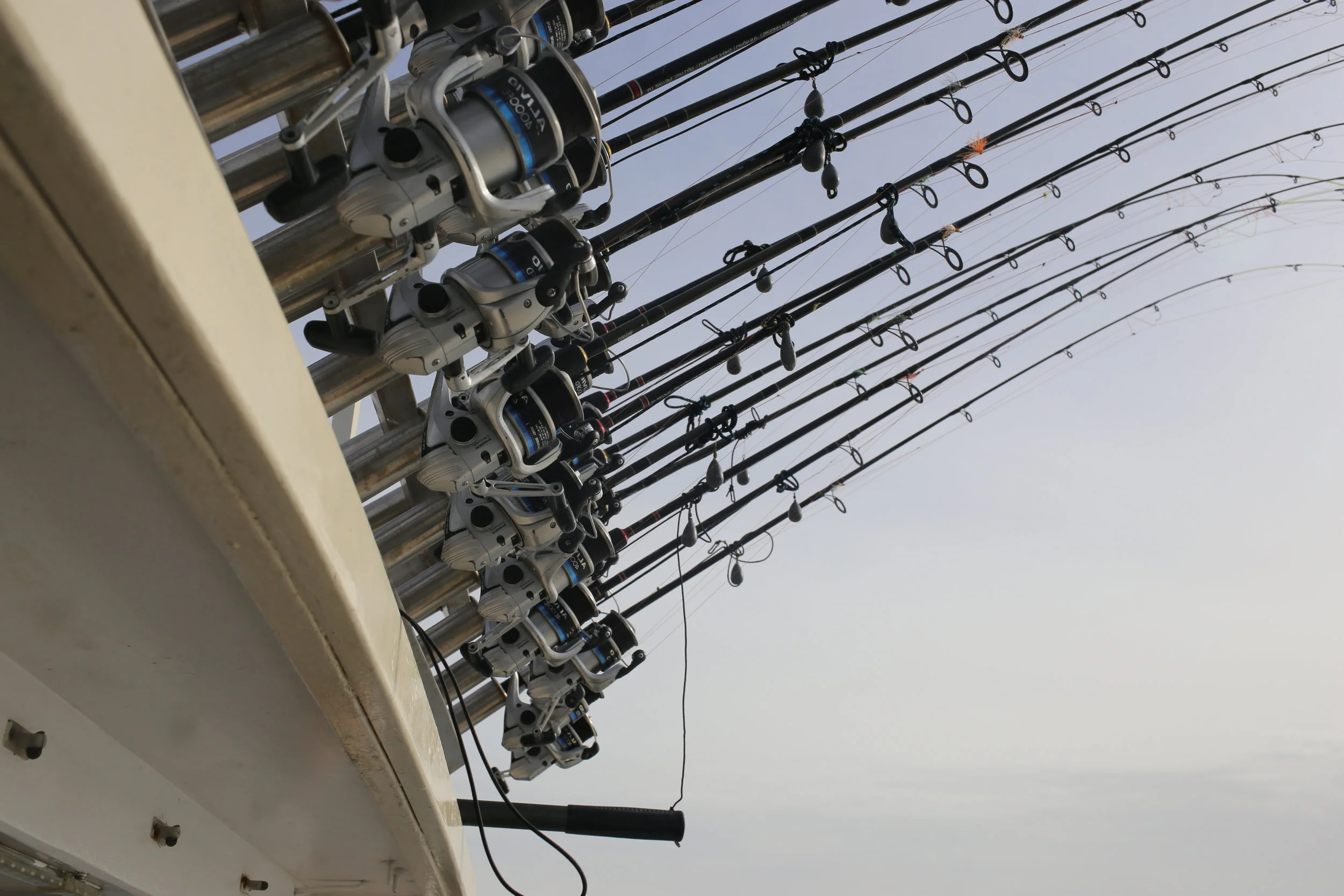
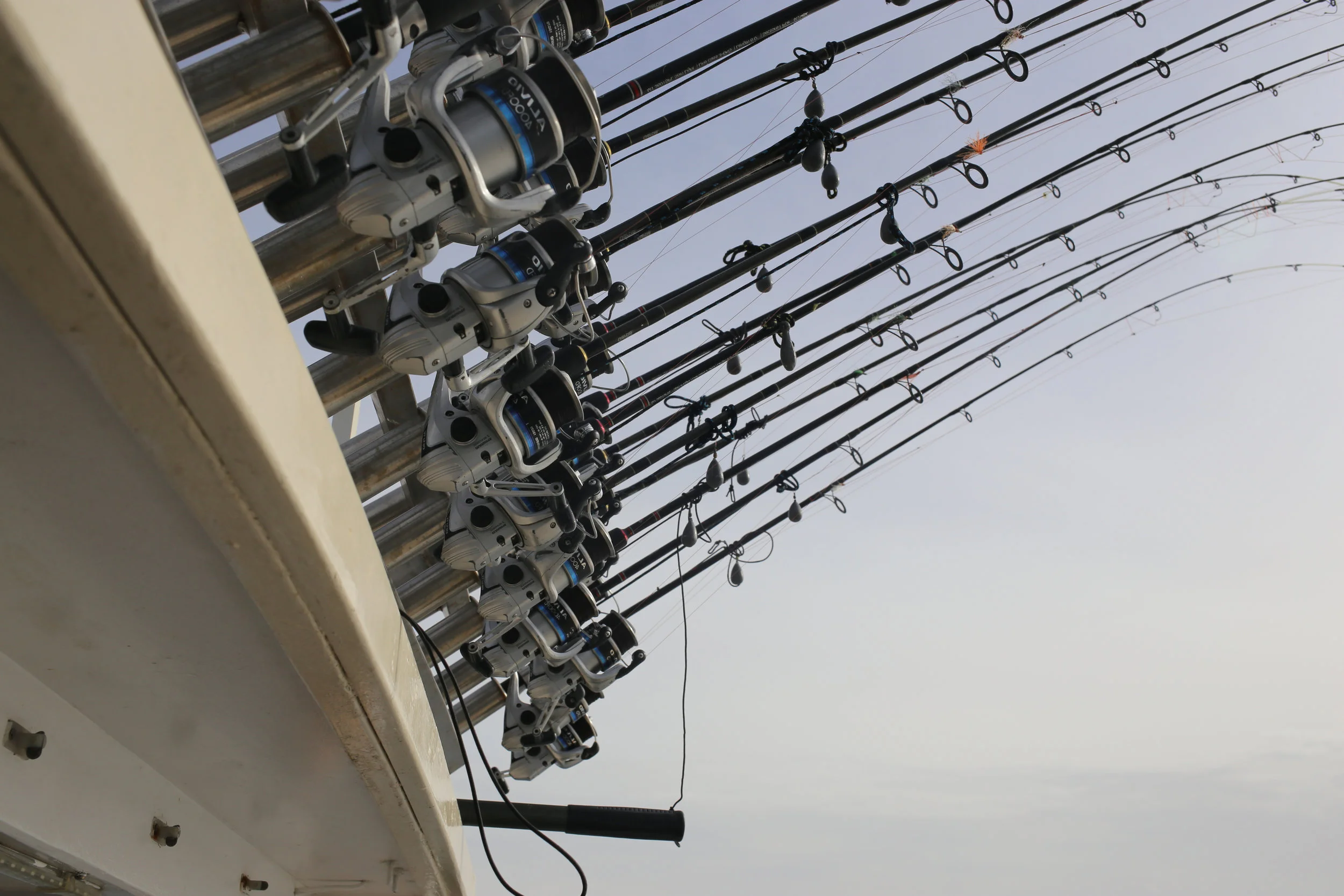
Check out these catch-and-release best practice guidelines from The National Oceanic and Atmosphereic Administration (NOAA). My comment to the "What I can Do?” choices: opt for a camera-trap contraption which are readily available on the market.
About Dr Snapper
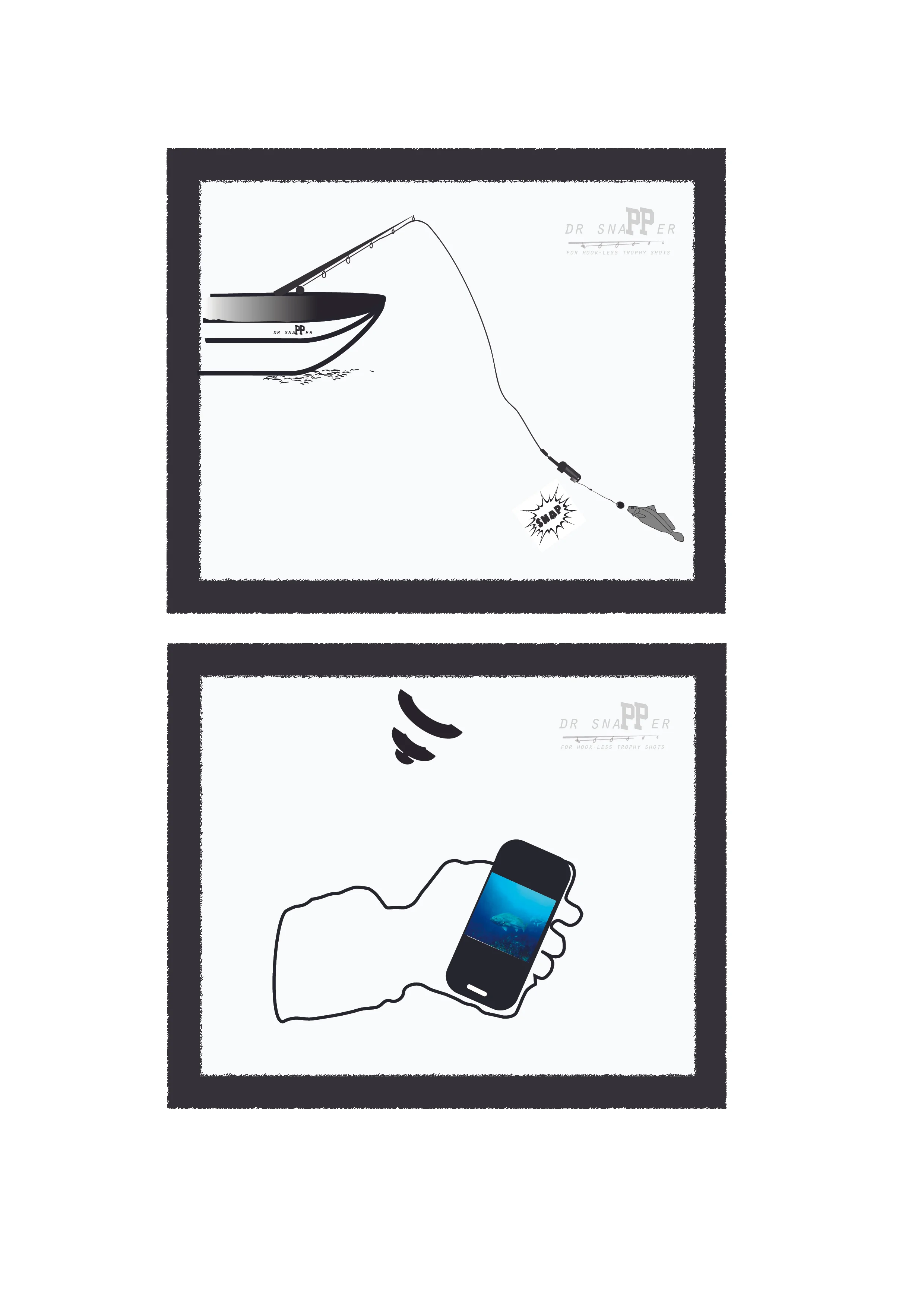
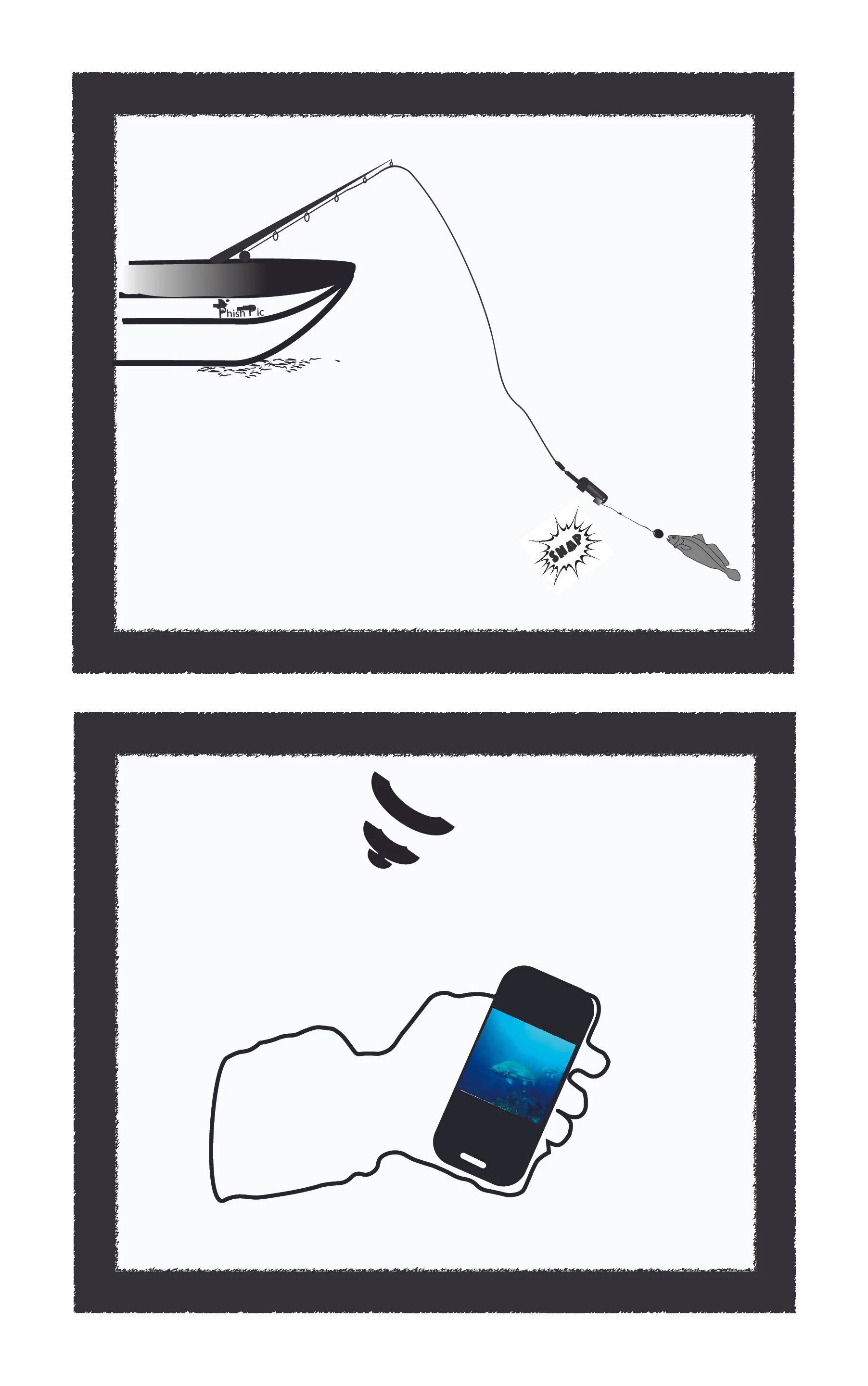
Dr Snapper promotes a new approach to underwater observation, aquatic surveys, or even recreational catch-and-release fishing. It is a very simple idea and there is already technology out there that allows exactly that: the fish itself actively triggers the camera when attacking a hook-less bait. So to speak, the fish snaps a selfie by rigorously pulling on the bait (see top panel, graphic above), which then sets the camera to record a fixed video sequence. In an upcoming post I will talk about the different, possible trigger mechanisms in more detail. Ideally, via an app and automatic wifi transmission when surfaced, all video files can be (re)viewed instantly (see bottom panel, graphic above). Such a way of underwater observation may not only appeal to animal-welfare conscious recreational fishers, or a young gadget-keen generation of outdoor enthusiasts, but also to scientists wanting to non-invasively survey aquatic fauna. In that case: no fish are harmed, but still a great trophy shot!
Arduino for Marine Scientists
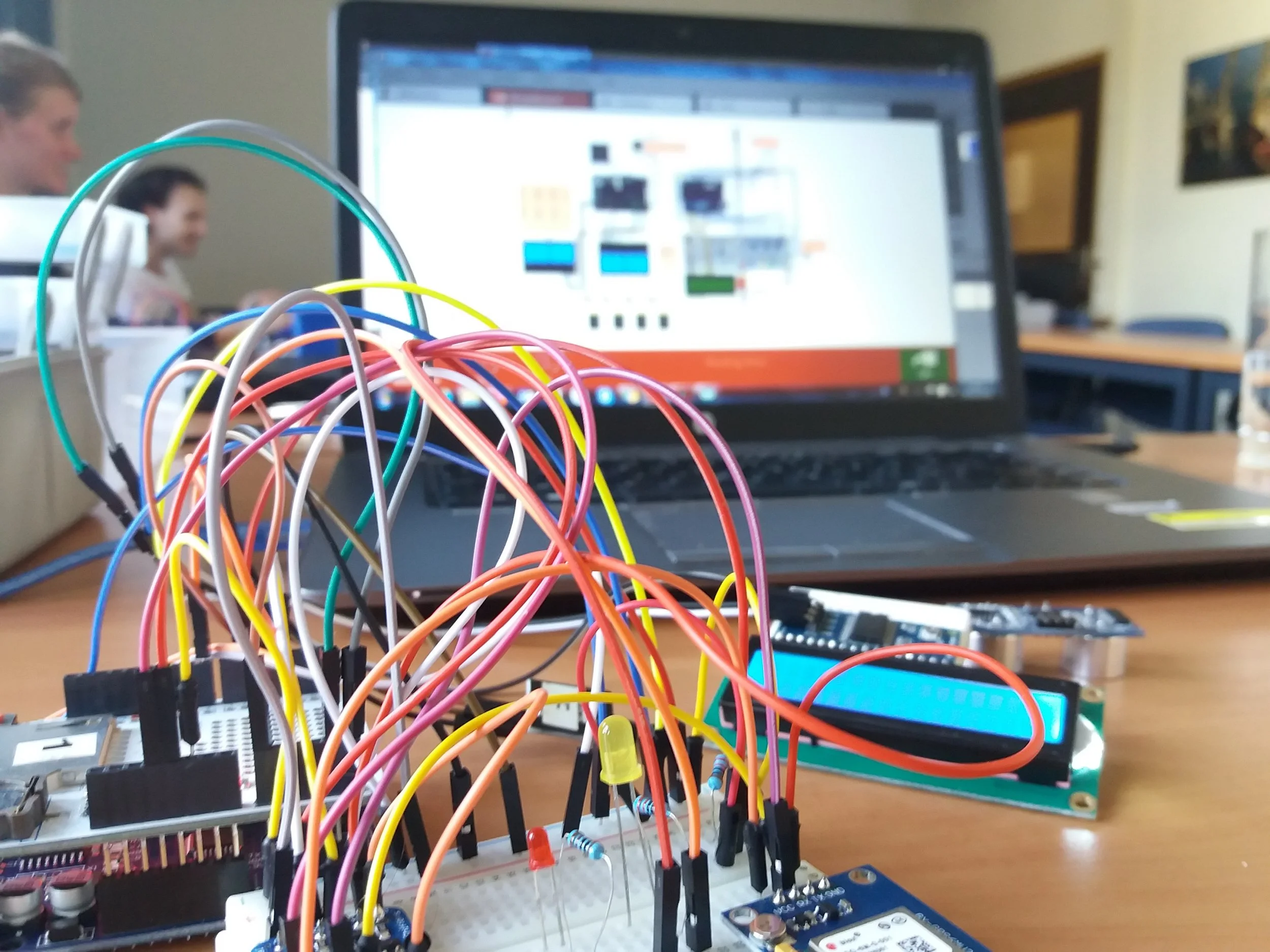
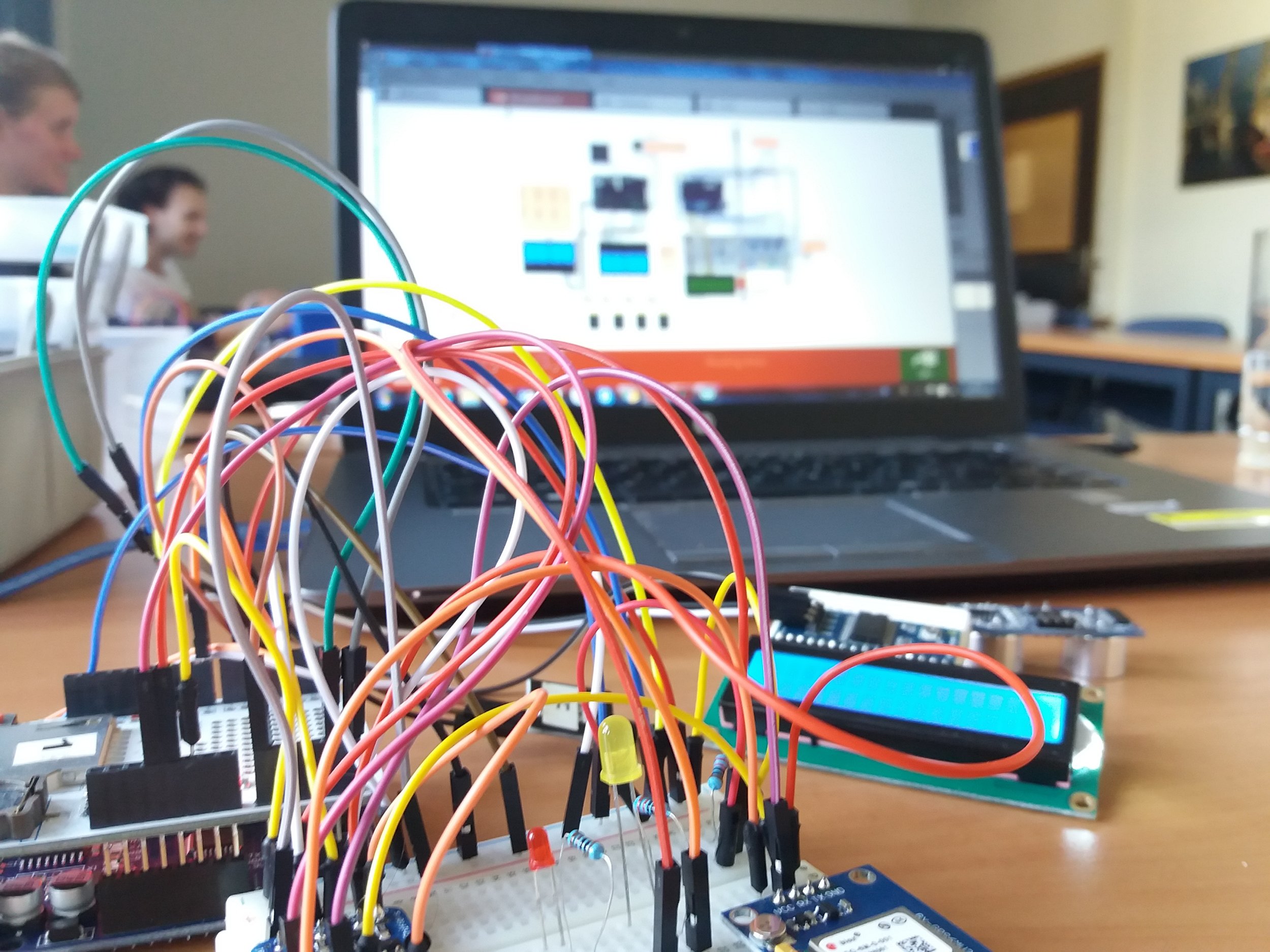
Attended a very interesting hands-on Arduino for Marine Scientists course at the University of Ghent which opened up a whole new box of ideas to play around with, both at work and in me backyard shed.
Shake it, fishy....
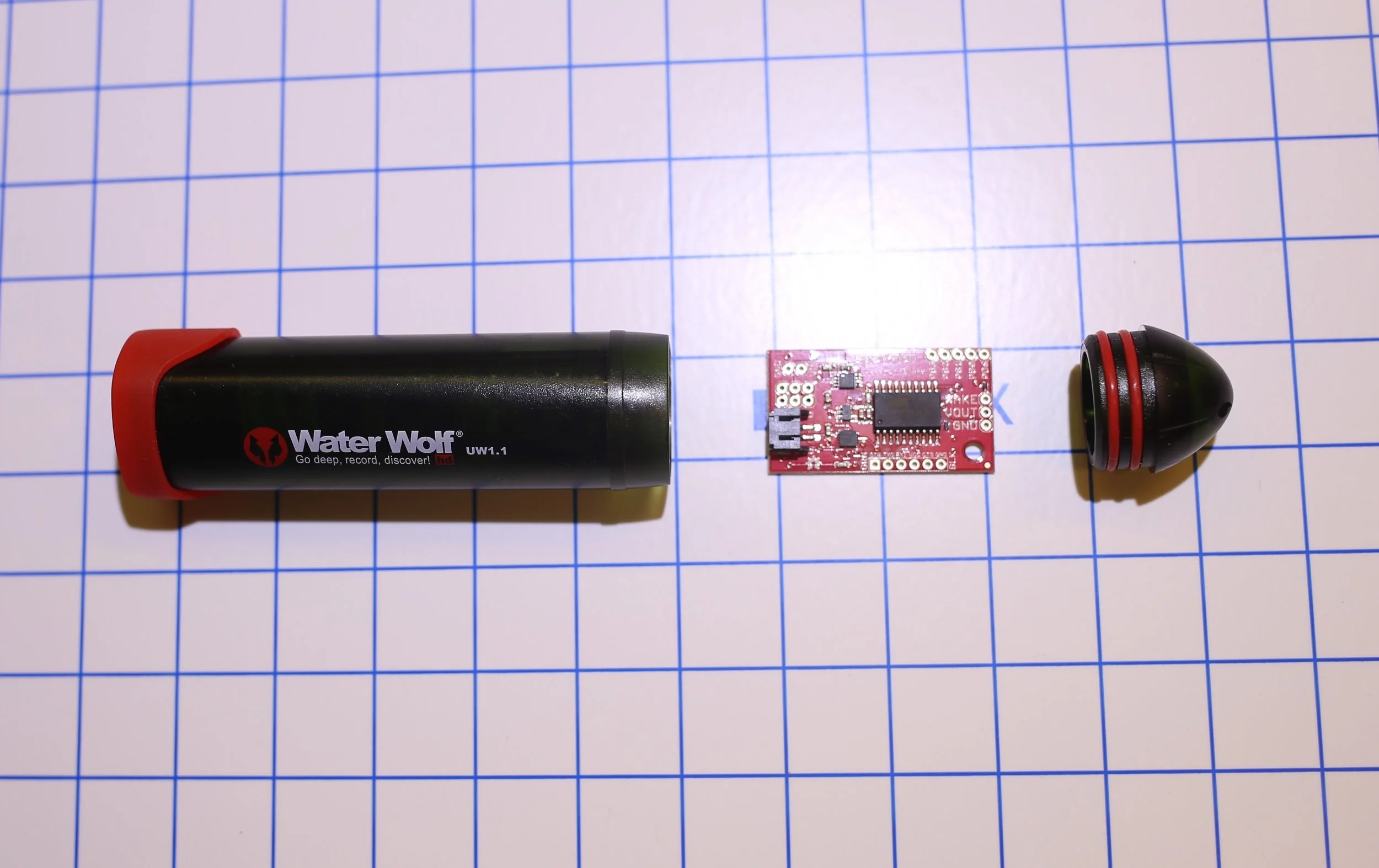
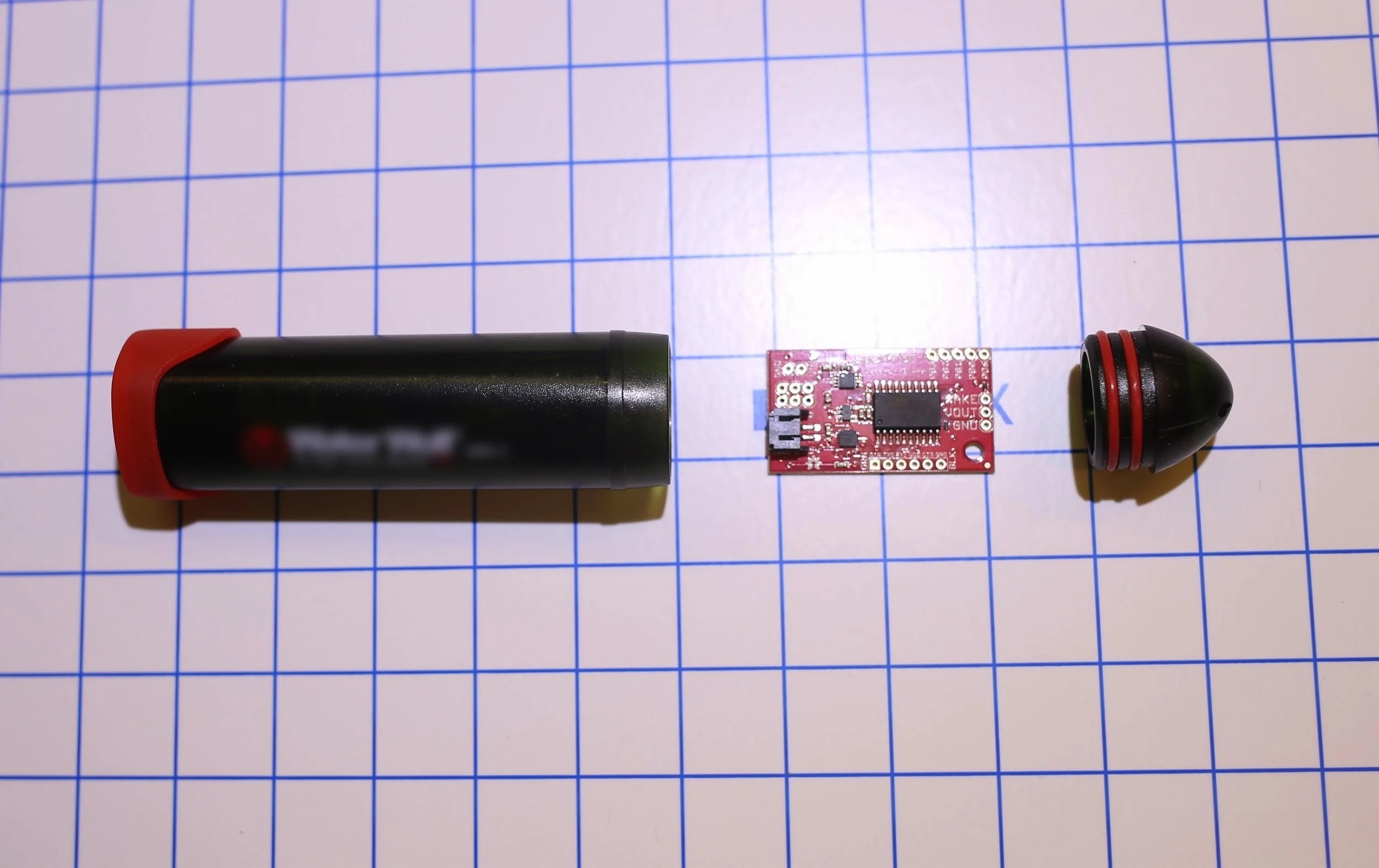
This is going to be my Easter holiday hack: to integrate an accelerometer chip (e.g. Wake on Shake board from SparkFun Electronics) inside the housing of an action cam, to trigger a video when the camera is being accelerated or in other words, ideally as soon as a fish pulls on the hook-less bait, the camera starts recording for a fixed period. CamDo Solutions published a really cool trigger option for a GoPro.....I reckon the same must be possible for an angling type underwater camera. The camera would need a wireless function to transfer files instantly. The tricky part fill be to fit everything into the casing and configure the wake and shake to the desired acceleration speed.
Big Day Out
This was my Big Day Out. I was invited to present my concept idea of an actively triggered underwater camera trap to one of the leading fishing camera manufacturers in Europe. The trip was exciting and a bit of a The Yes Men moment by suggesting that hook-less angling with a camera trap may also tickle an angler's fancy. To cut a fun story short....my own enthusiasm was met with a listening ear, but also some doubts. Understandably, as I learned later on, because there is a camera forthcoming by some competition which offers exactly that functionality that I was proposing!!! Can't wait til that thing hits my doormat.





About Dr Snapper
Dr Snapper promotes a new approach to underwater observation, aquatic surveys, or even recreational catch-and-release fishing. It is a very simple idea and there is already technology out there that allows exactly that: the fish itself actively triggers the camera when attacking a hook-less bait. So to speak, the fish snaps a selfie by rigorously pulling on the bait (see top panel, graphic above), which then sets the camera to record a fixed video sequence. Ideally, via an app and automatic wifi transmission when surfaced, all video files can be (re)viewed instantly (see bottom panel, graphic above). Such a way of underwater observation may not only appeal to animal-welfare conscious recreational fishers, or a young gadget-keen generation of outdoor enthusiasts, but also for scientists wanting to non-invasively survey aquatic fauna. In that case: no fish are harmed, but still a great trophy shot!
The early beginnings...
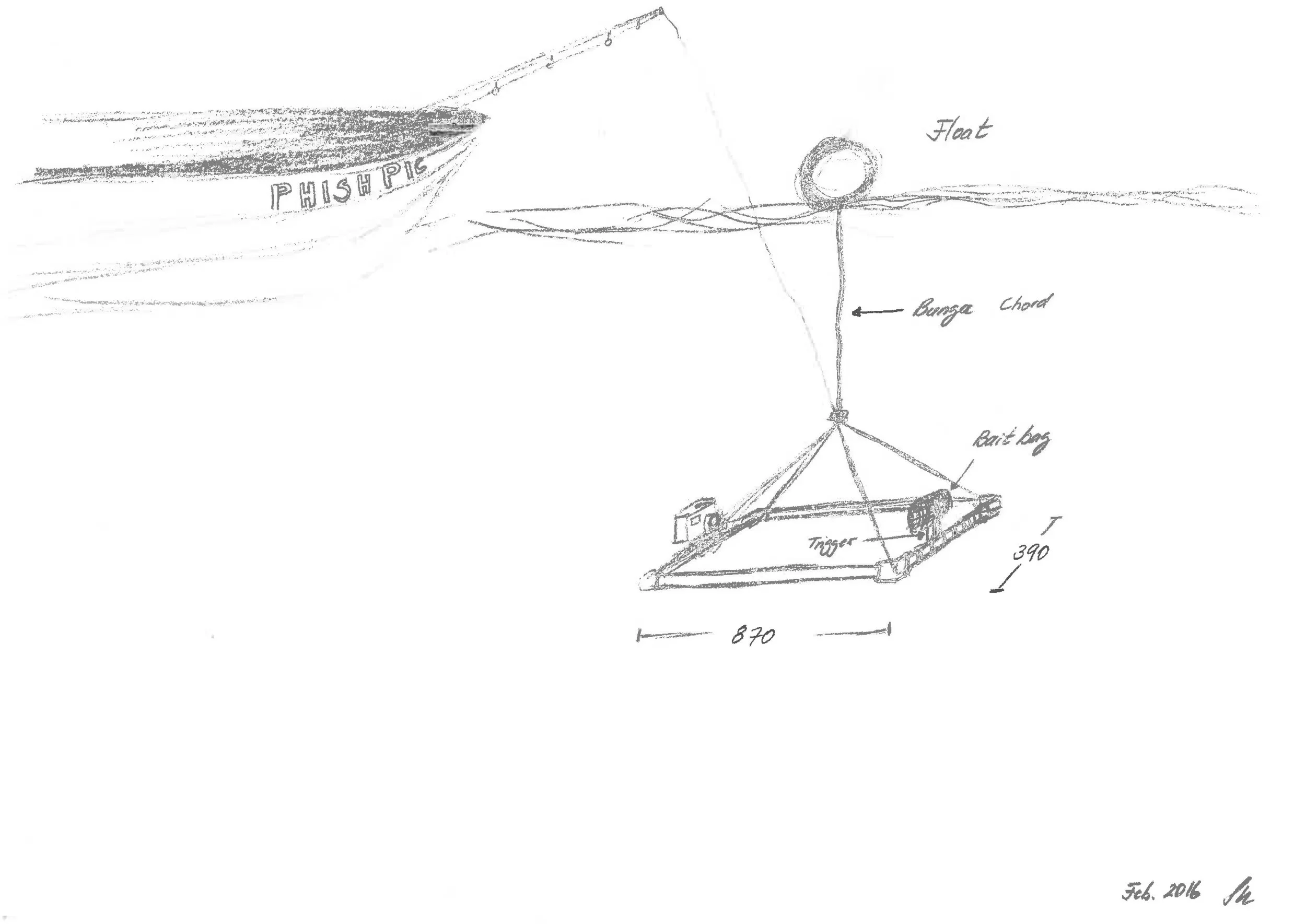
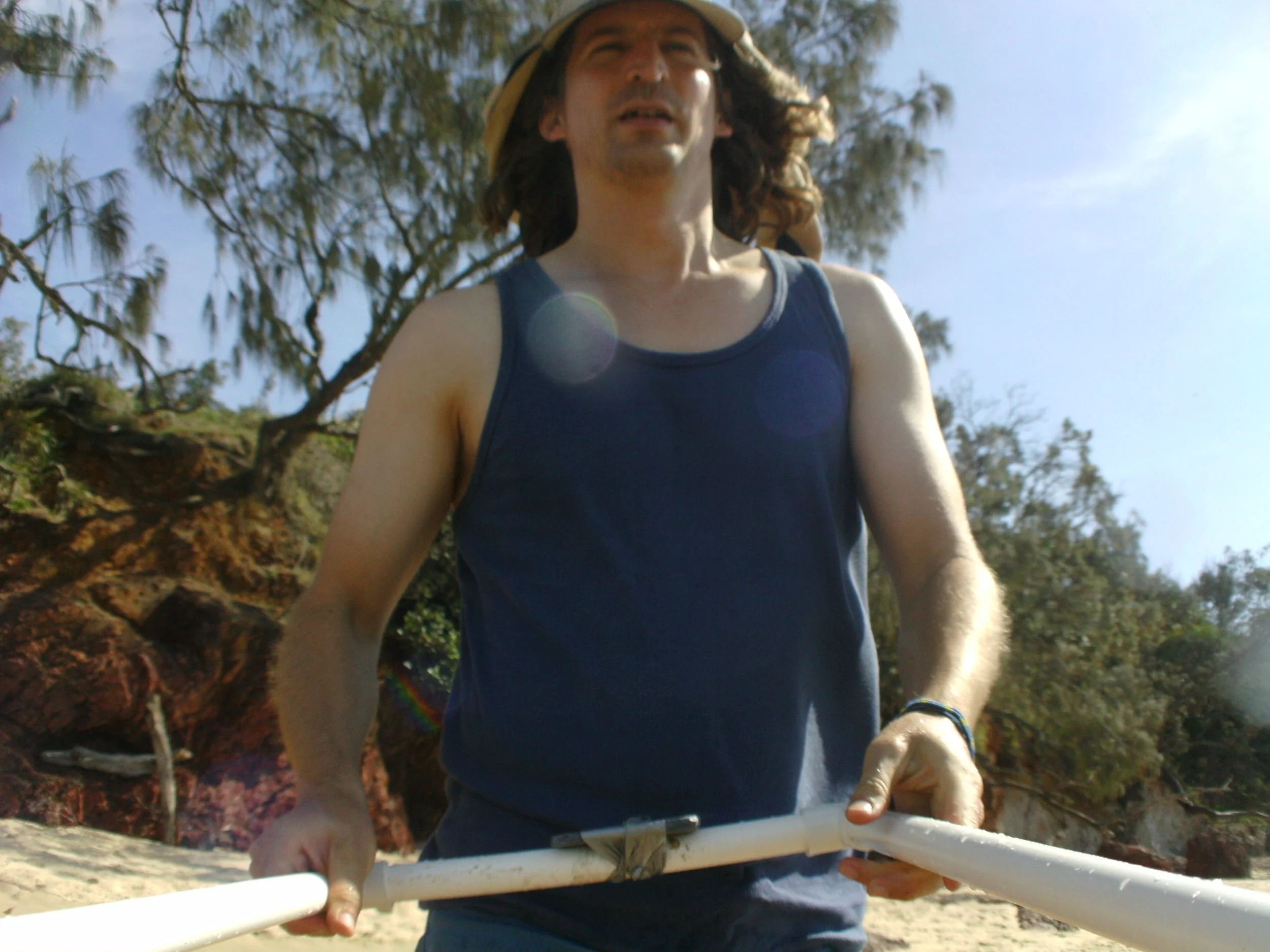
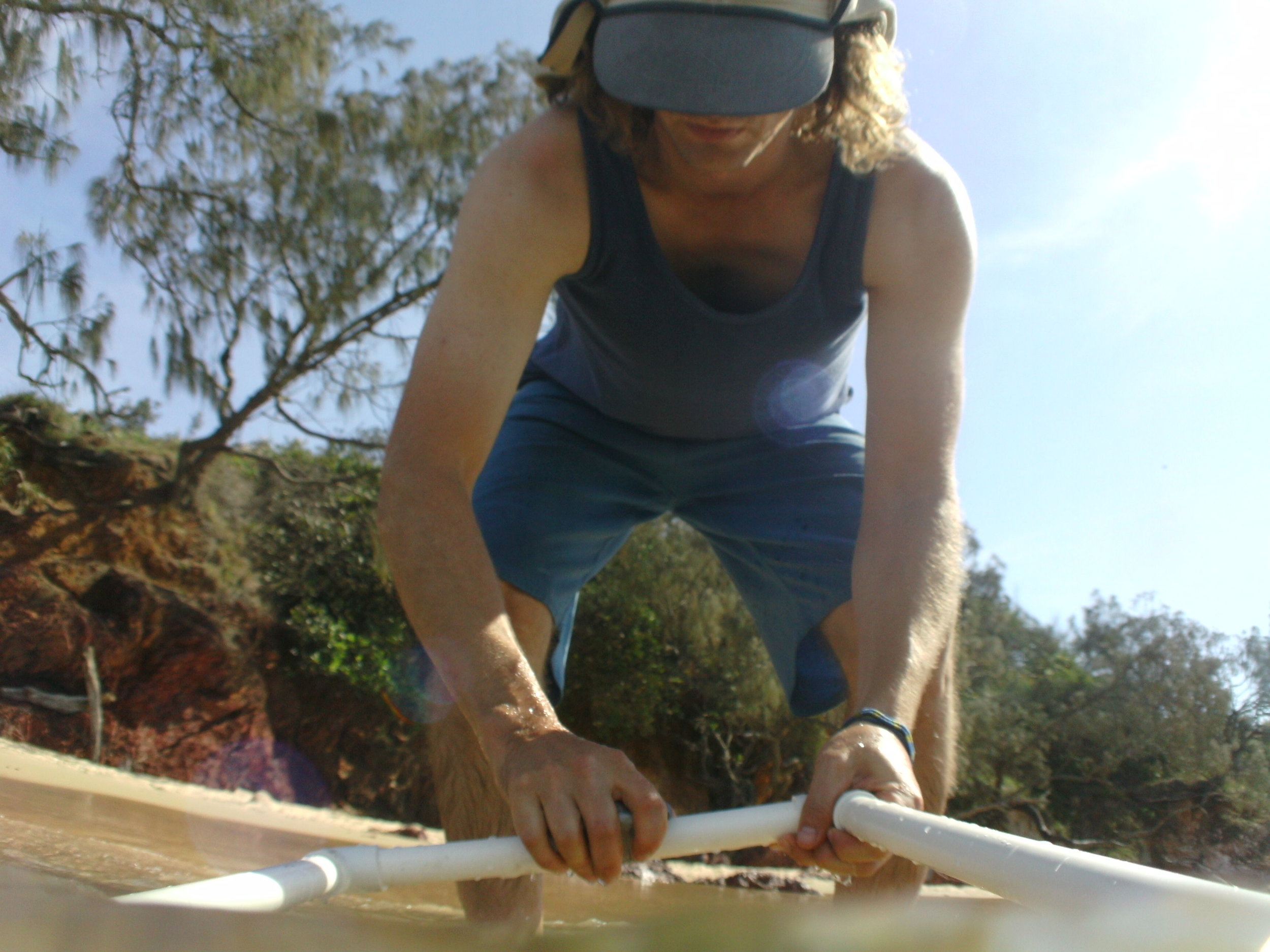
A drawing based on ideas and a very first pre-prototype (named PhishPic) field tested in Arrawarra/Red Rock, NSW in Nov. 2011. Admittedly, the design resembles more a portable baited remote under water video station (BRUV), but in case of PhisPic that can be actively triggered by an approaching organism. The thought to marry this concept with angling appealed as well. Back then, one of the few decent underwater fishing cams was the Aussie towcam (http://towcam.com.au/): a cam for big game trolling. But only allowing continuous video capture - which I considered to be not very user friendly and convenient.
Since then, a lot has happened, and while a number of fishing cams are now out there on the consumer market, only one of them (as far as I know) offers an active, camera-trap like trigger mechanism which is comparable to Dr Snapper's working prototype (keep an eye out on the next posts) or Dr Snapper's other concept ideas (also still to come, watch this space).
Back then, in 2011, when playing around with the PhishPic pre-prototype, I am dead sure I cleaned that blimmin o-ring of the SeaLife Mini-II camera, but that thing kissed me goodbye after its first underwater touch. First, the pics went red, then it was dead. Farewell, bubble, bubble....