Chasing one of the most elusive fish ever in India
What are the top freshwater fighting fish of the world? If you google that it suggested: “Top freshwater fighting fish for anglers, based on strength and intensity, include Smallmouth Bass, Mahseer, Giant Snakehead, Alligator Gar, and Blue Catfish. These species are renowned for their powerful, often acrobat-filled battles.”
What are the top freshwater fighting fish of the world? If you google that it suggested: “Top freshwater fighting fish for anglers, based on strength and intensity, include Smallmouth Bass, Mahseer, Giant Snakehead, Alligator Gar, and Blue Catfish. These species are renowned for their powerful, often acrobat-filled battles.” This is not an ad by Adobe, but for real. So when I had the chance to travel to India last year, I got hooked on the idea to capture the Golden Mahseer in front of my lens. My wife and I travelled there to attend a yoga teacher training in Rishikesh. As with most of my travels, I like to combine it with a drsnapper angling moment. I bought a travel rod, got all excited from watching some youtube clips (see below) and contacted Wild & Exotic - a specialist travel agency in the UK for adventure (angling) trips to ask where would be my best chances. I got lucky right in front of our Ashram. So if I was not one before by now I turned literally into a yogic angler. There is no better place than the Ganga river for a hookless, animal-friendly fishing experience using an underwater angling camera. Mind you, any other way would mean trouble not just for the fish involved….. Admittedly, draining from the Himalayans (one of the primary springs of the Ganga river is in the Gangotori glacier known as Gaumukh or Gomukh in the Uttarkashi district of Uttarakhand, India, at an elevation of approximately 3,892 meters or 12,769 feet above sea level). So, the fine gacial sediments (so called ‘rock flour’) makes for the typical milky blue-grey stained waters. Not the best visibility unfortunately and the Mahseer also were incredibly fast in swallowing the bait doughs that kids sell by the shoreline. I had to slow down the video (captured with a waterwolf attached to a selfie stick) to be able to freeze some frames. The species was identified by a local freshwater fish expert as Golden Mahseer (Tor putitora). Catch in Peace my friends. Namaste
Dr Snapper is back online
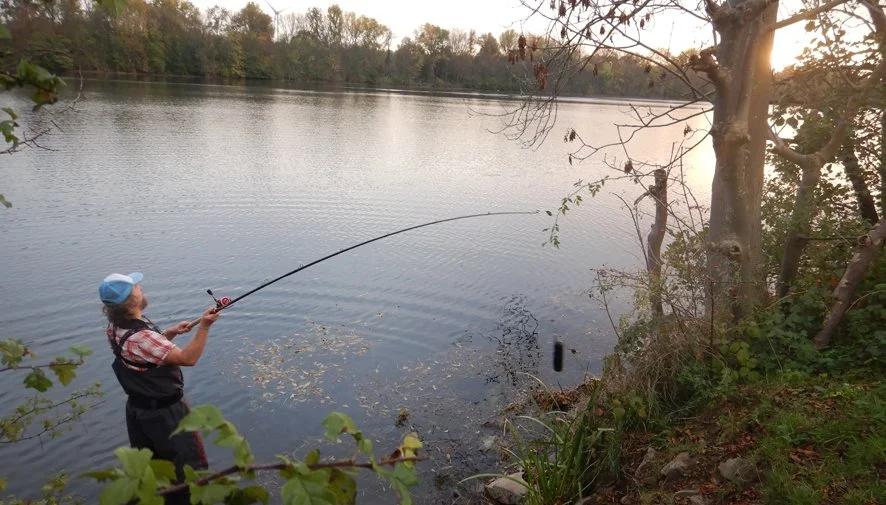
Over the past couple of months I managed to dance at a few weddings and shake the fishing rod during some trips to India, Indonesia, and throughout some places in Europe. So watch this space for more updates.
Drsnapper takes a break
Hi Chaps, thanks for tuning in. This site takes a rest for a while, because I am working on something exciting. See you back soon hopefully.
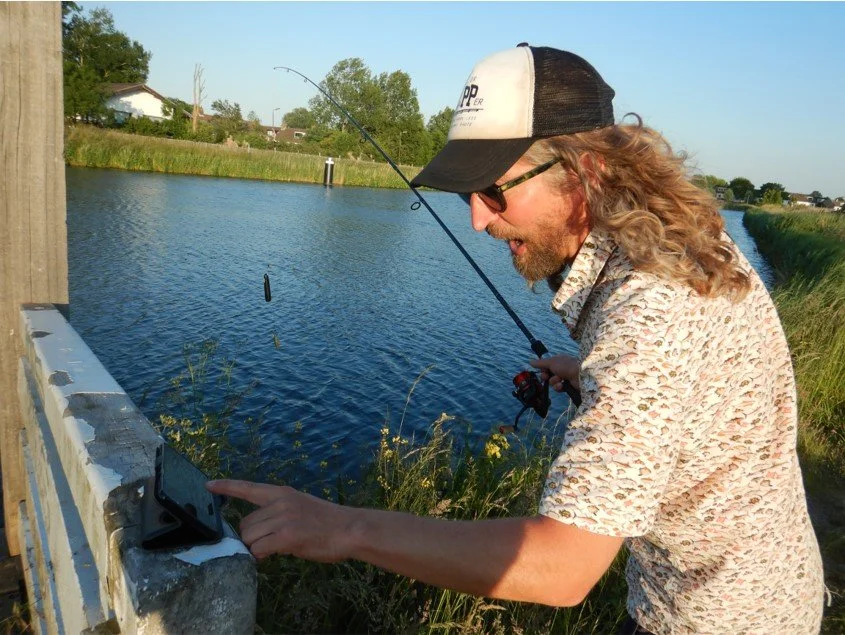
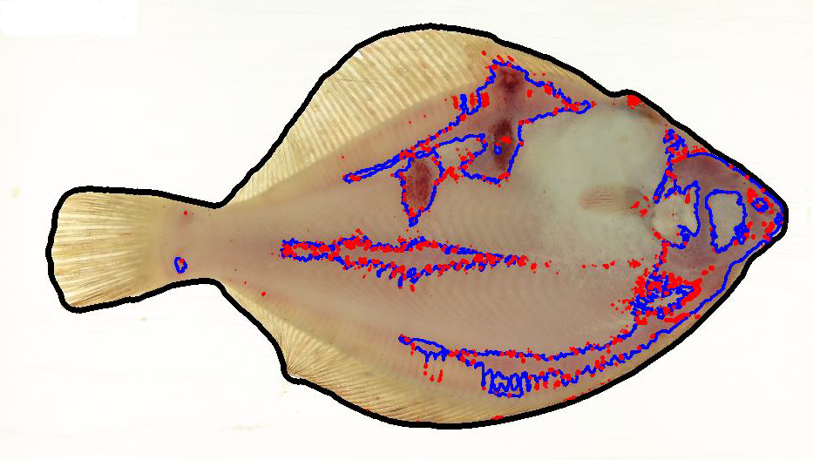
Automated image detection
There are ample initiatives worldwide to train up computer models to identify species, measure size, detect beahviours, or injury from underwater images. With applications both in recreational as well as commercial fisheries. Recently, at the CatchID symposium in Norway some interesting works were featured. A global pioneer on this front is also a research team from Griffith University in Australia. Prof Connolly recently gave a presentation of his work to a global group of researcher interested in AI-based fisheries applications.
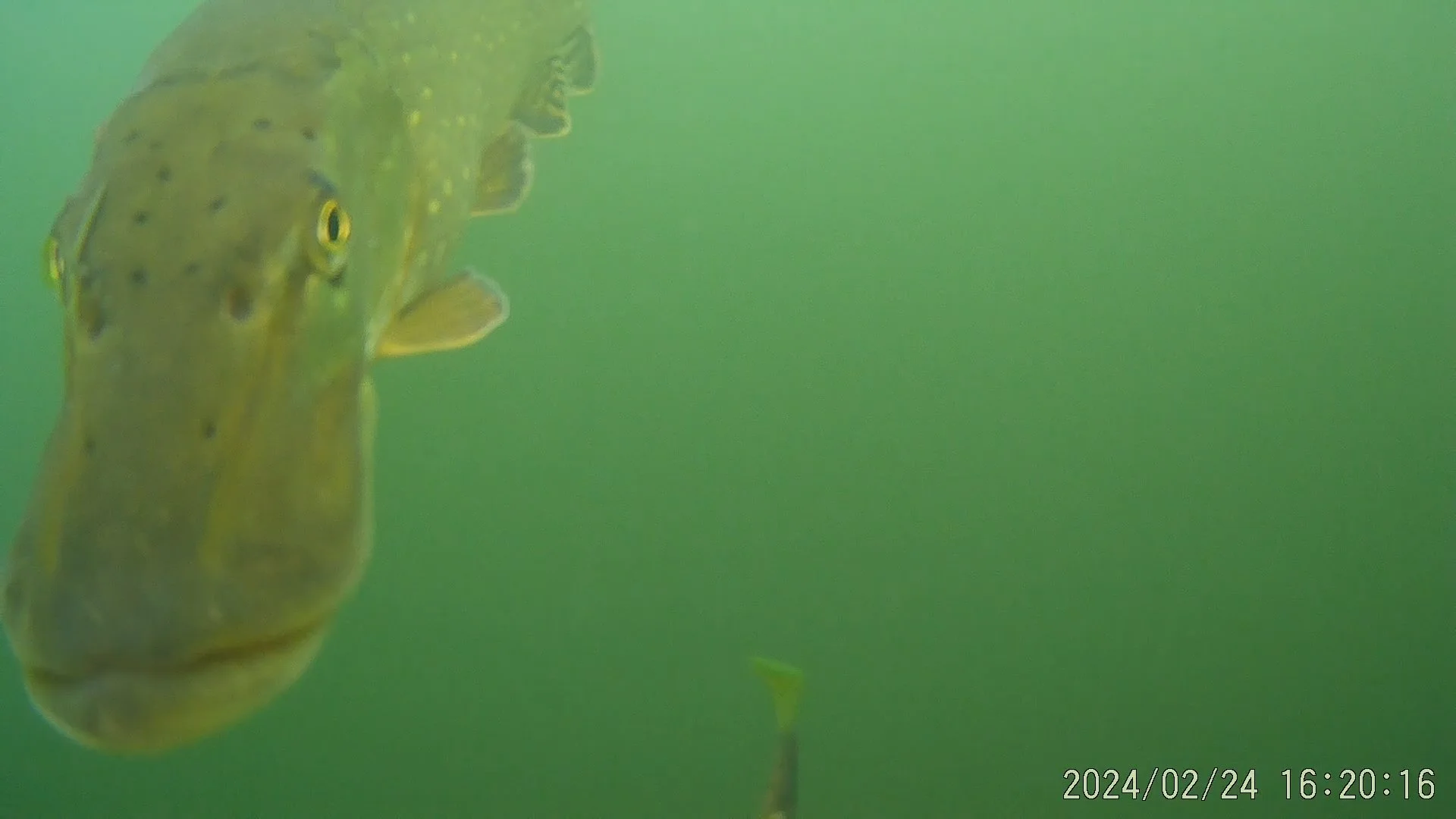
The 7th sense of pike - why they like cameras sometimes more than your bait?
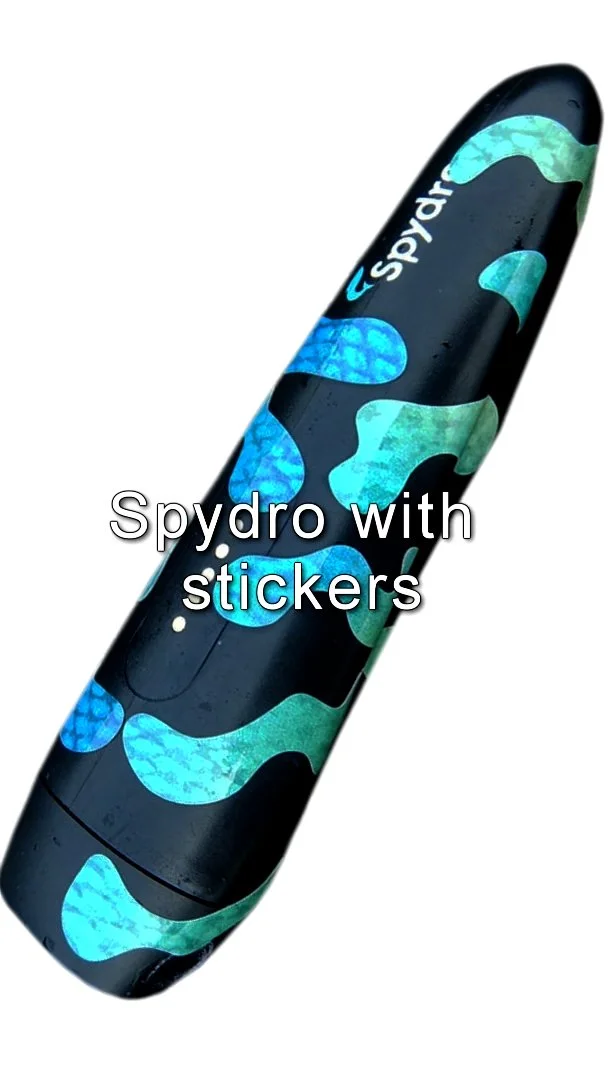
There are ample videos out there that show how predatory fish, especially pike, love the odd chomping on an underwater camera. How come? Why bother then about intricate designs and mimicry of natural swimming behaviours and shapes of the artificial lures, if they fall for the no frills outlines of the underwater camera casings? See below for some close up and inside views of their gill frames, some discussions about the power of vision and smell for a pike (some videos are in German). Bottom line is that pike are strong visual hunters - and one of the first things that comes into their field of view when spinning or trolling is the camera (when the fish sit in between). The blinking light of some cameras may actually not have a deterrent but attractant effect (obviously this is pure specualtion, because no one has tested this rigourously). Ideally, your bait choice, depending on the situation, can play in on visual cues, taste buds, and tactile senses. In this video a bait from icapio was used which combines stimuli for all of them. The cam was dressed with a fish-skin look alike snack attack sticker. It did work a treat and you can see the repeated interest of the pike in the camera on consecutive casts. Enjoy.
Cool youtube clips
Last year I was very fortunate to collaborate with Underwater Ireland who very successfully tested the snack attack bait camera stickers. There are many other amazing videos on this channel, and learning first hand about some props and tricks of the trade was like a backstage visit to your favourite artist’s afterparty.
(c) Underwater Ireland
(c) Undewater Ireland
Sharing is caring: which are your top apps for underwater trophy shots?
If you also enjoy a growing selection of underwater trophy shots, you can become a true blue heart and upload your touchstone pictures to your favourite biodiversity-logging app. I have listed a few that I am familiar with, such as iNaturalist, ObsIdentify, and Redmap. ReefLifeSurvey I still need to check out. What is your fav app? I know sometimes the real trophy hunters are scared to burn the location when they caught something special. But, the geo-tag is a critical piece of information to link a species’ occurrence to its habitat. Luckily, some apps do not ask for the exact spot and allow for defining a radius around it. That way the secret spot is still secret, but you can make your special observation count and contribute to a knowledge base needed to halt the dwindling number of species extinctions. No need to chain yourself to airport gates and still make your pic count.
-
With 7.2 users and 171 Mio (research-grade) observations it is a real game changer when it comes to turning opportunistic wildlife and flora snaps into valuable observation helping to protect what we love and defines our cosmos.
-
This app helps checking up on the health of coral reef ecosystems around the world. It is a programme that trains citizen scuba divers to survey coral reef biodiversity in the same way around the world so that data can be pooled and observations compared.
-
The Australian Range Extension Database & Mapping project (Redmap) invites divers, fishers and boaters to spot, log and map marine species that are on the move due to warming waters.
-
ObsIdentify is popular in Europe. Of course almost every country in Europe has their network of national naturalist organisations. observation.org is a bit of an umbrella. It was founded in 2004 in Netherlands. It has evolved from a local website into a global biodiversity data hub. Unlike the crowdsourcing species validation system by inaturalist, obsidentify counts on the knowledge and skills of 1,000 species experts to ensure data quality and accuracy of observations.
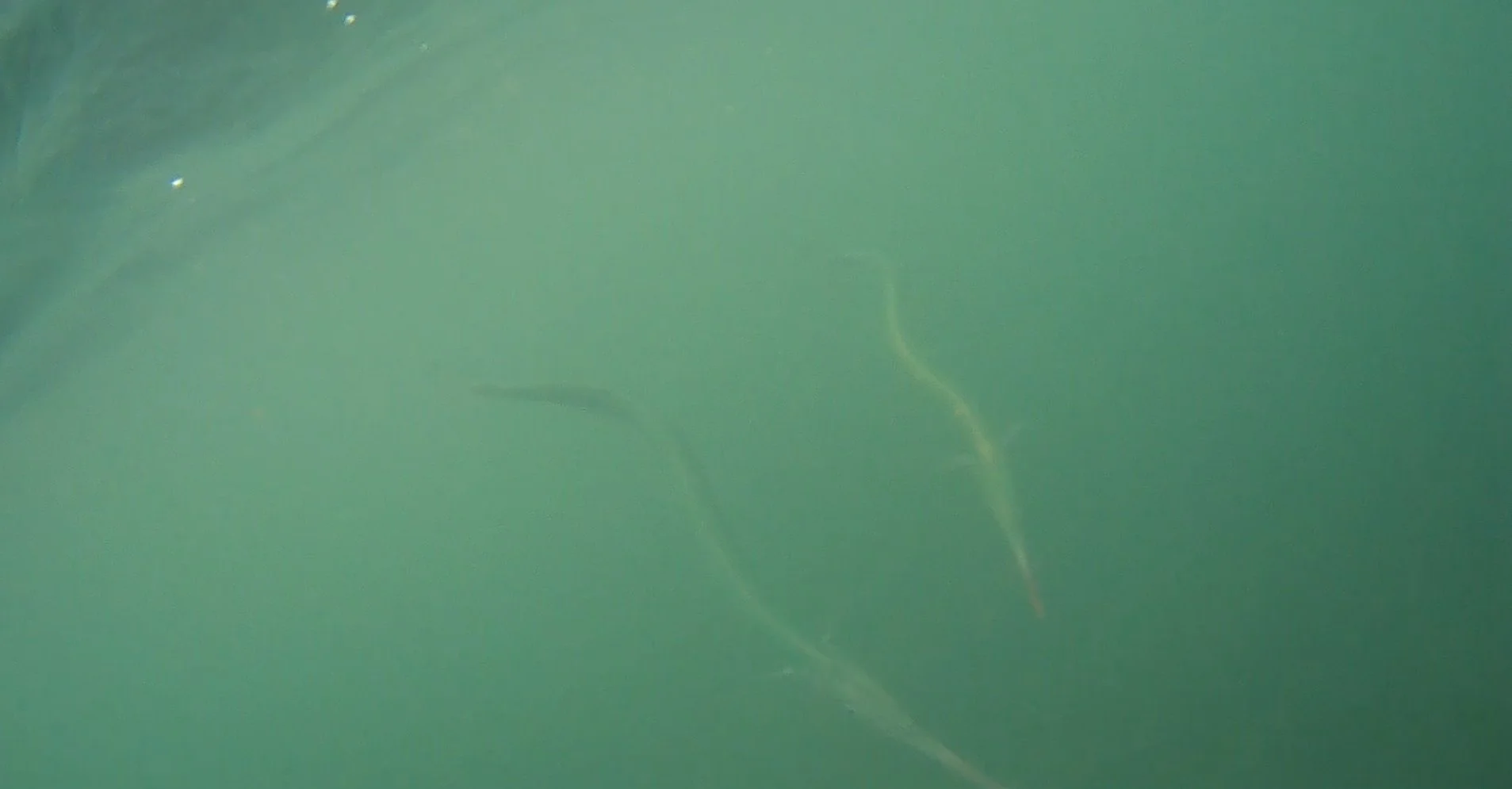
Drone fishing when casting the angling cam.....
A school of garfish is waiting for a colourful bait bomb to drop…..This picture was taken at a shallow coastal reef in Northern Denmark. This particular beach features some submerged boulders that provide refuge for plenty of prey - attractive also for other trophy-sized predators such as seatrout. For garfish it is best to be there in the spring (in May, when the rapeseed is flowering). Late summer also works, then the fish are actually fatter. Important are calm conditions. If there is something that garfish do not like, then it is choppy water with poor visibility. They are visual hunters and need their eyes to seek out prey and forage upon it. Once they lay their eyes on the playful dance of a fast moving blinker, they are literally hooked and are not too bothered by the splash of an underwater angling camera hitting the surface or when a lens is pointing at them during retrieval. They go for anything that moves and provide for a great spectacle, regardless of whether they fished with or without hooks. Enjoy.
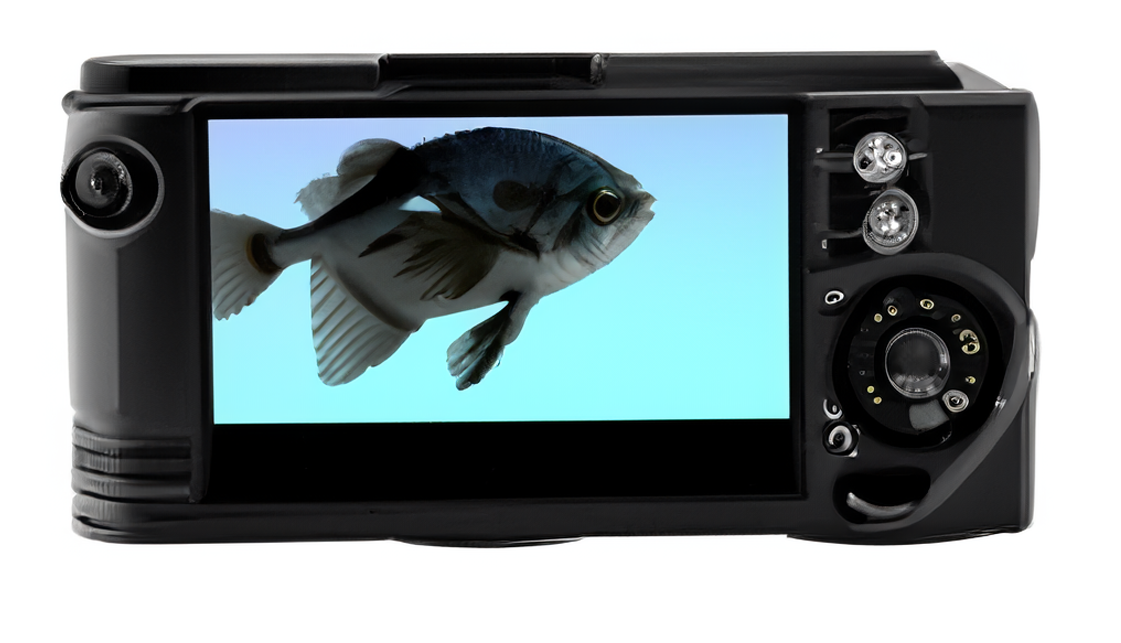
CatchID Symposium in Norway
For all folks interested in fish, cameras and AI, this will be the place to meet and mingle in March this year: 2nd international Symposium on Catch Identification Technologies. En-join in Tromsø, Norway, 19th-20th March 2024.
Picture: AI-generated by Adobe Photoshop
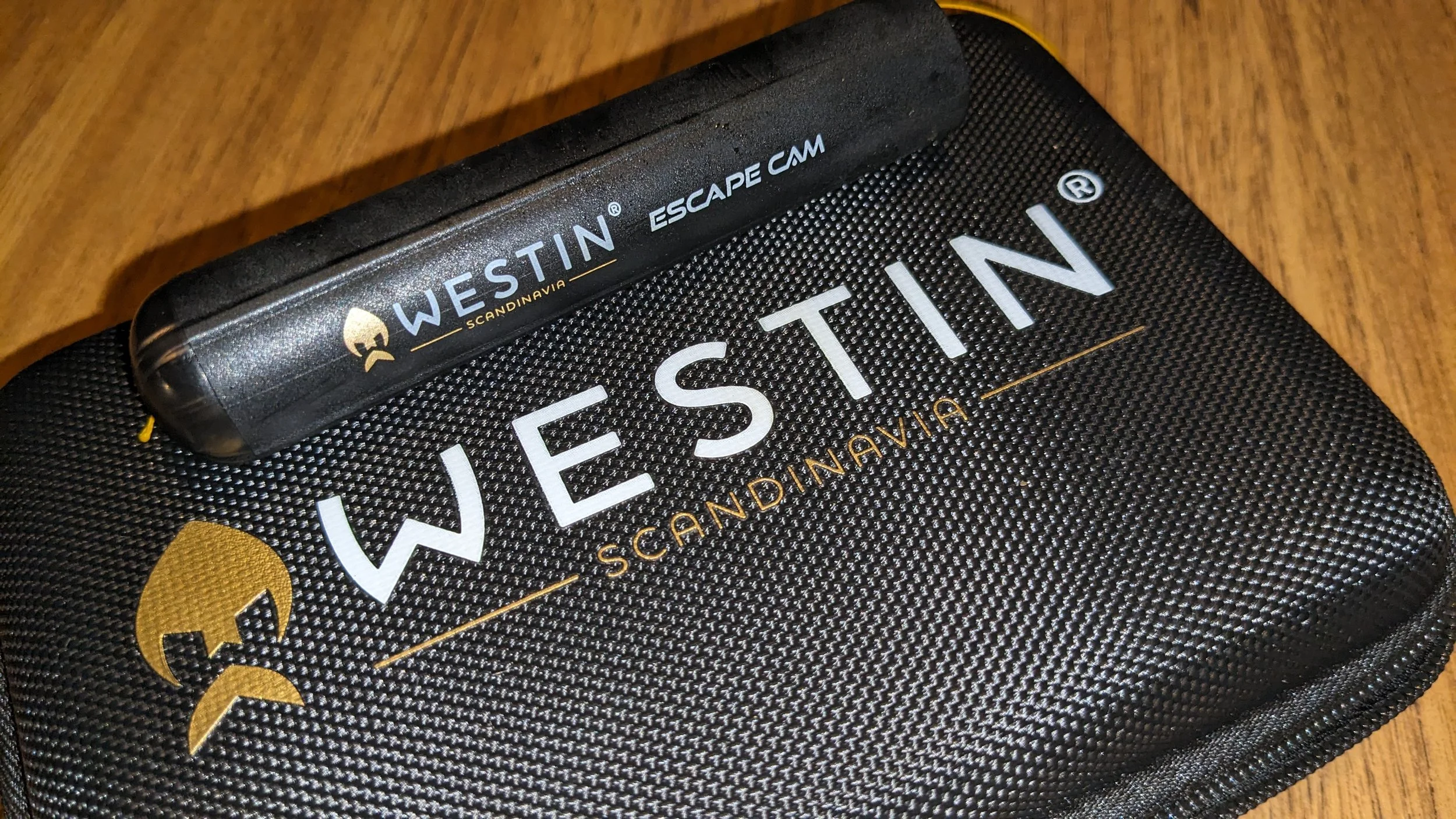
Tools of the trade - Three reasons why the Westin Escape Cam is a good one
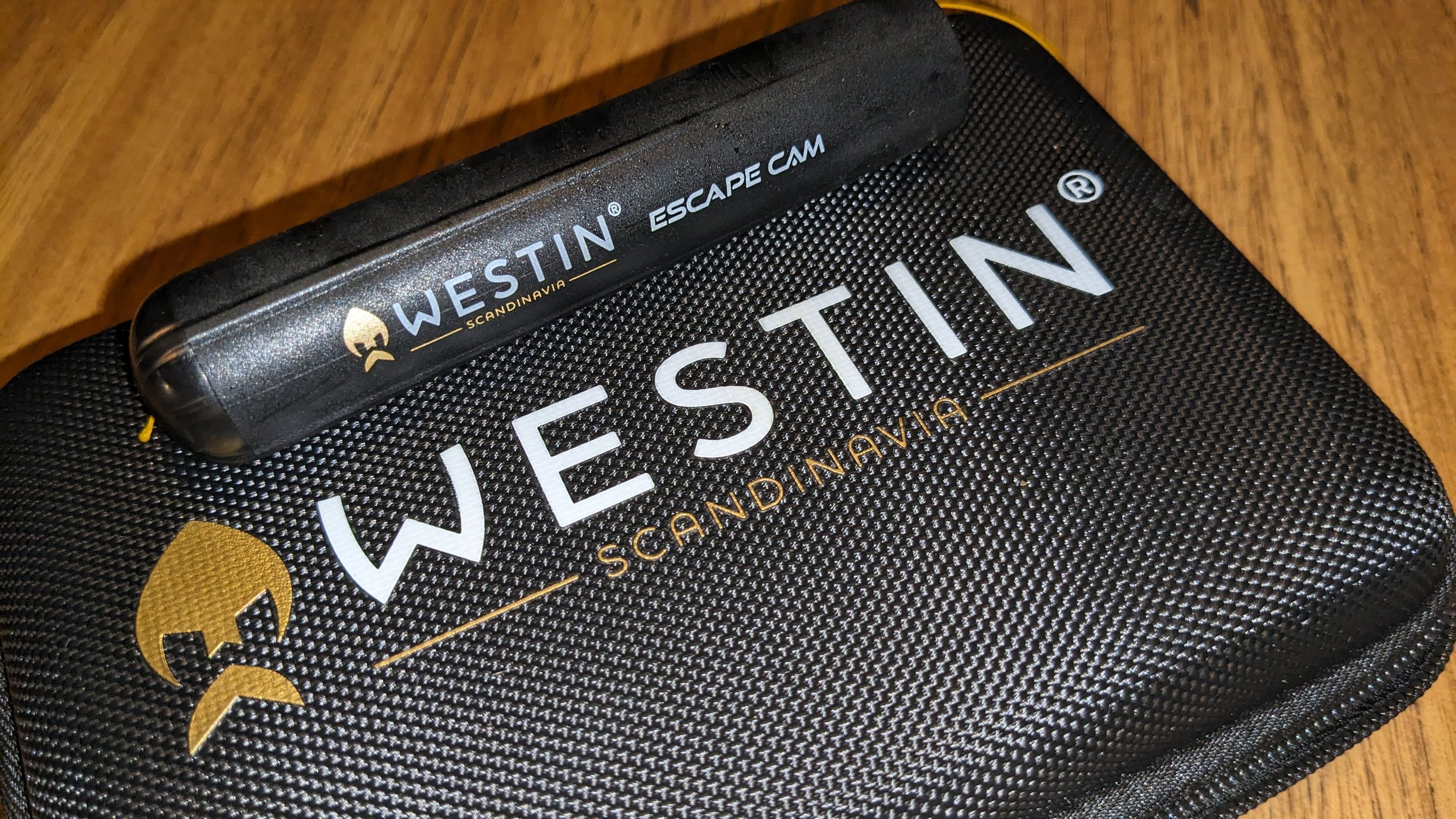
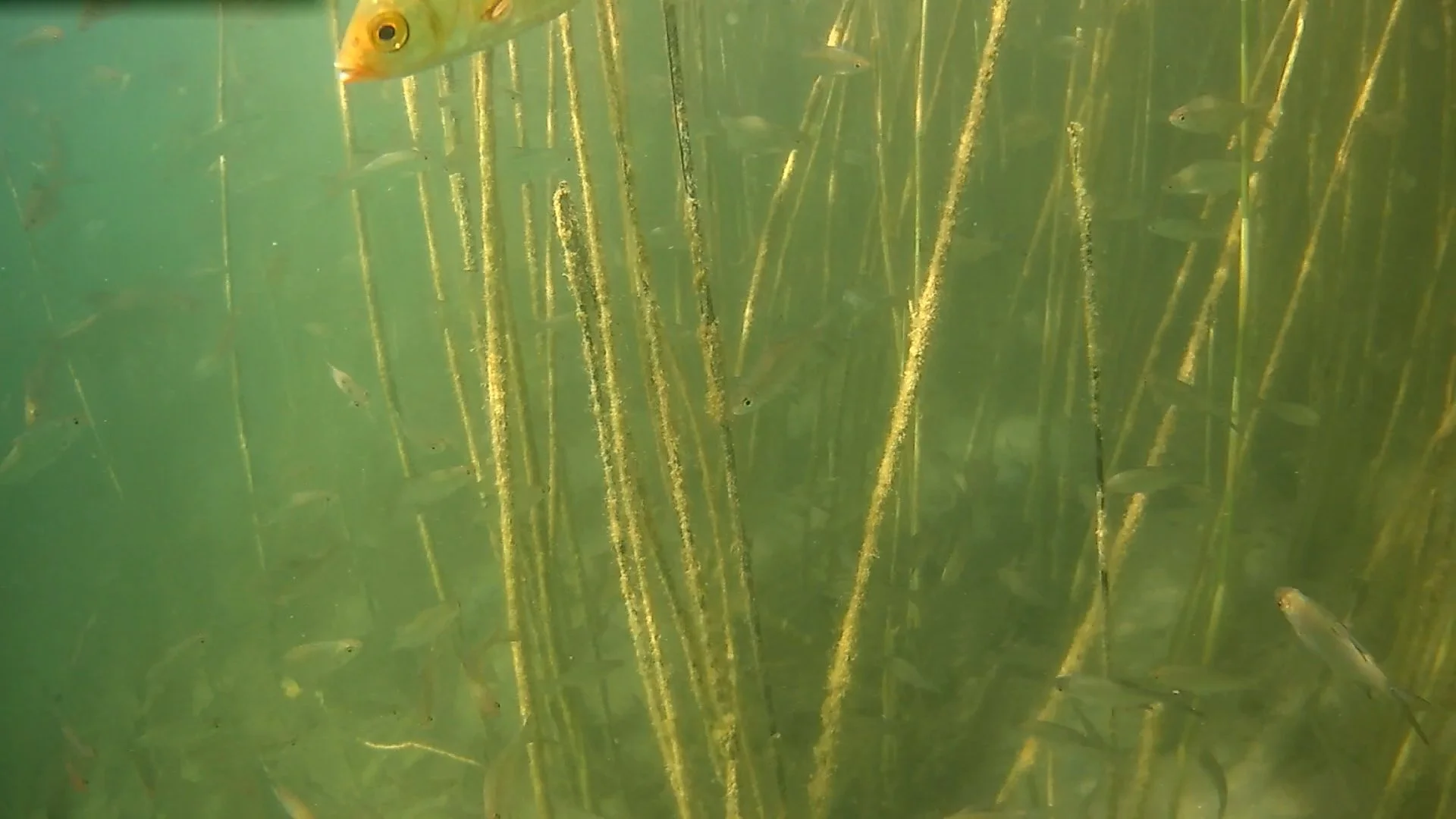
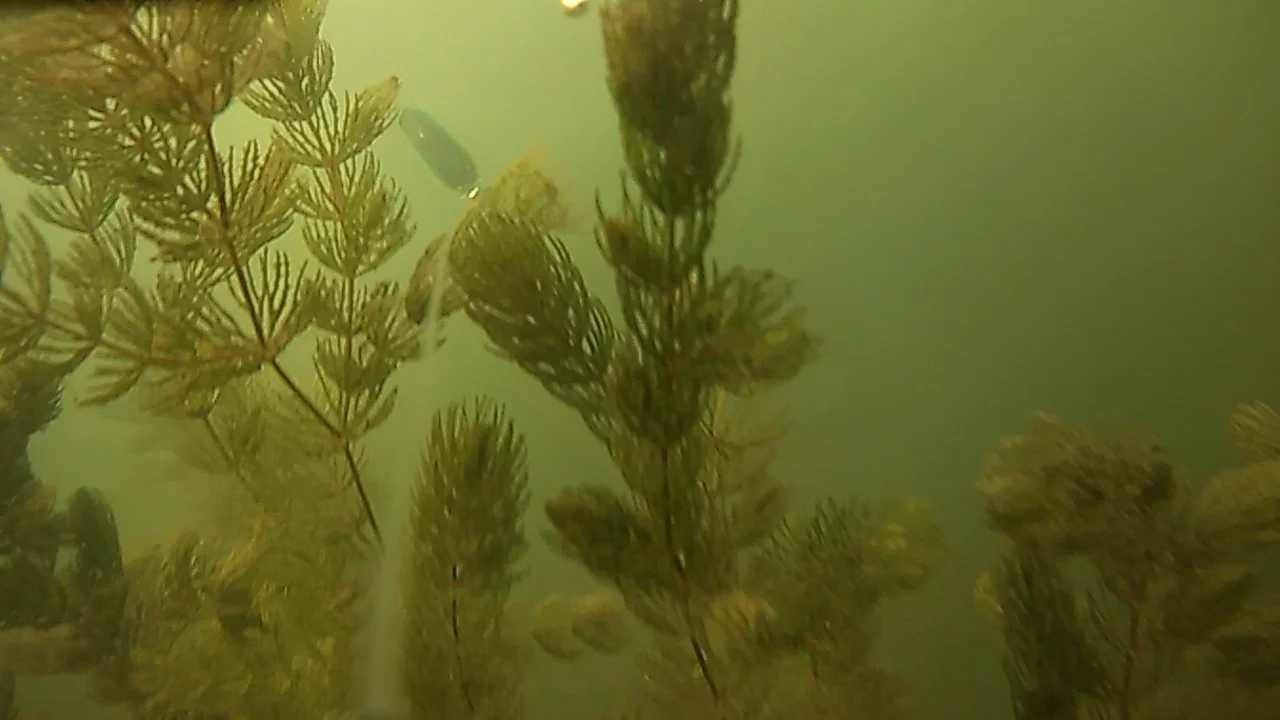
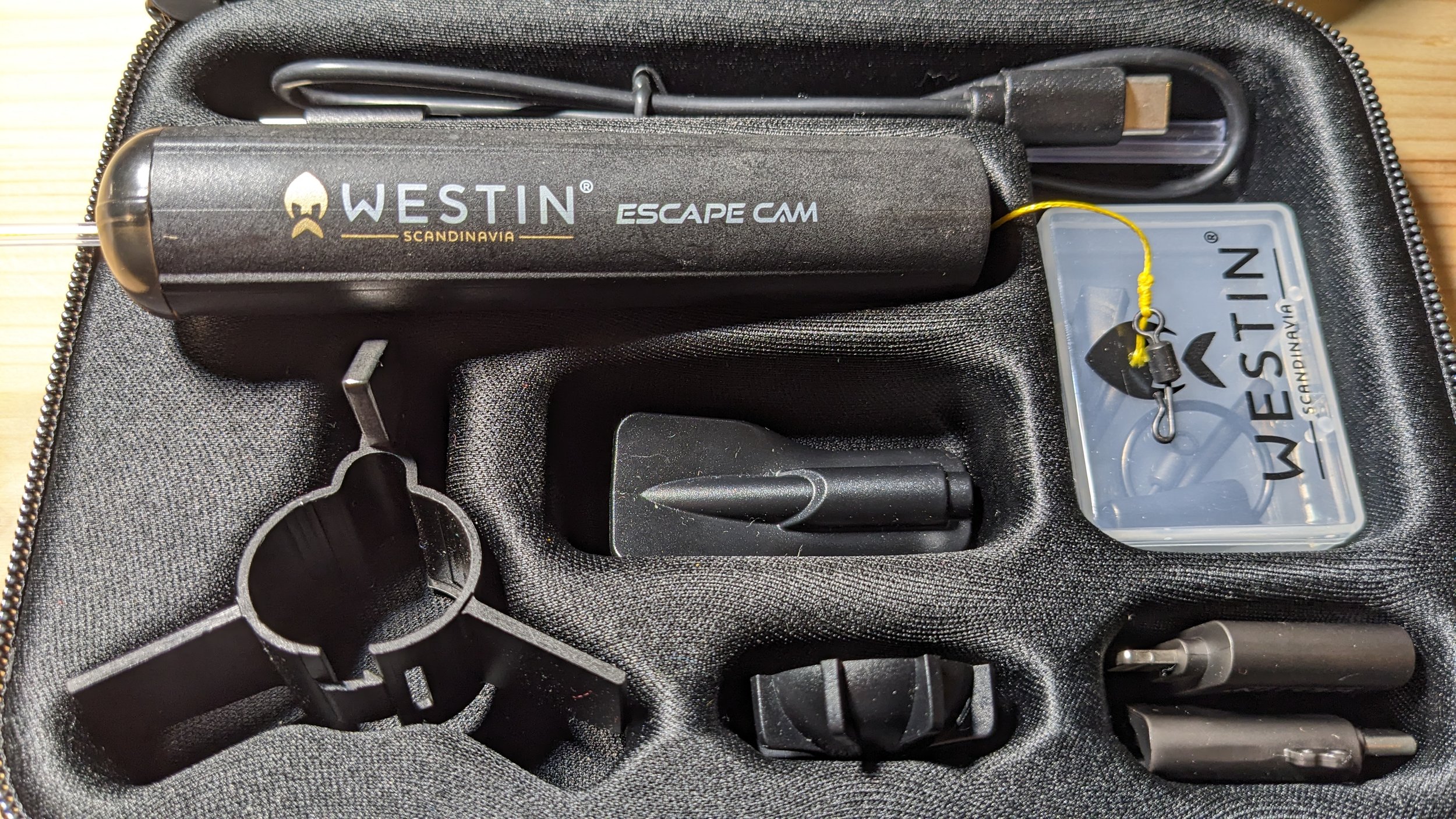
It is great to see that another Scandinavian fishing tackle manufacturer invested into designing a new underwater angling camera - the Westin escape cam. Here are three reasons why it is a decent choice.
-
It is the smallest and lightest underwater angling camera on the market.
Weight: 40 g / 1.4 oz
Dimensions: 10.6 cm x 2 cm
Some other specs:
* Battery life 2.5 hours* Full HD 1080p 30 or 60 fps.
* Waterproof down to 200 m.
-
It is a user-friendly gadget. In fact it operates by using a single on-off button.
There are a few tricks on how to rig it up and adjust the settings.
Check out the video links on youtube.
-
The escape cam has a feature to adjust the white balance for best colour saturation depending on fishing depth.
That way it accommodates for the fact that in shallow water longer wavelengths of sunlight—such as red, orange, and yellow—are absorbed within about the first 50 meters of depth. For fishing in deeper water, the setting can be changed to green (up to 100 m) or blue water (up to 200 m).
Changing perspectives
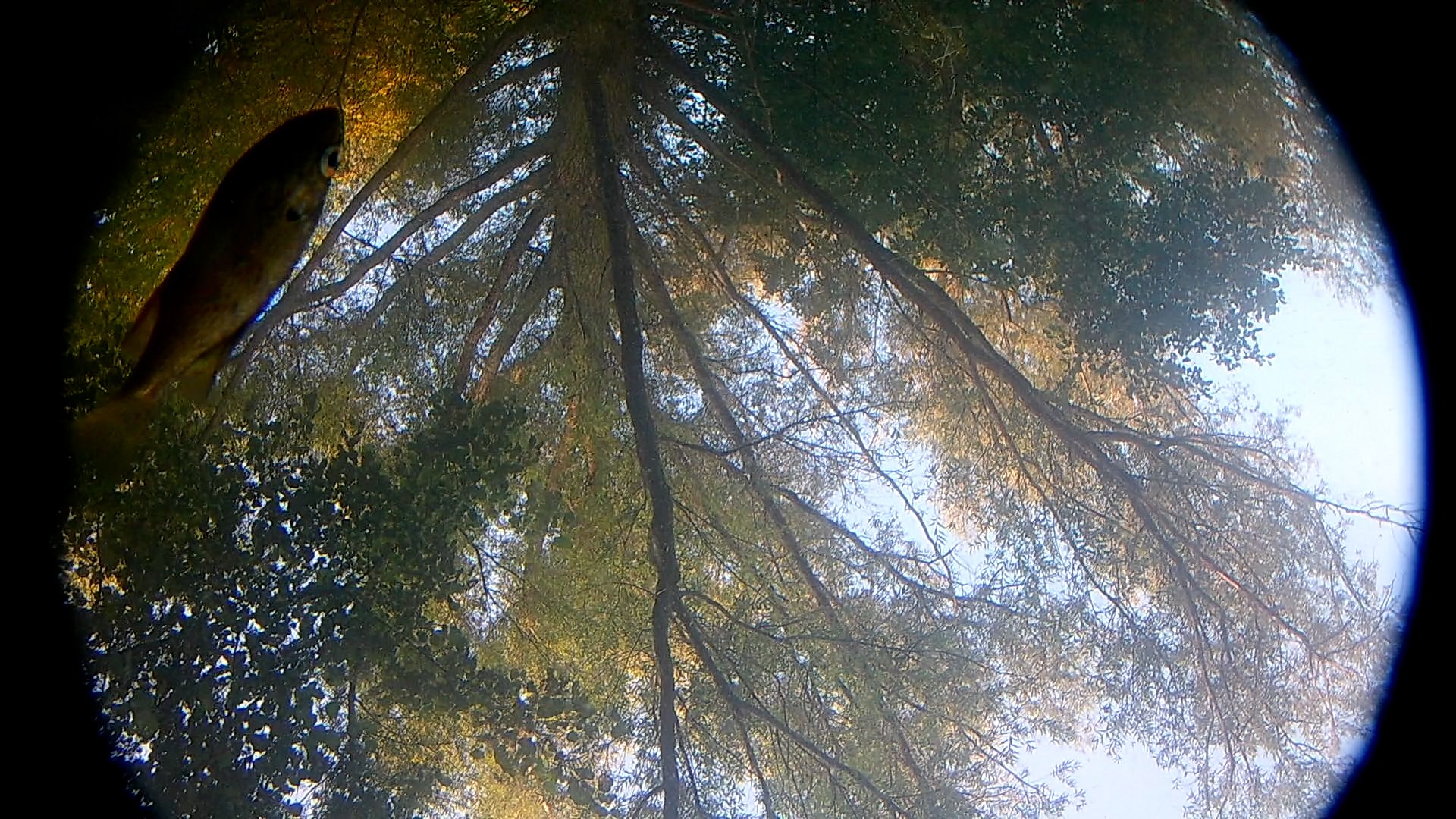
In this video I compare perspectives during stationary fishing with a float - by having the underwater angling cam looking either down- or upwards. I am busy designing a multi-purpose float that can be used for both perspectives and across at least two different camera models - more coming soon.
Untamed off the Norwegian coast
To many adventurous and exciting captures in 2024…..
Royalty Free Music: Bensound.com/royalty-free-music
License code: FNFTCYQAZO08UFGT
Footage: SW
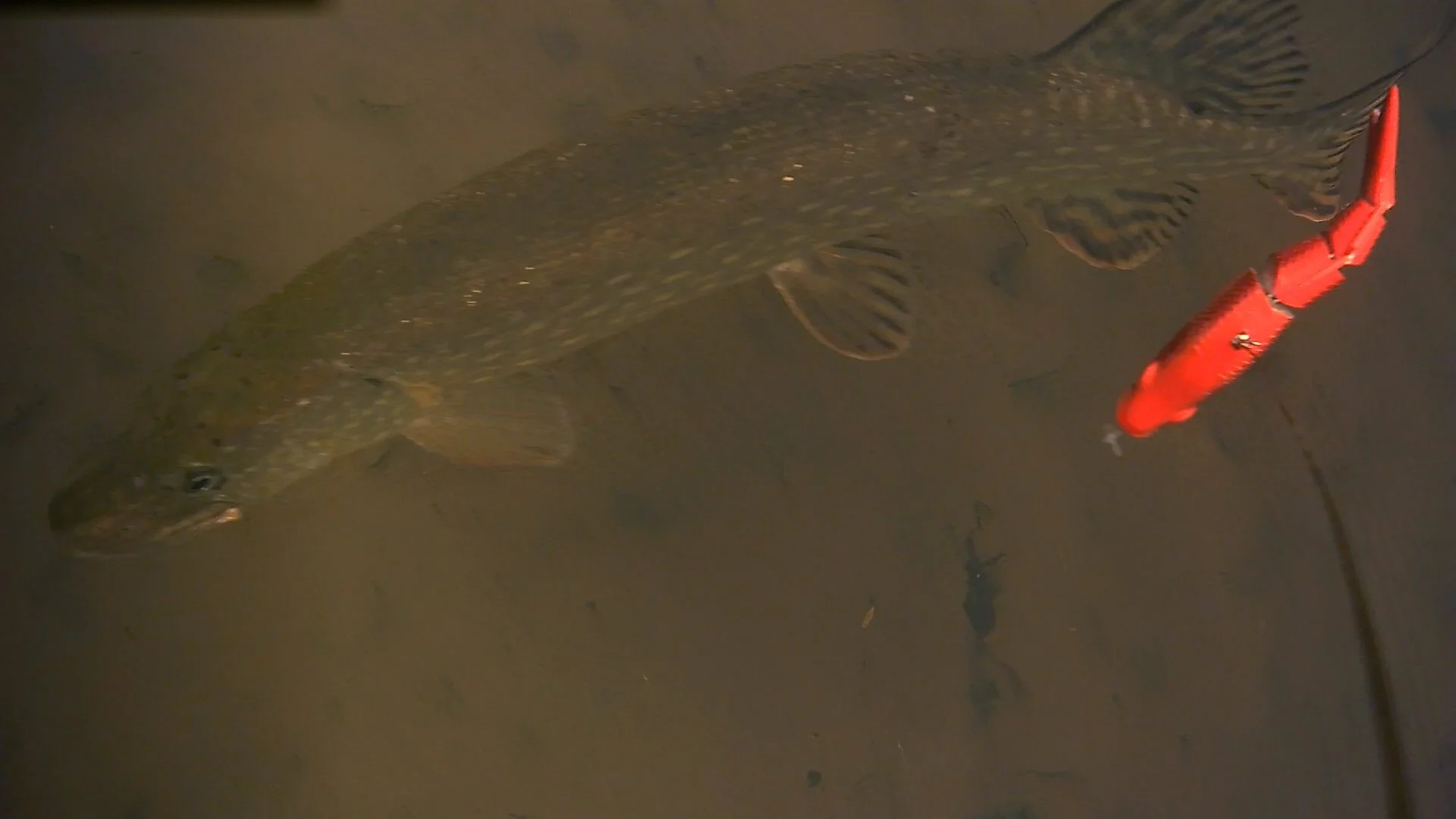
Holy goldy.....
This pike really had something going with the robot goldfish. I will release my goldfish now in winter more often to see if it teases a slow mover to dance like this.
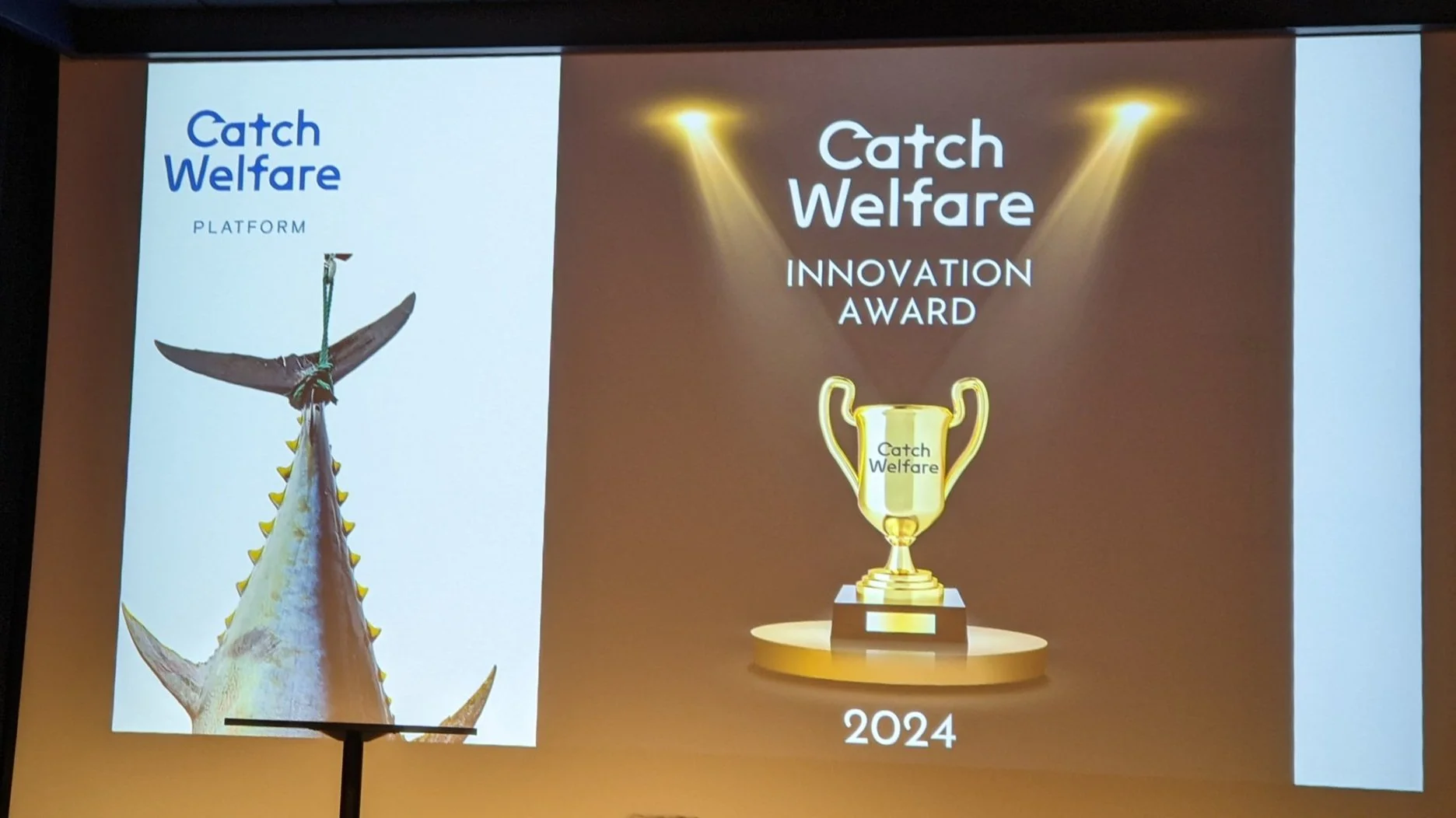
Catch in peace vs catch and release
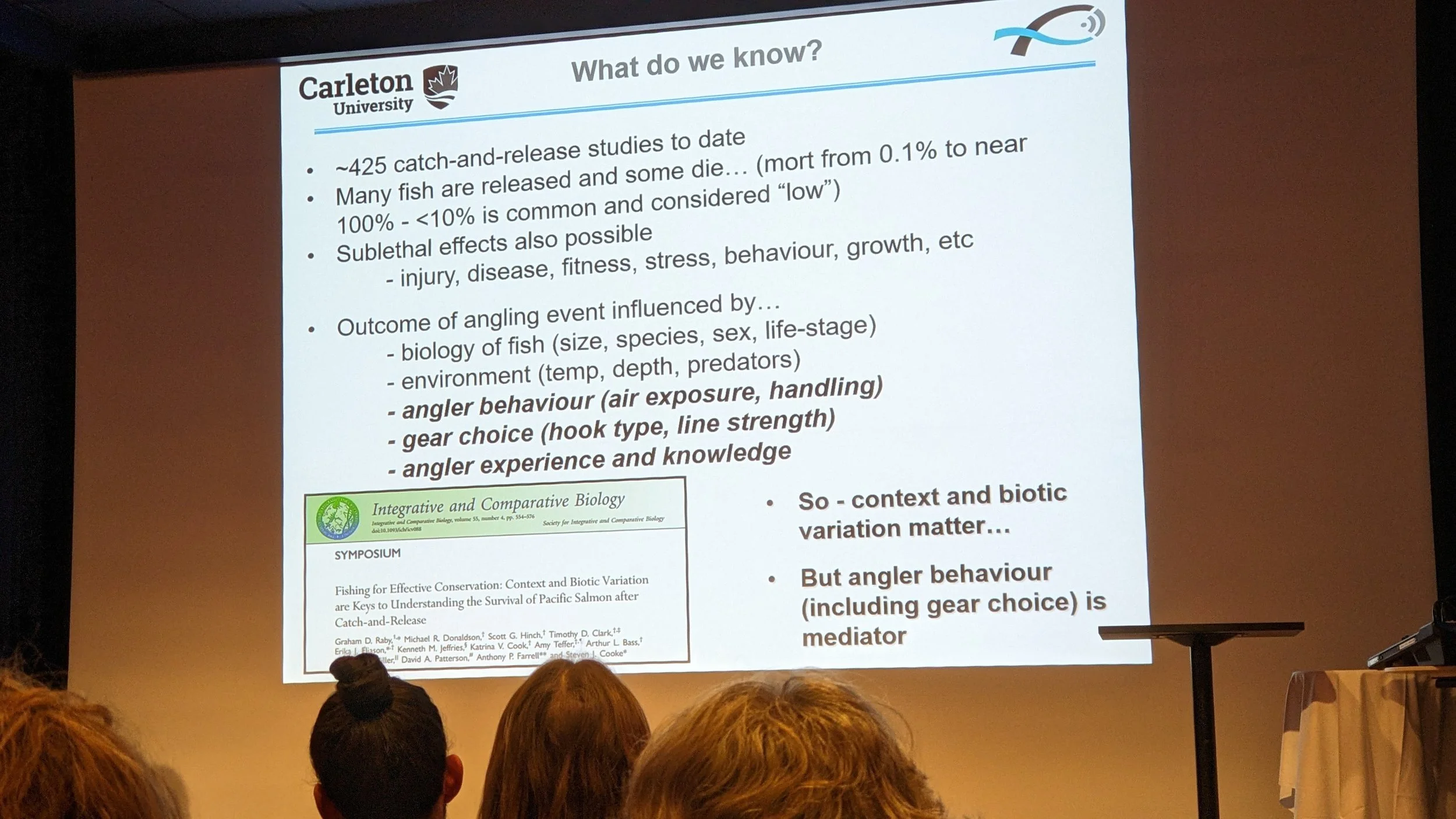
Caring for fish was the central theme of the catch welfare platform’s kick-off meeting in Bergen, Noway last week. While the majority of presentations were about how to improve treatments of fish in wild-capture commercial fisheries, the pros and cons and welfare challenges of recreational, catch and release were neatly summarized as well.
Not-so crystal voyager
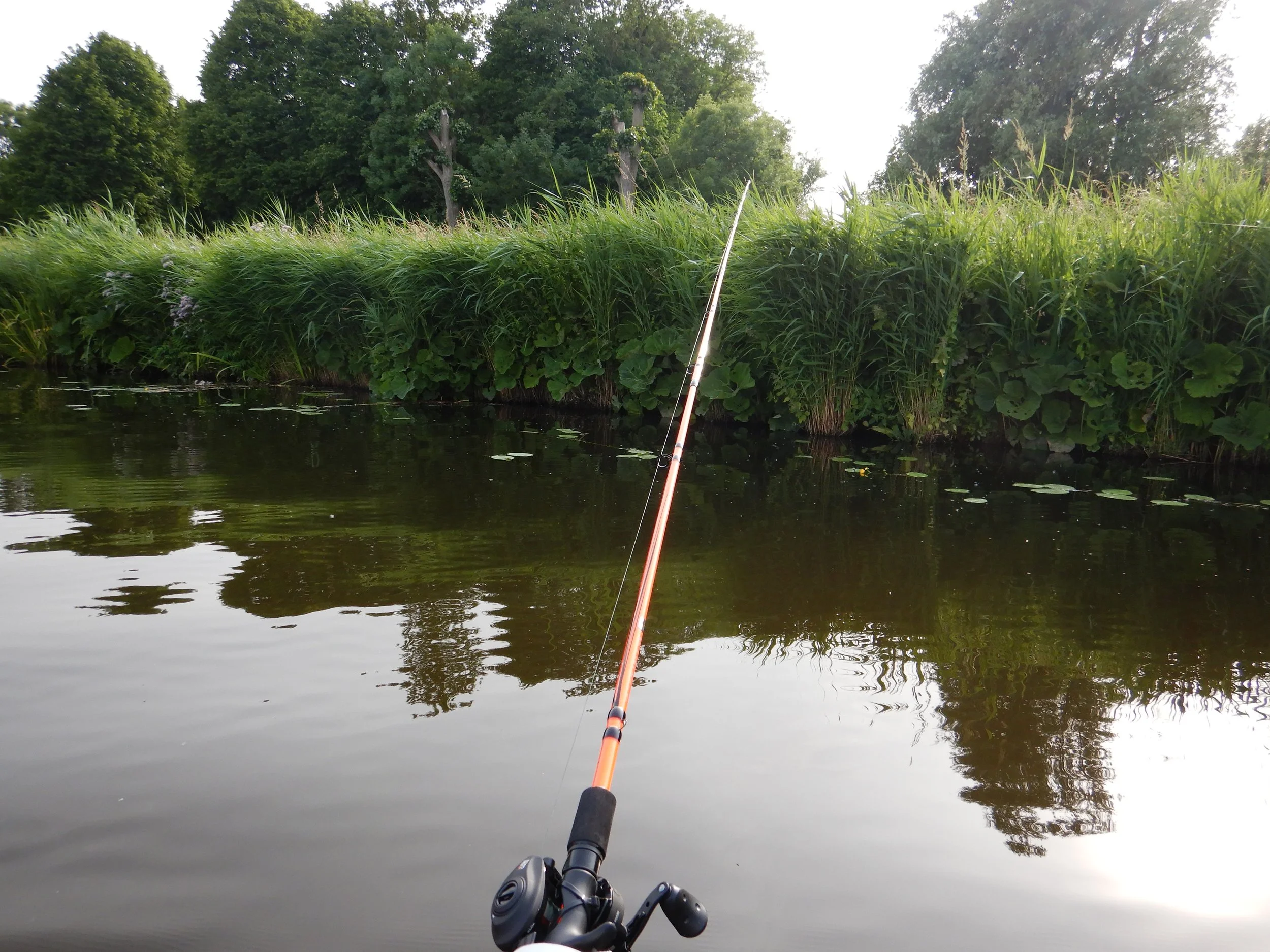
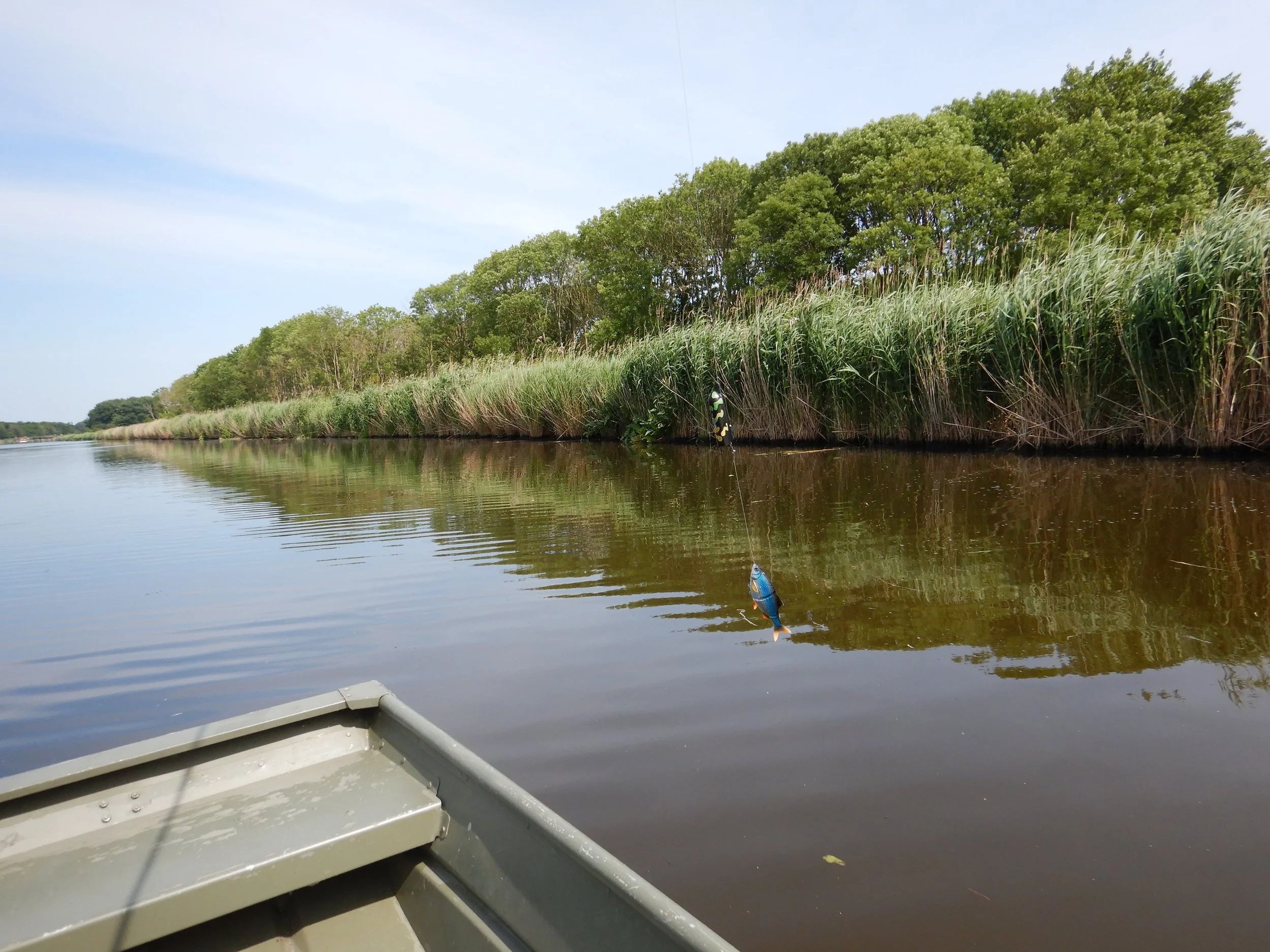
The season has not offered too much time on the water, but with the inauguration of a smokercraft jon boat I am itching closer to some trolling times for pike and other predators, if I manage to locate any clear-water spots in the lowlands of The Netherlands. If you know any good crystal-clear waters, drop me a comment or two. Cheers

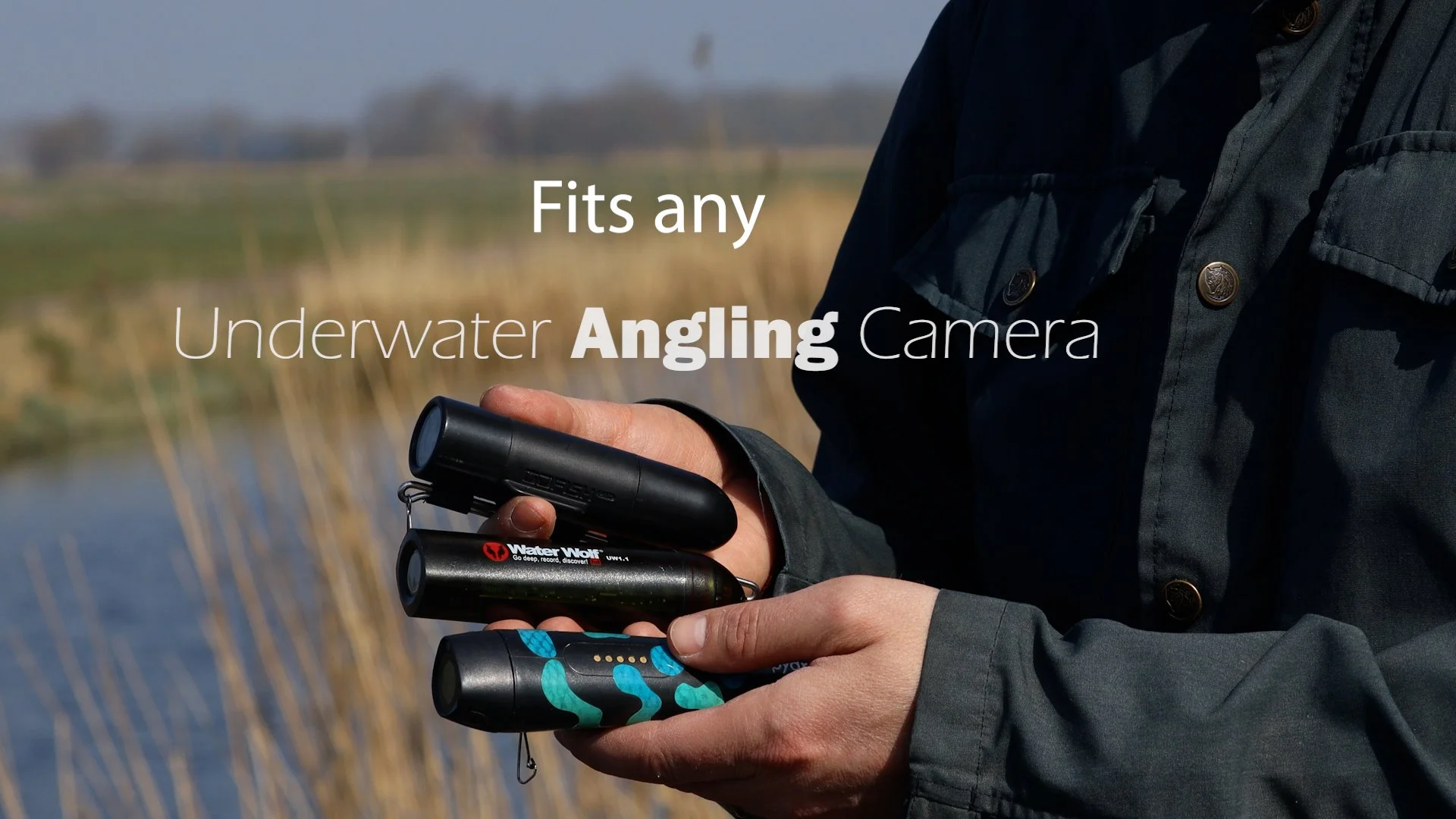
Wrap your wolf in a fish skin
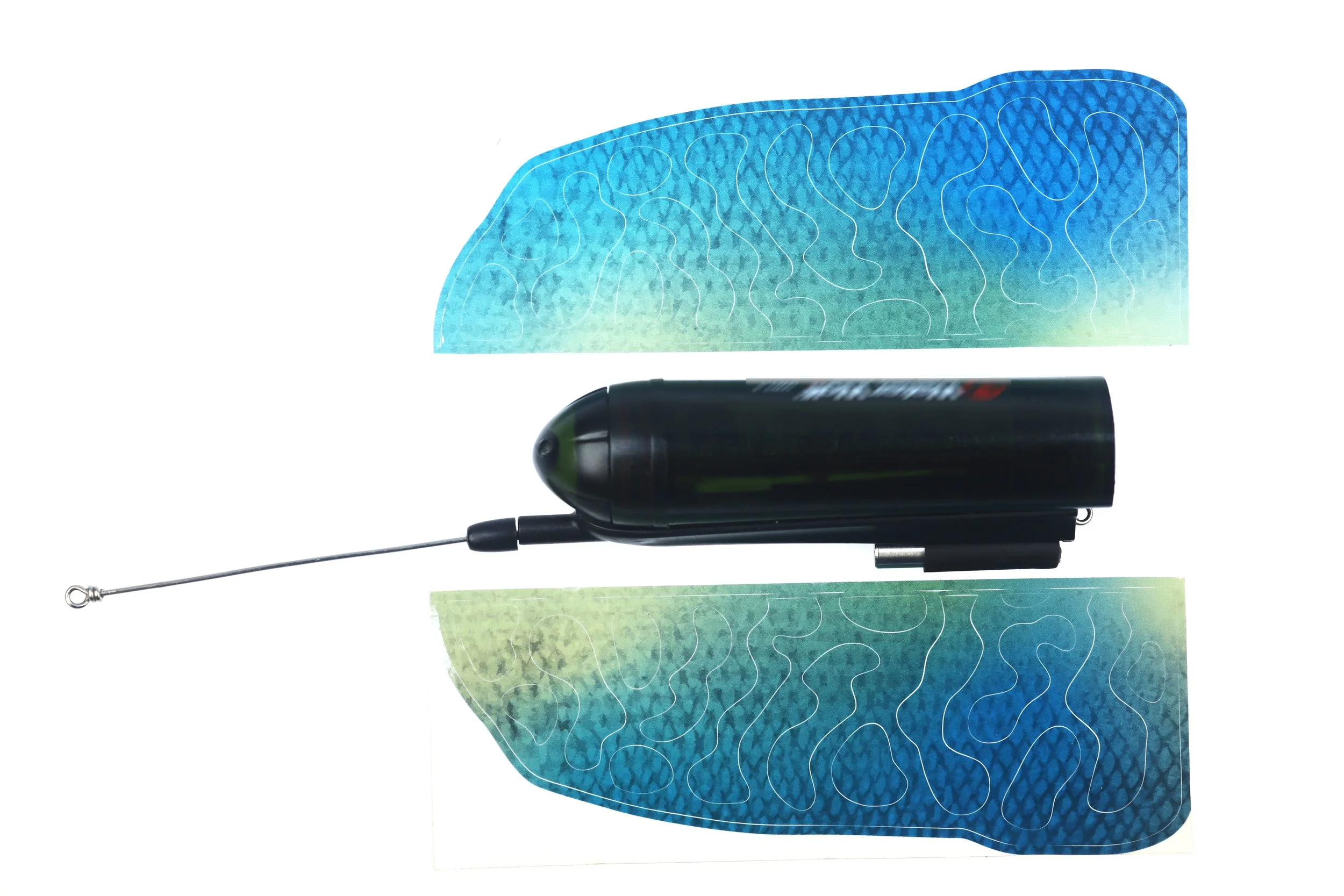
Are you keen to increase your capture rate - both on video as well as on your bait? Then drnapper’s Snack Attack Fish Skin sticker could do the trick for you and help you capture some amazing underwater trophy shots. Watch it for your self: the stickers were tested by one of the leading underwater angling cam operators and enticed some big pike in Ireland, Germany and Belgium so far. Who is next? Be quick - promo sale is on now.
International working group met in Ancona, Italy
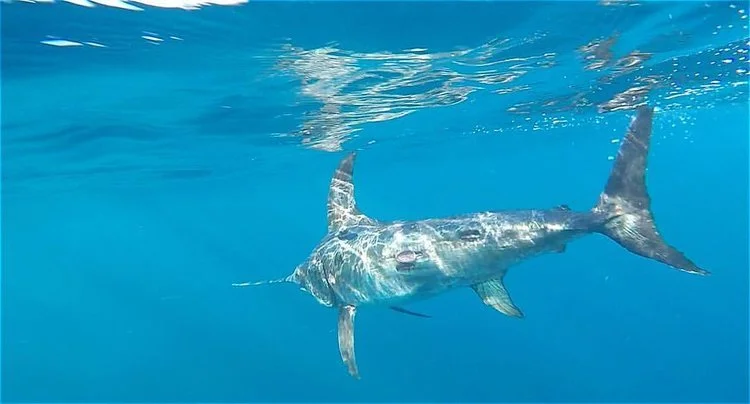
Earlier in June, (recreational) fisheries scientists from around the globe met in Ancona, Italy for an international working group to discuss the latest research findings when it comes to estimating catch and effort, catch and release impacts, and socio-economic benefits and impacts of recreational fisheries. There were interesting sub-groups that discussed how to best collate evidence about catch-and-release impacts, especially in data-poor situations to give the best fisheries management advice. Research results were presented from the Baltic Sea about post-release survival of hook-and-line caught flatfishes and Atlantic salmon; from planned trials in Portugal, and from a fledging big game swordfish fishery off the coast of Tasmania and South Australia.
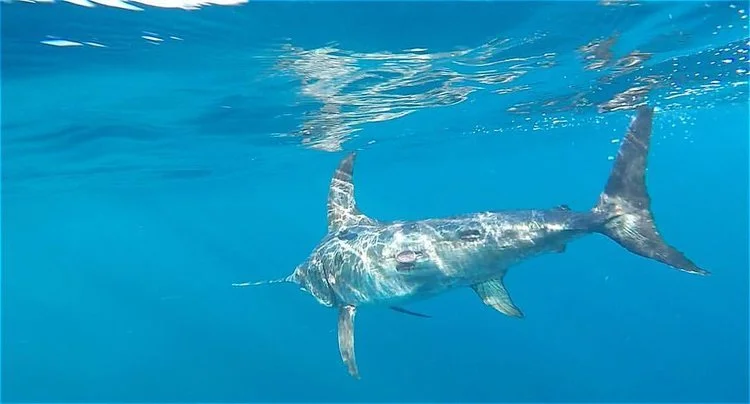
Picture: Sean Tracey, University of Tasmania, Australia
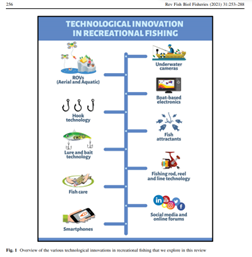
Technological innovations in recreational fisheries
A very interesting review was published by one of the world’s most published fisheries research scientists, Dr Steve Cooke et al. 2021, about technological innovations in the recreational fishing sector. There is an entire section dedicated towards underwater angling cameras: ‘Underwater cameras are likely to appeal to the desire of anglers to both catch more fish and better understand their target species. Fish videos can be enjoyable for anglers and, when used effectively, may help to increase angler-fish interactions leading to issues for fisheries managers and the policies that they need to uphold (Cooke et al. 2021).’
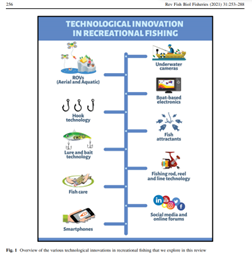
Copyright: Cooke et al. 2021
Webshop opens
Dr Snapper has been busy behind the scenes setting up a fledging webshop. The first product to pimp your underwater angling cam experience is the Fish Skin sticker ‘Snack Attack‘. It comes in a few different yummy colours to tickly the fancies of your favourite predatory fish. Dr Snapper’s Fish Skin sticker ‘Snack Attack’ has been trialed with success on Northern pike - a ruthless mamba known to underwater angling cam enthusiasts to devour the camera on occasion rather than the (artifical) lure - so why not take advantage of that appetite. A few videos will be released soon to document such snack attacks. The webshop opens July 1st - tell your mates. Happy snapping.