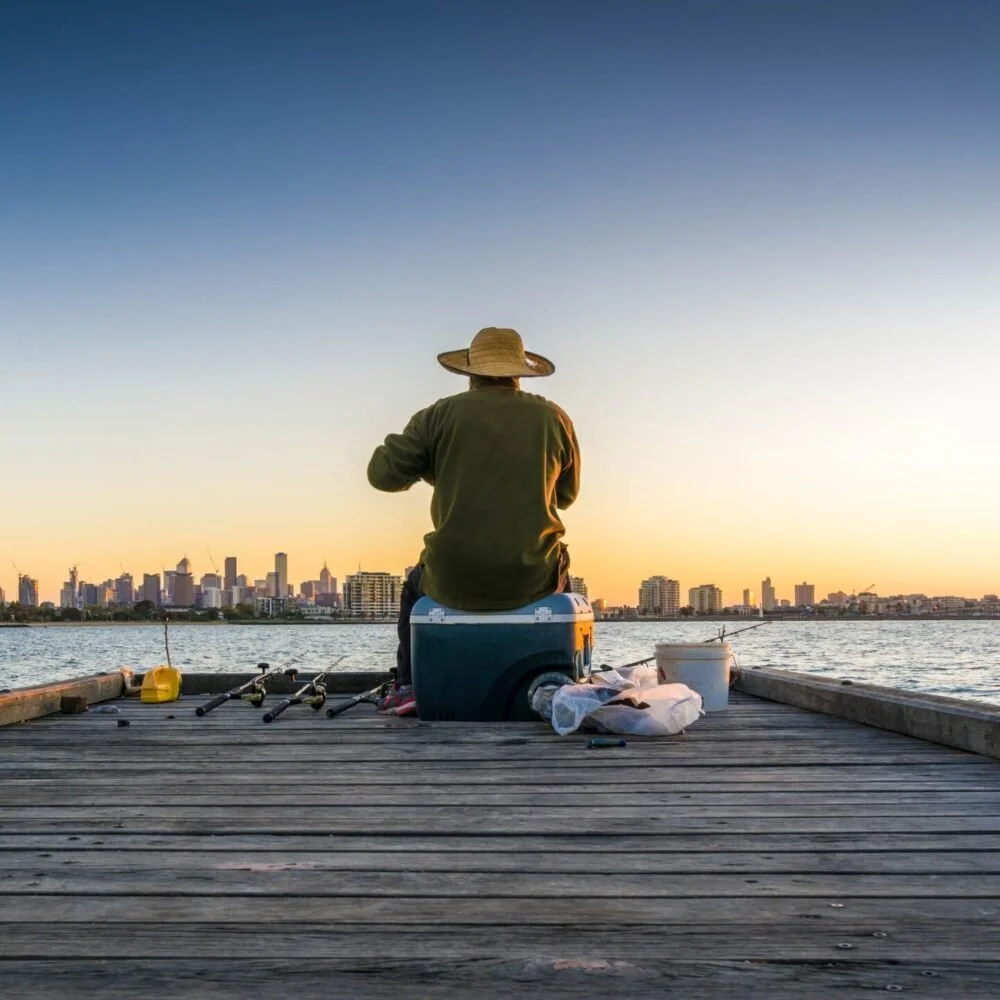
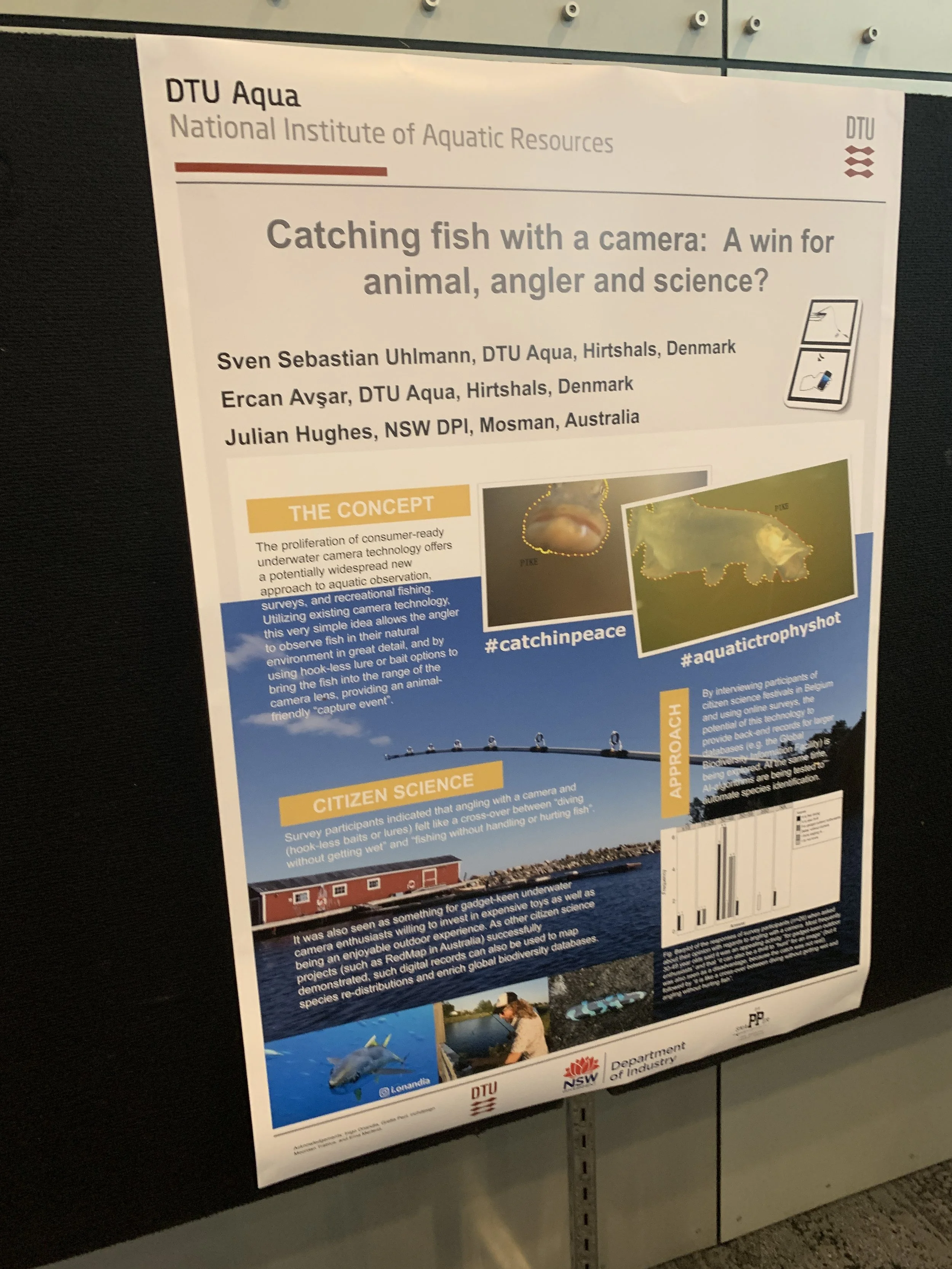
World Recreational Fishing Conference in Melbourne
Exciting times ahead…..a poster has been accepted for the World Recreational Fishing Conference in Melbourne in February. If you are interested to read more about this work, feel free to get in touch. Thanks a lot to my local co-author to present it in Melbourne!
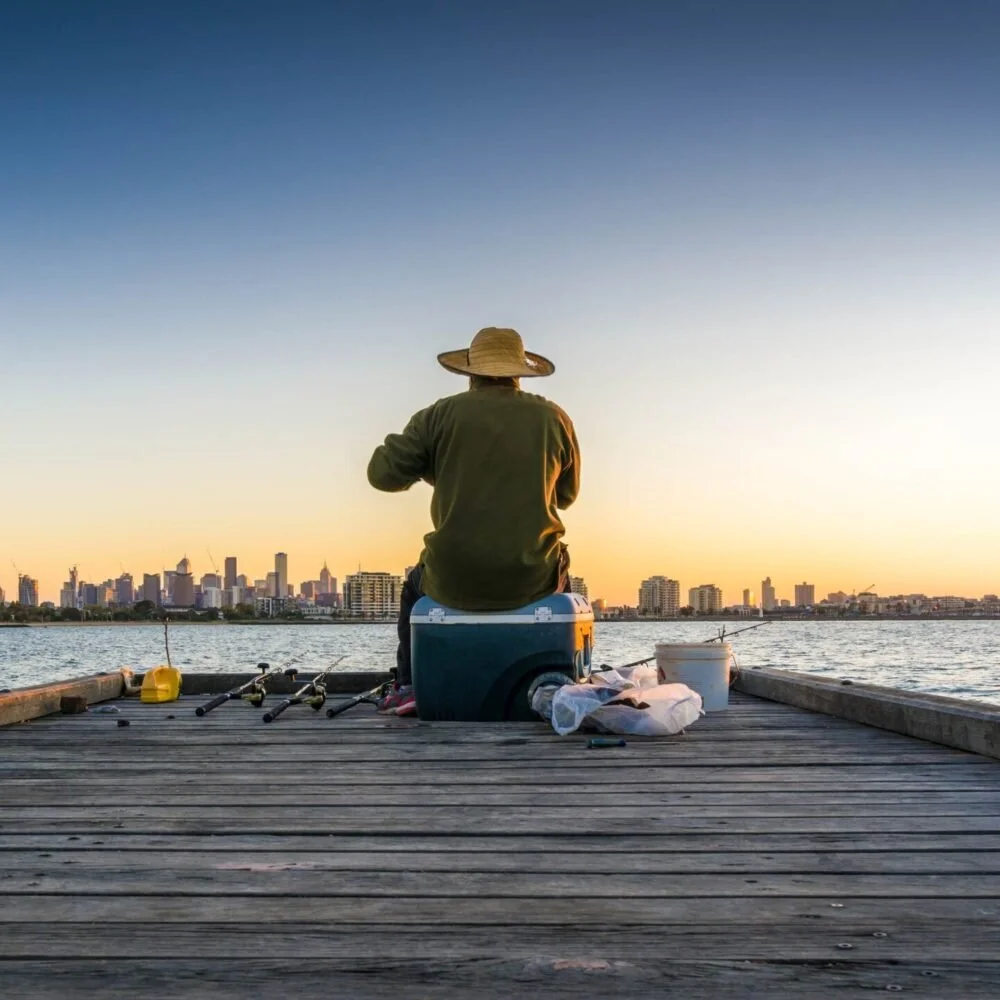
Image: WRFC10 website
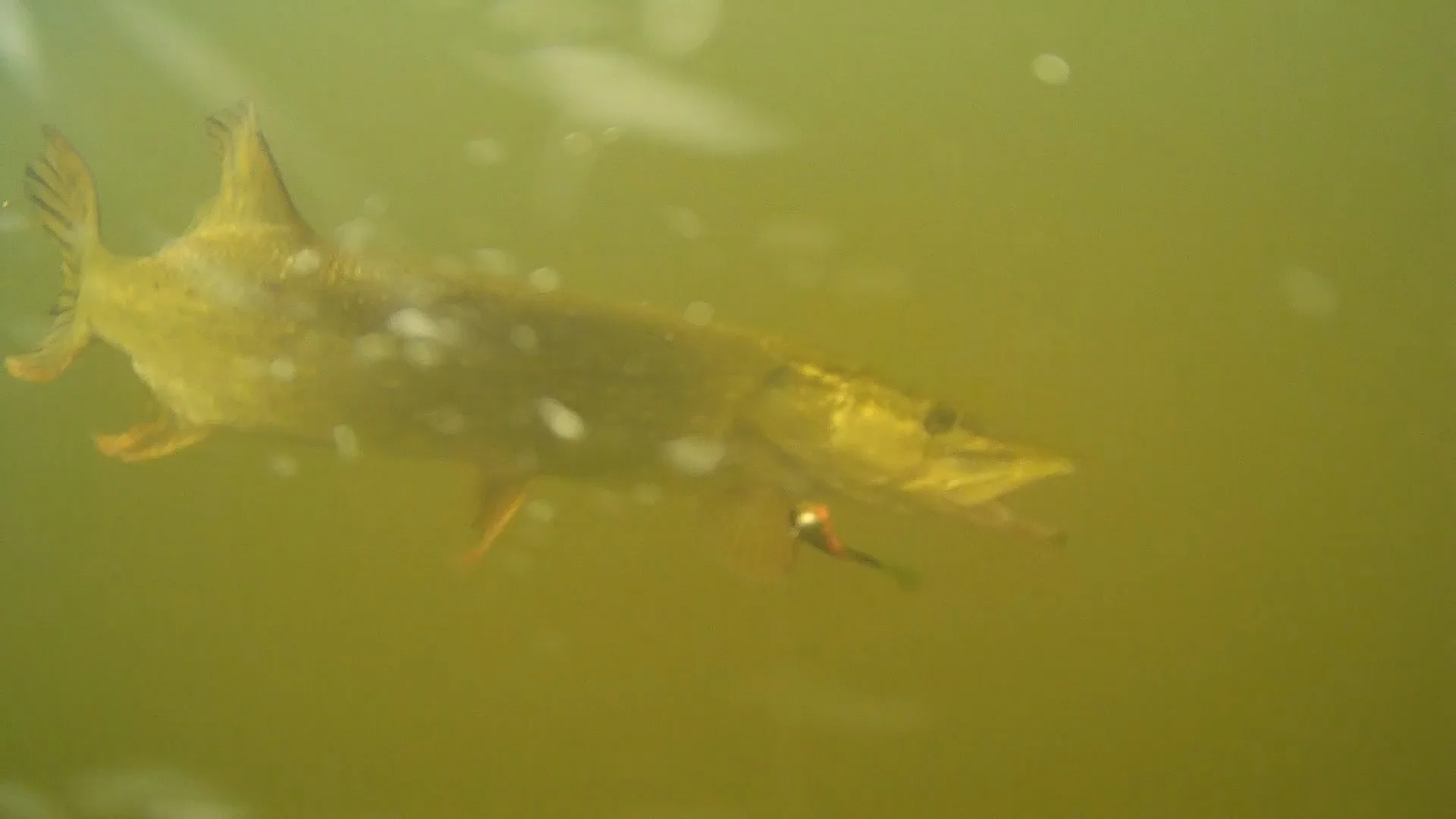
Happy Snappy Year 2023
With this compilation of clips drsnapper is ready to kickstart an exciting New Year 2023 with a ton of ideas and developments in the pipeline. It shows the full spectrum of underwater trophy shots captured while angling with underwater cameras (e.g., spydro, waterwolf, or gofishcam) for pike, garfish, perch, pollack (all in Europe), and some stripeys in Australia. It also shows the challenges associated with the footage: murky water, wobbly images, turbulences, among other things. But still, heaps of fun to capture fish on video.
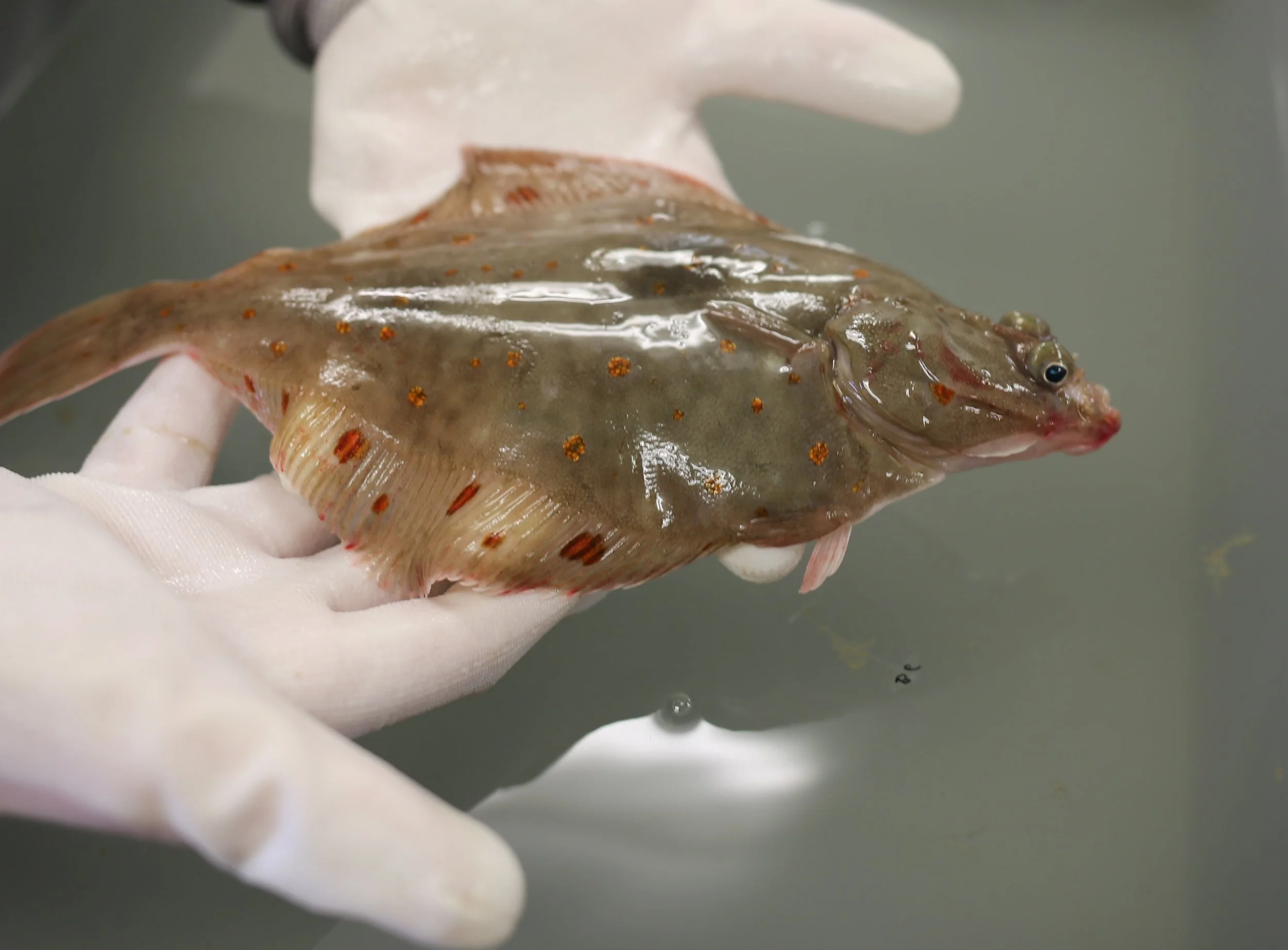
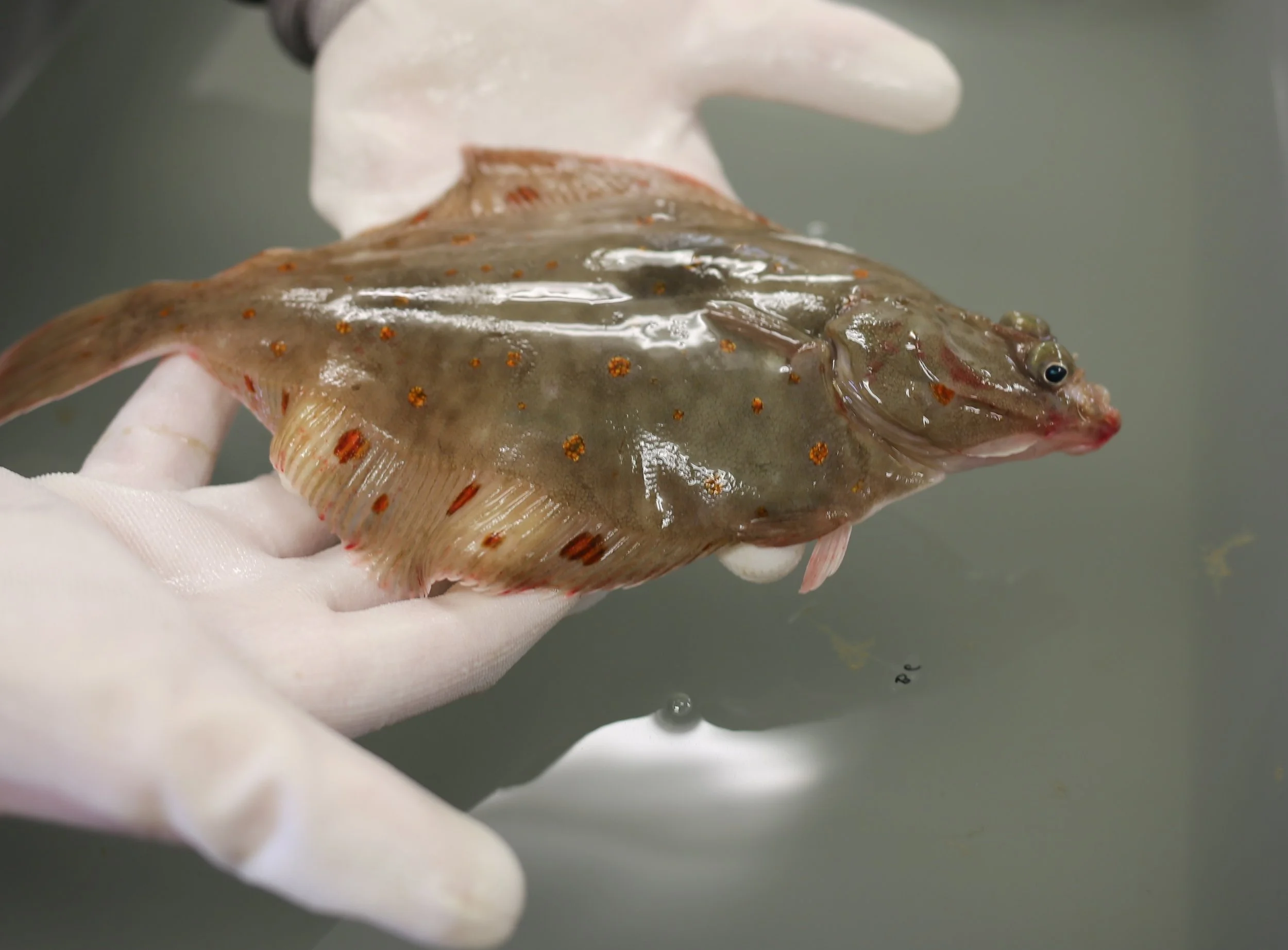
Carefish project - improving catch welfare
These are the ambitious and promising goals of the carefish project in improving catch welfare in wild-capture fisheries:
assess global animal welfare impacts in fisheries
identify the potential of reducing animal suffering in various fishing methods and species
analyse the economic and social feasibility of the improvements suggested
raise problem and solution awareness in general and specific audiences
implement welfare guidelines into the Friend of the Sea fisheries certification scheme
Mini-exhibition of innovations for future fisheries
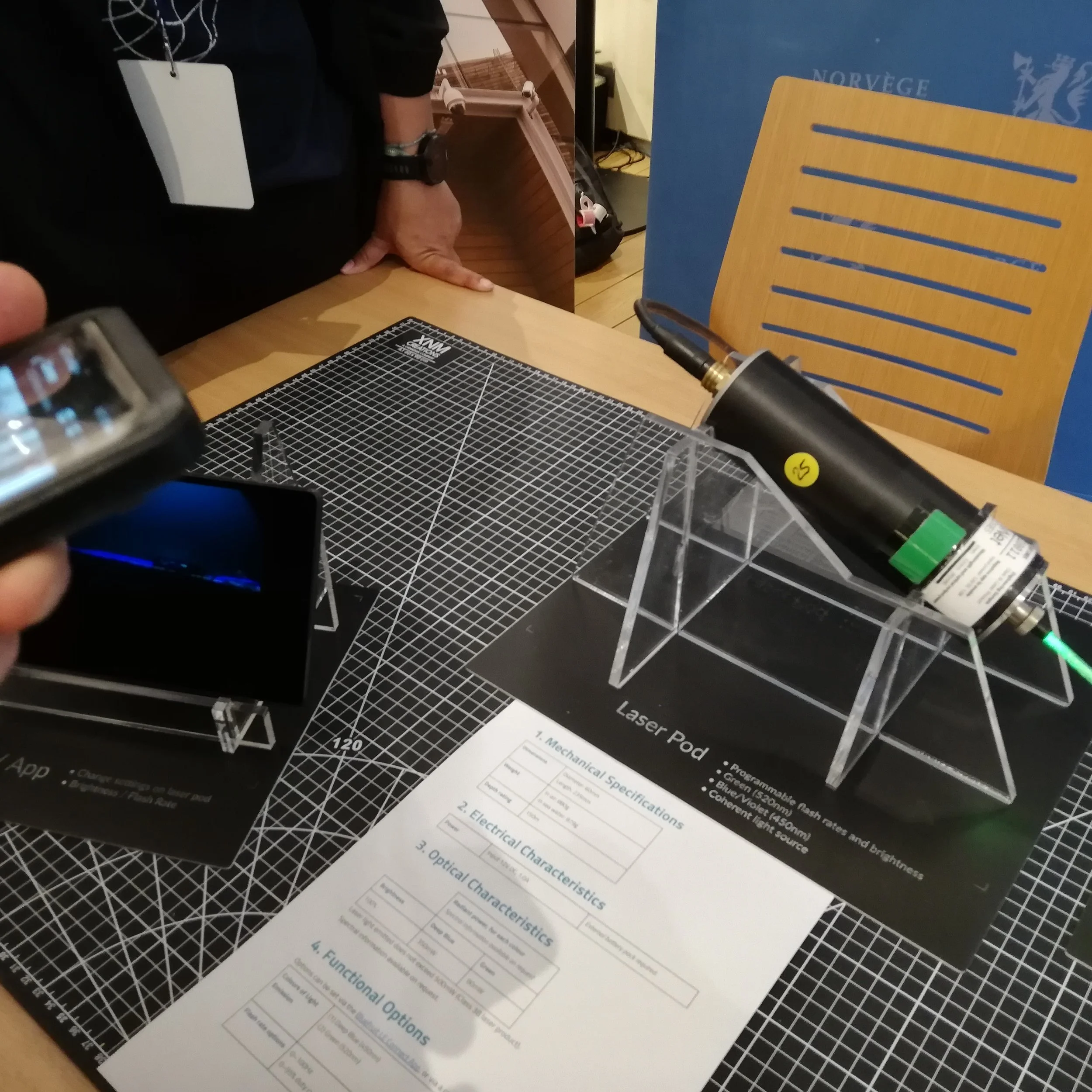
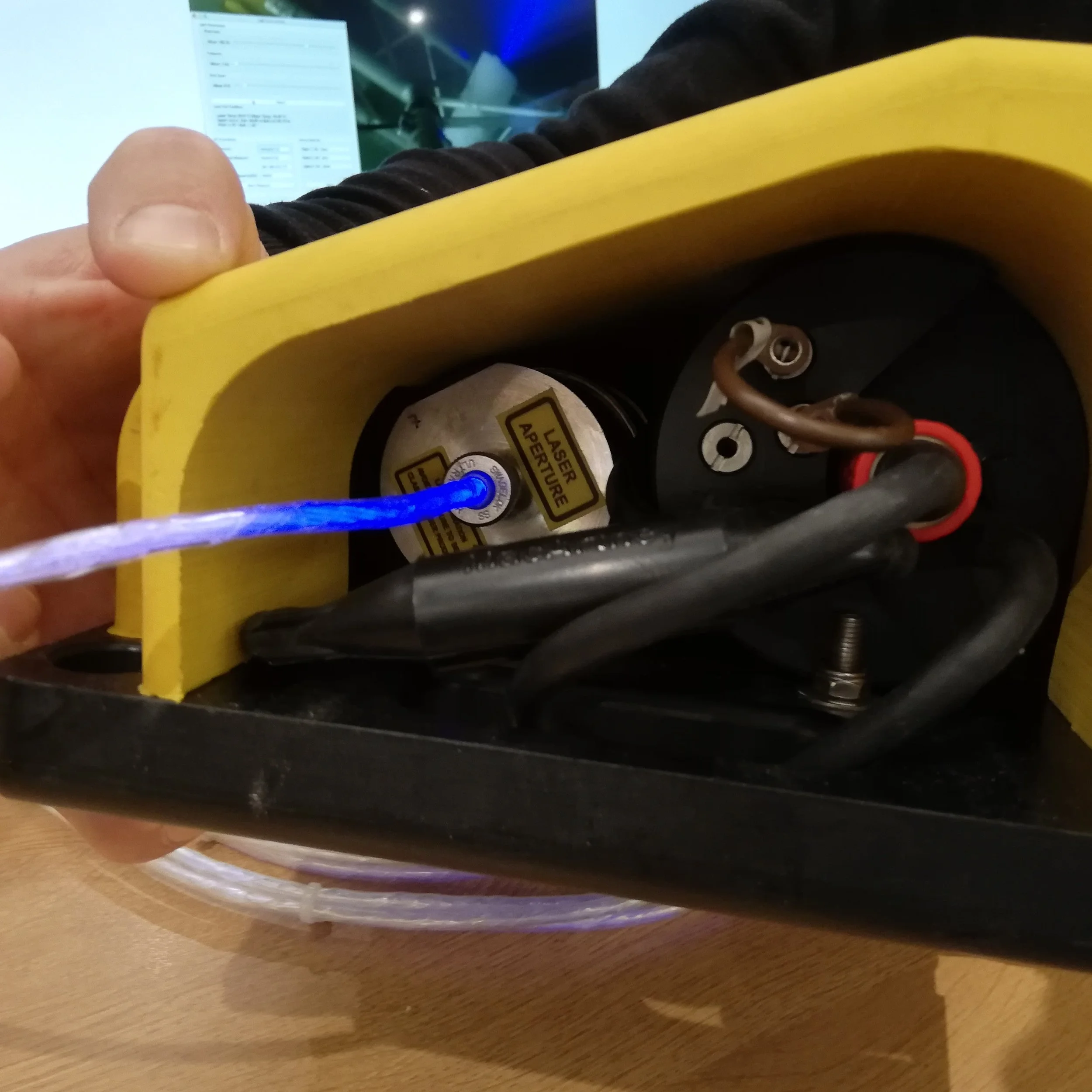
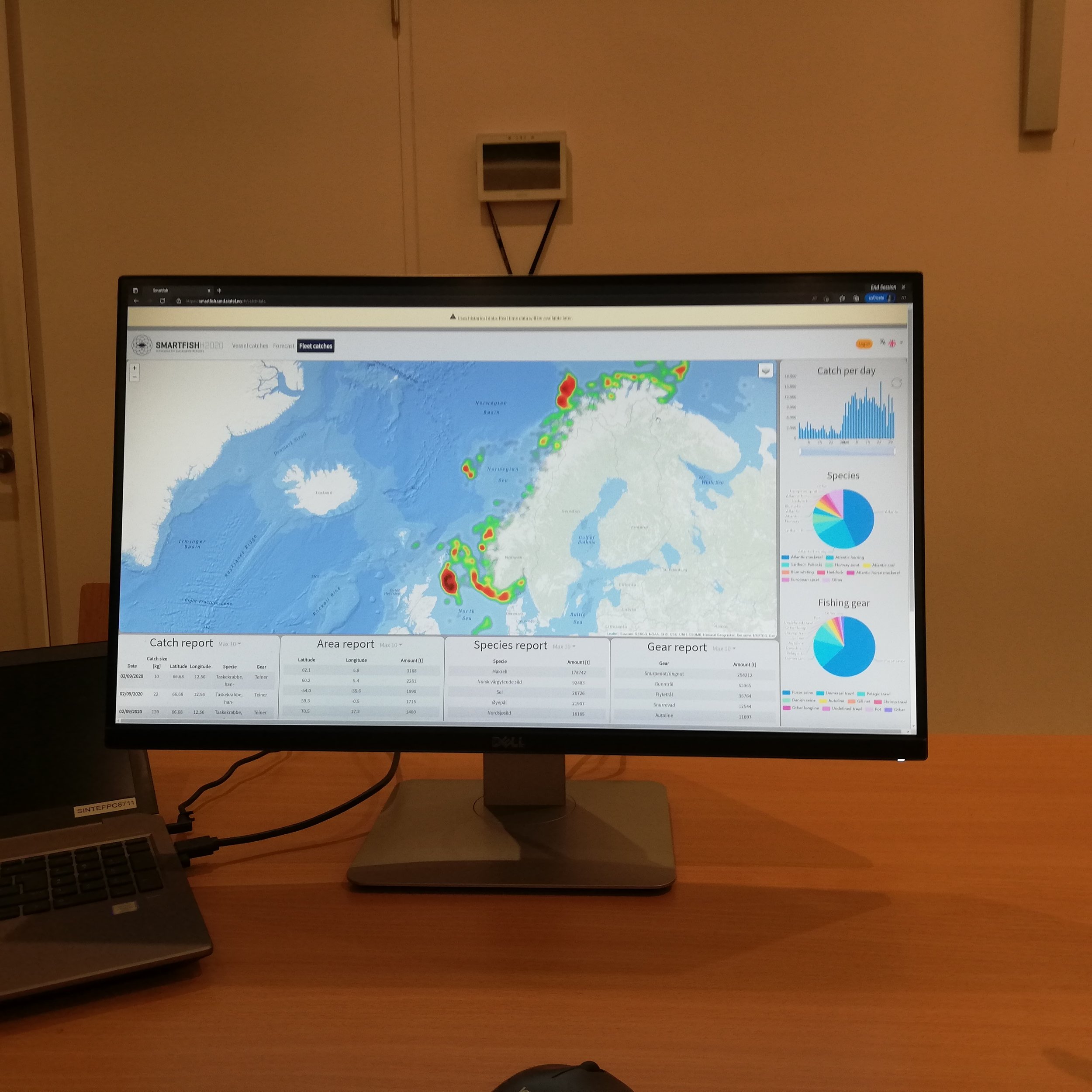
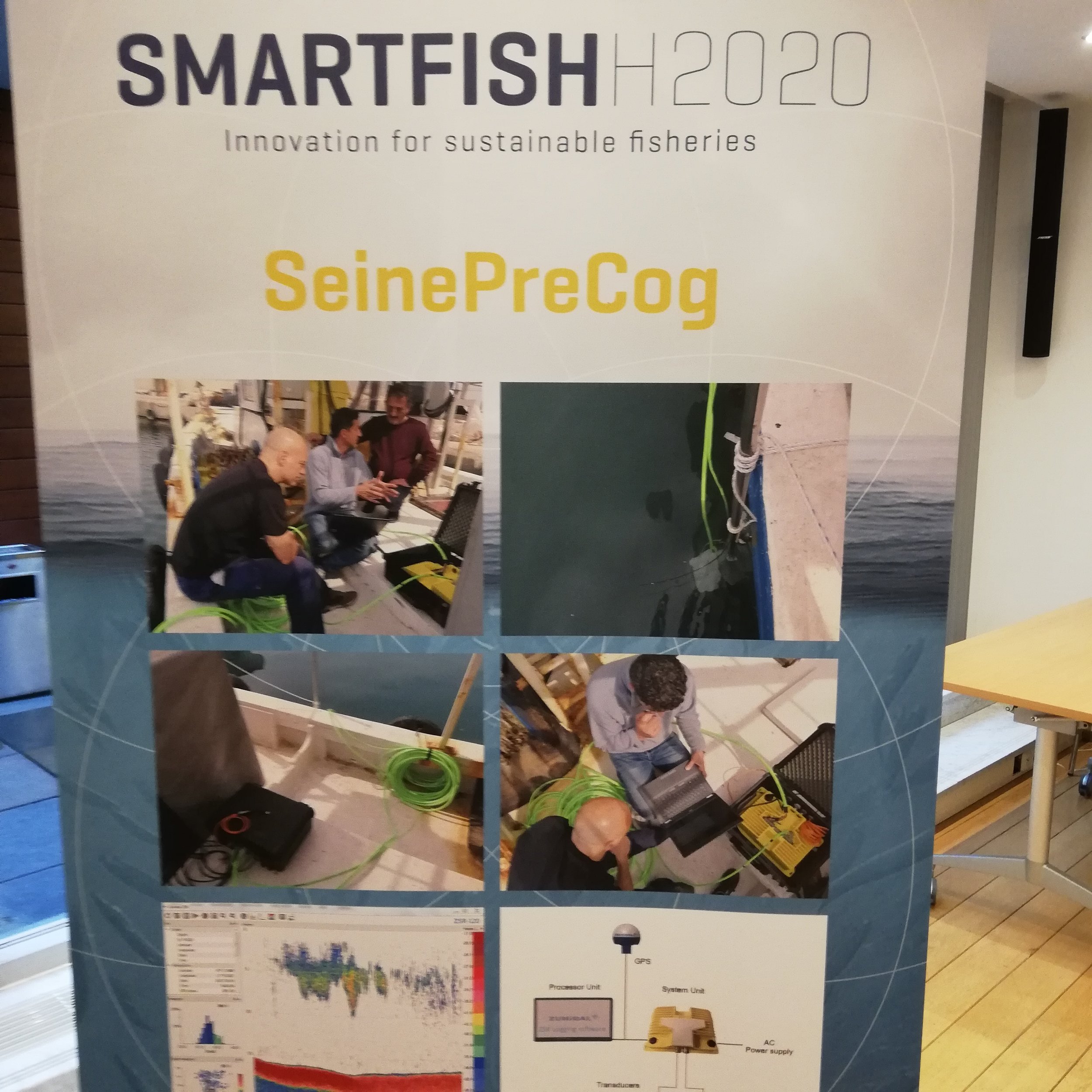
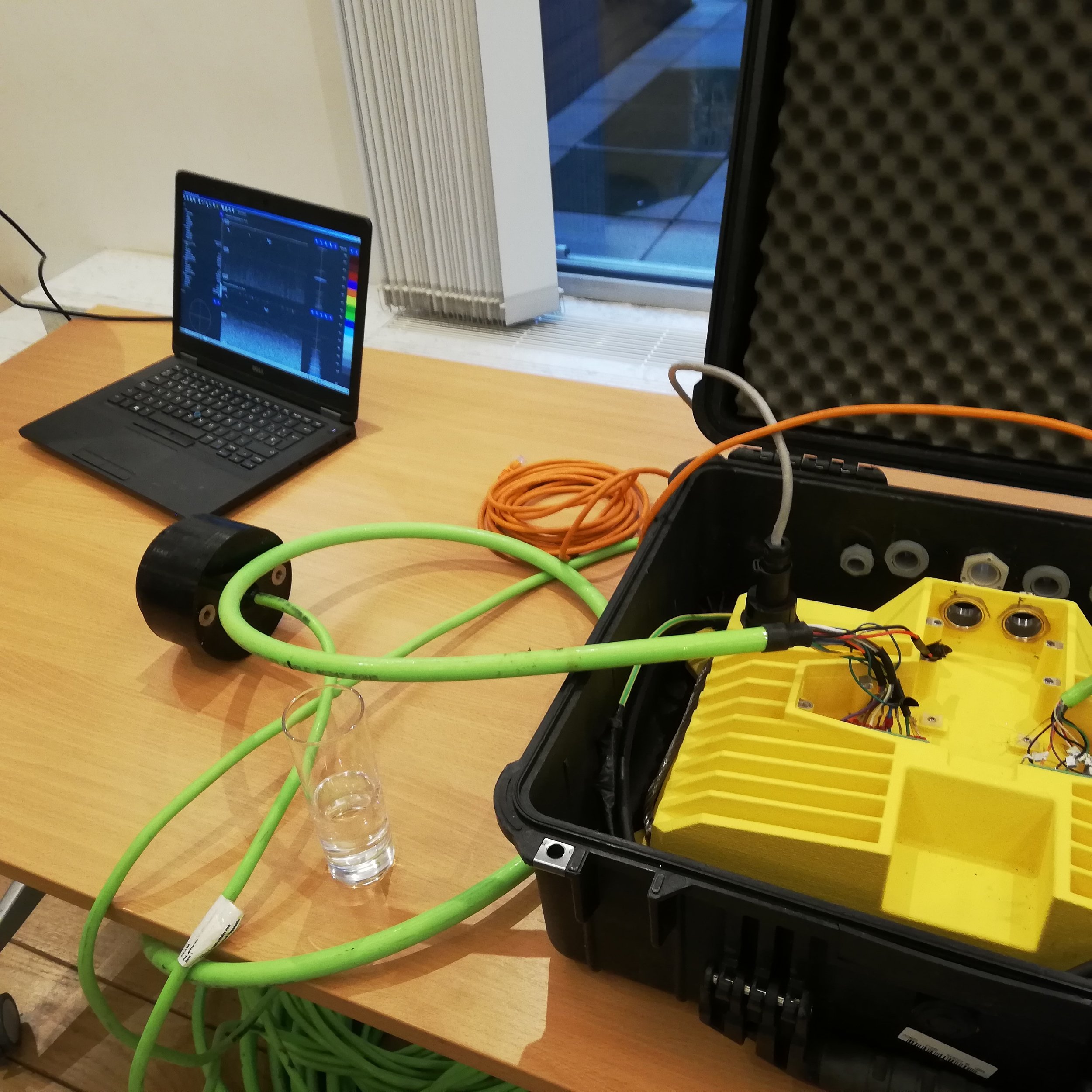
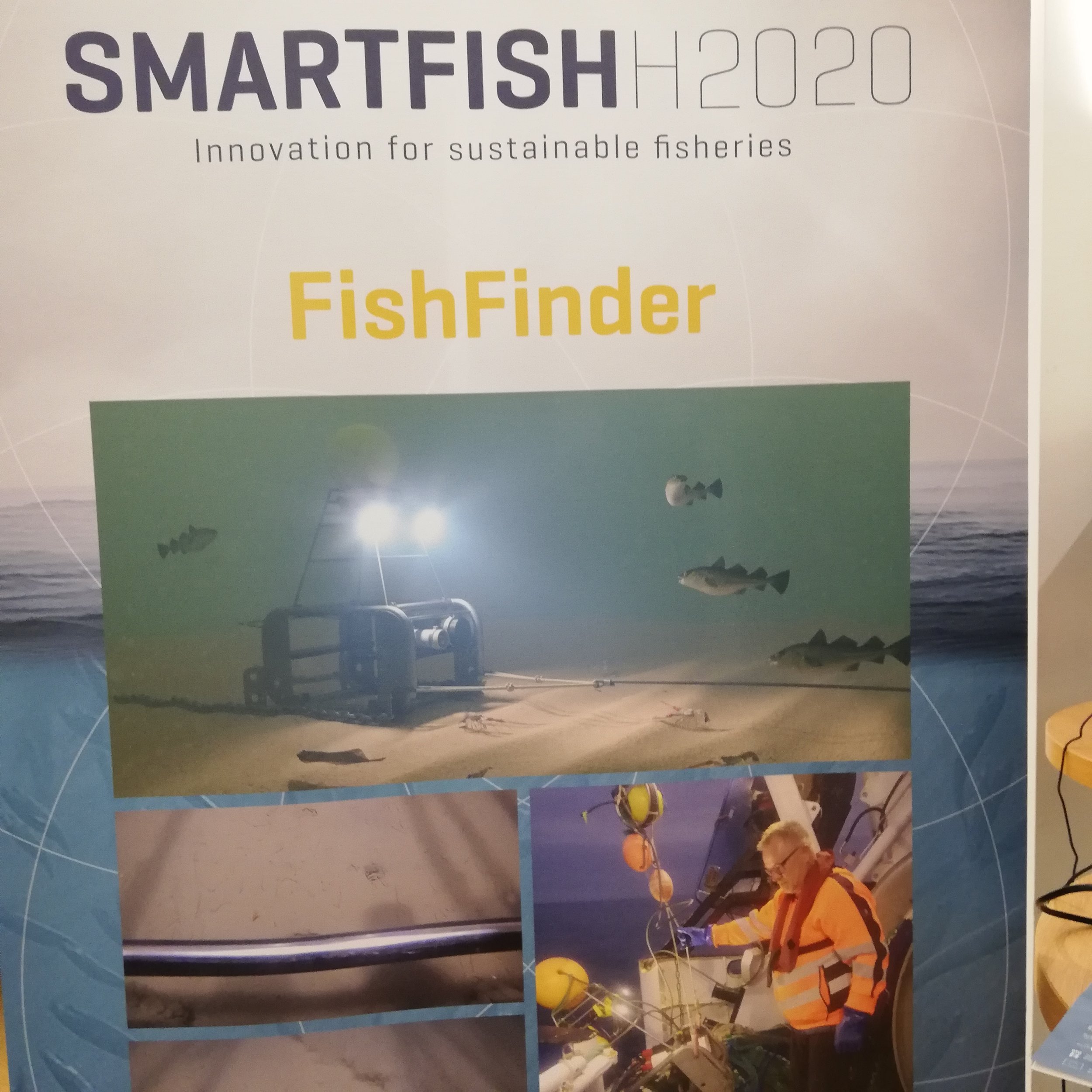
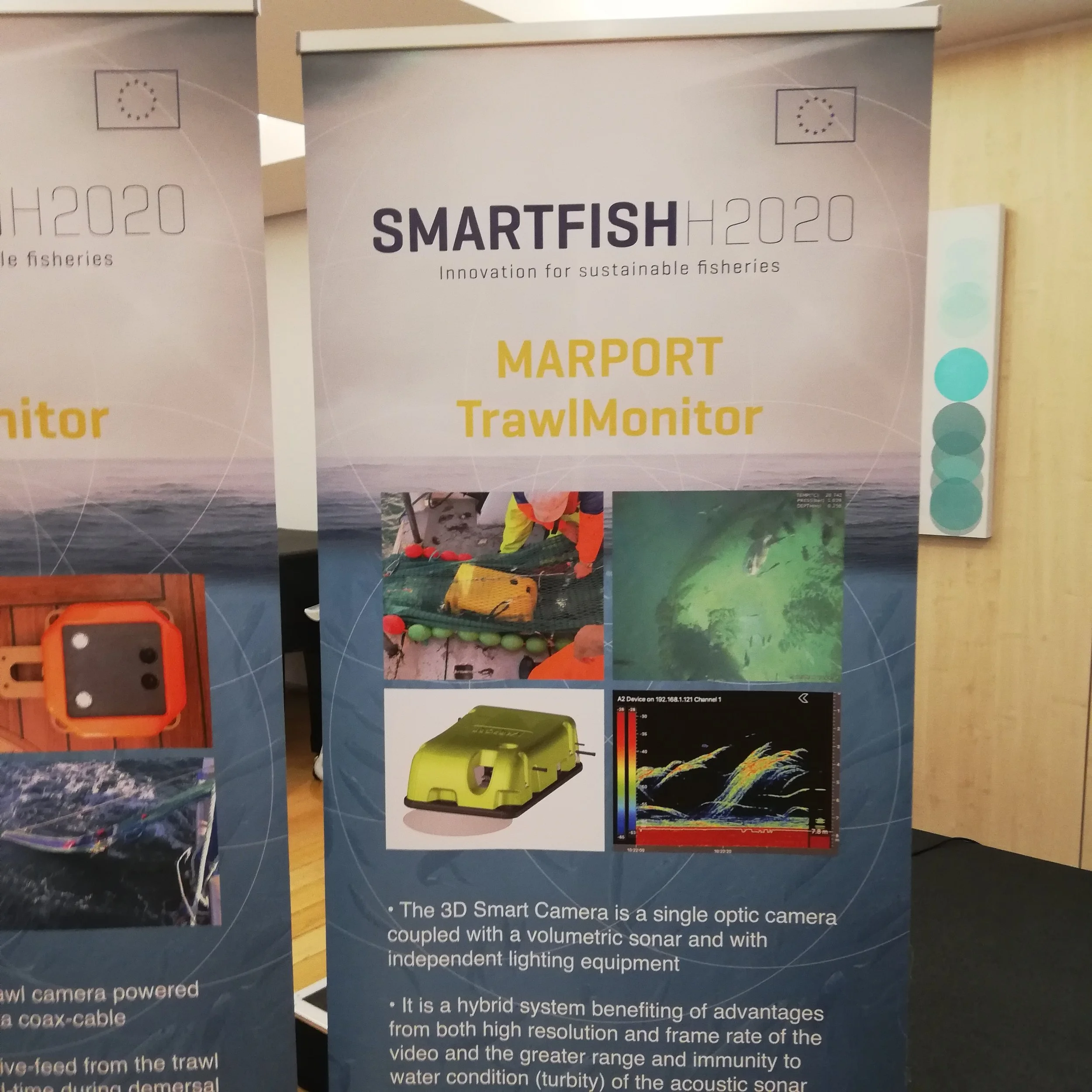
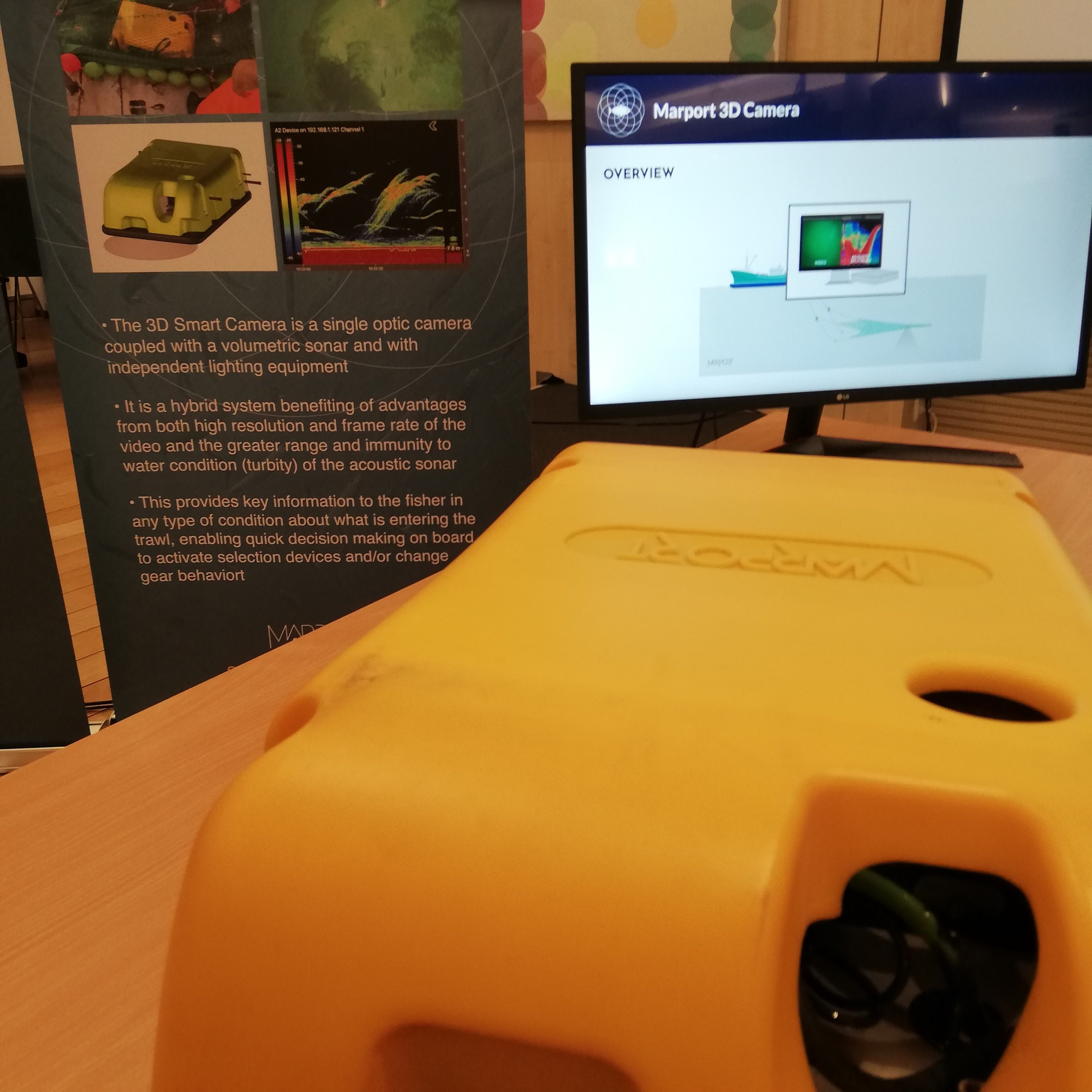
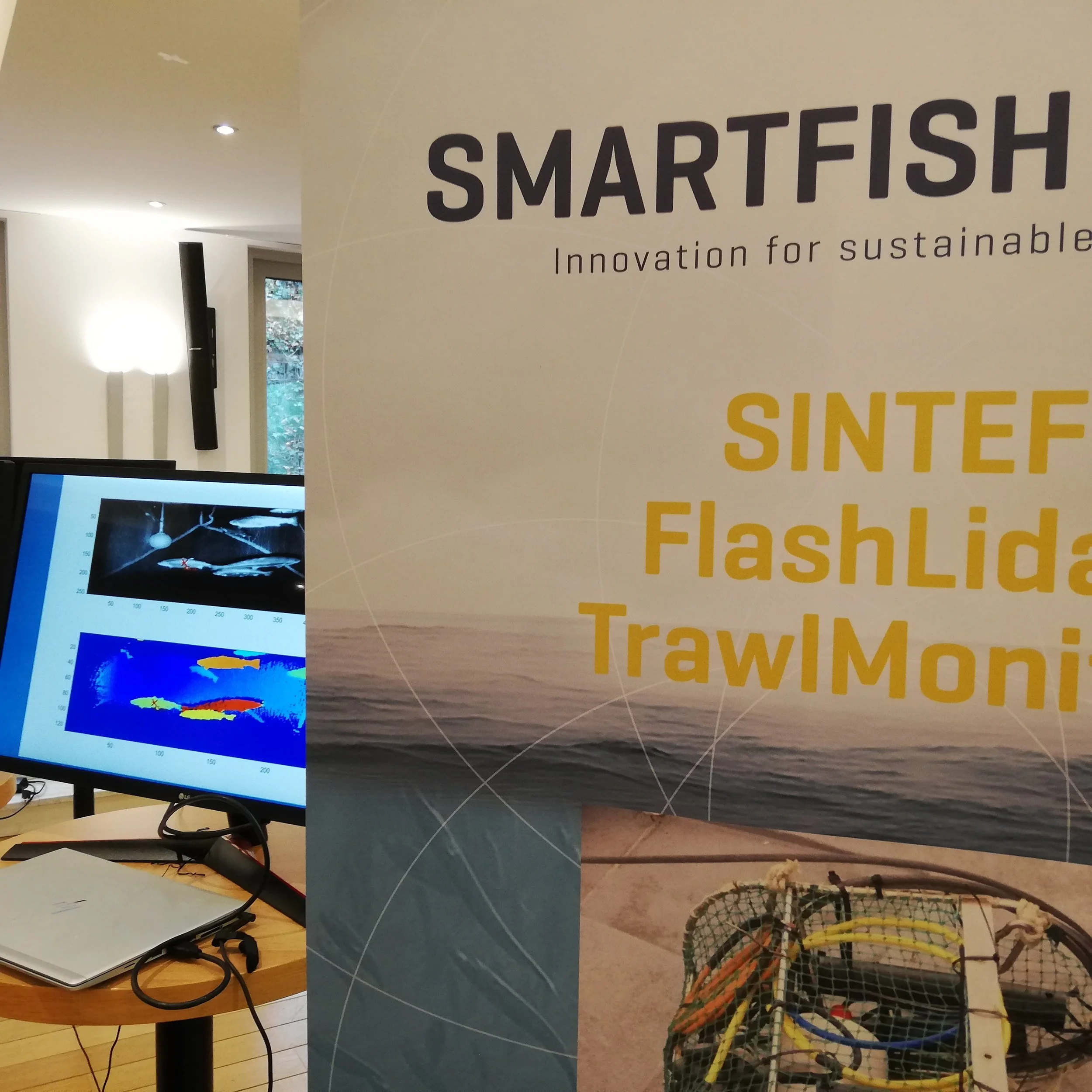
To present results from the European smartfish project, a mini-symposium was organized at Norway House (the Norwegian embassy) in Brussels last week. What was on offer: some of the latest high tech for commercial fishing activities to optimize their resource efficiency, improve automatic data collection, monitoring compliance to overall reduce the ecological footprint of the extraction industry. Some hardware that was on display included: catch scanners - cameras that register and identify (via AI) catches on conveyor belts, underwater cameras that monitor what enters into a net to allow for real-time decisions whether to continue fishing or not (see an earlier post when I joined a field trial in Denmark). Acoustic triggers (from marport) to a receiver with a release mechanism to close a codend underwater. This can come in handy for actively manipulating catch compositions. For example, a skipper can decide to close the codend as soon as the target species enters the net, thereby reducing the amount of unwanted bycatch. Visual light sensors to illuminate parts of fishing gear to either attract target or deter unwanted bycatch species to eventually improve trawl selectivity. if you are interested in more detailed results of how these technologies can make fishing more sustainable, feel free to get in touch and I can connect you with the involved researchers and technology experts.
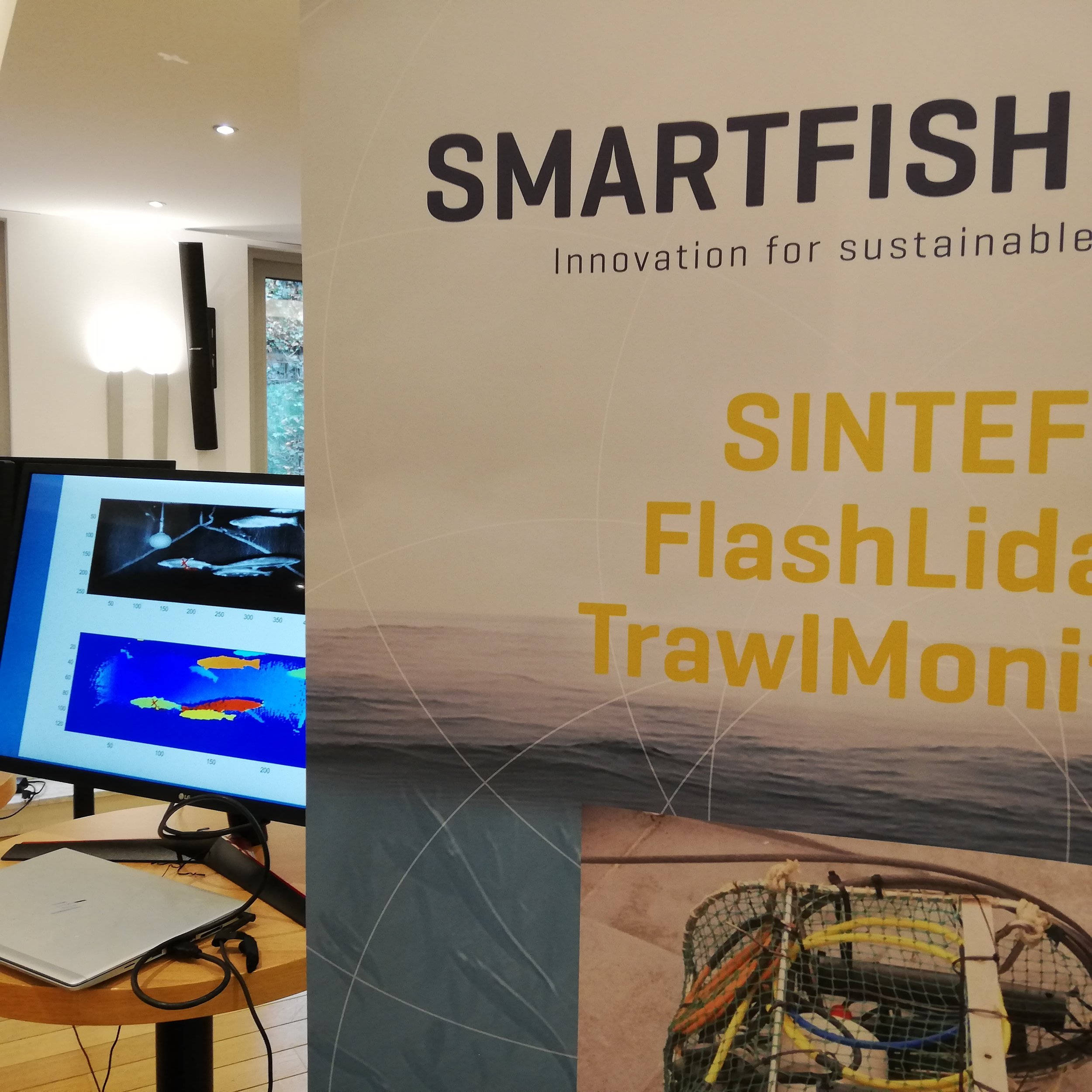
TrawlMonitor camera
Underwater camera system for real-time images from inside the fishing gear.
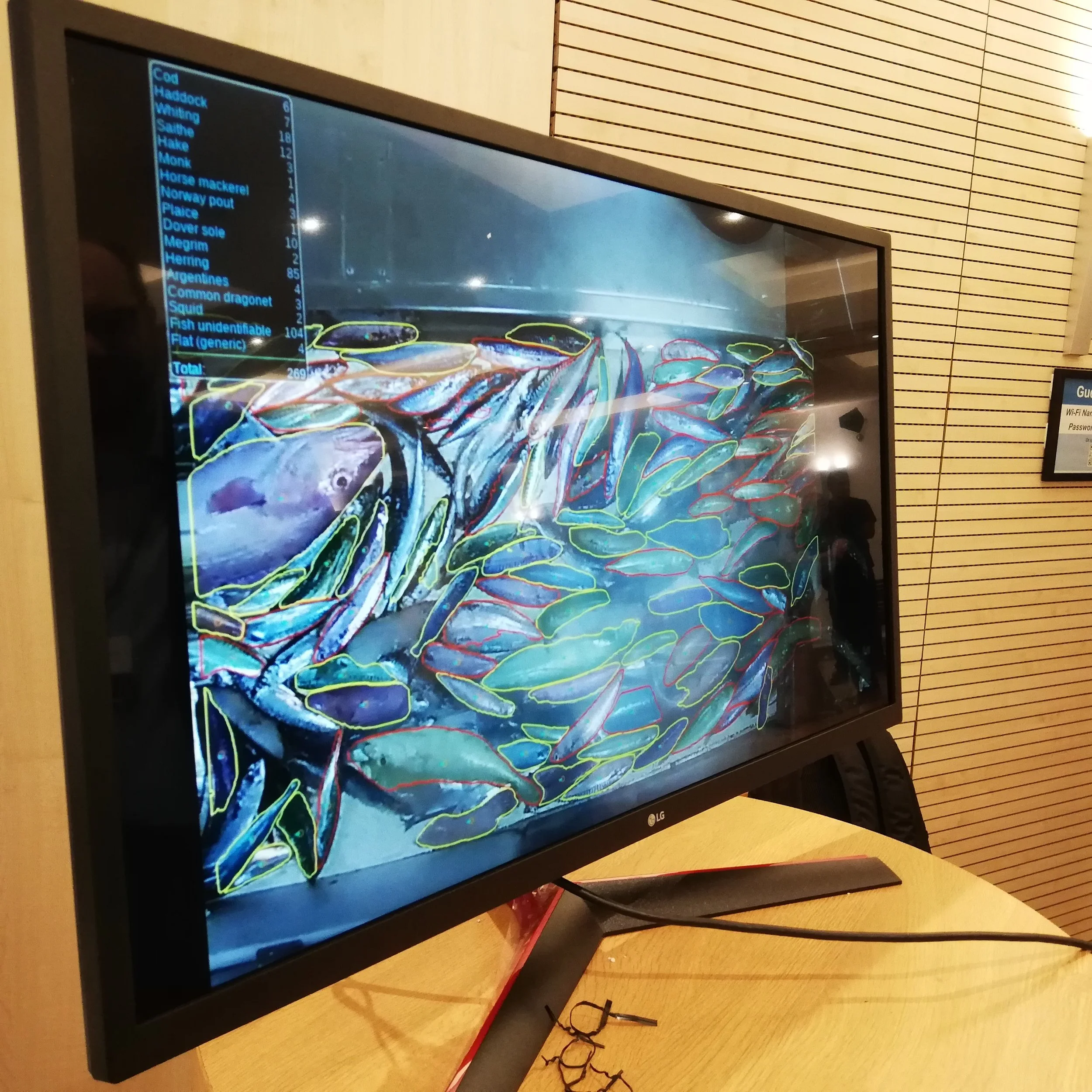
Electronic monitoring
AI-based species recognition and count of catch compositions.
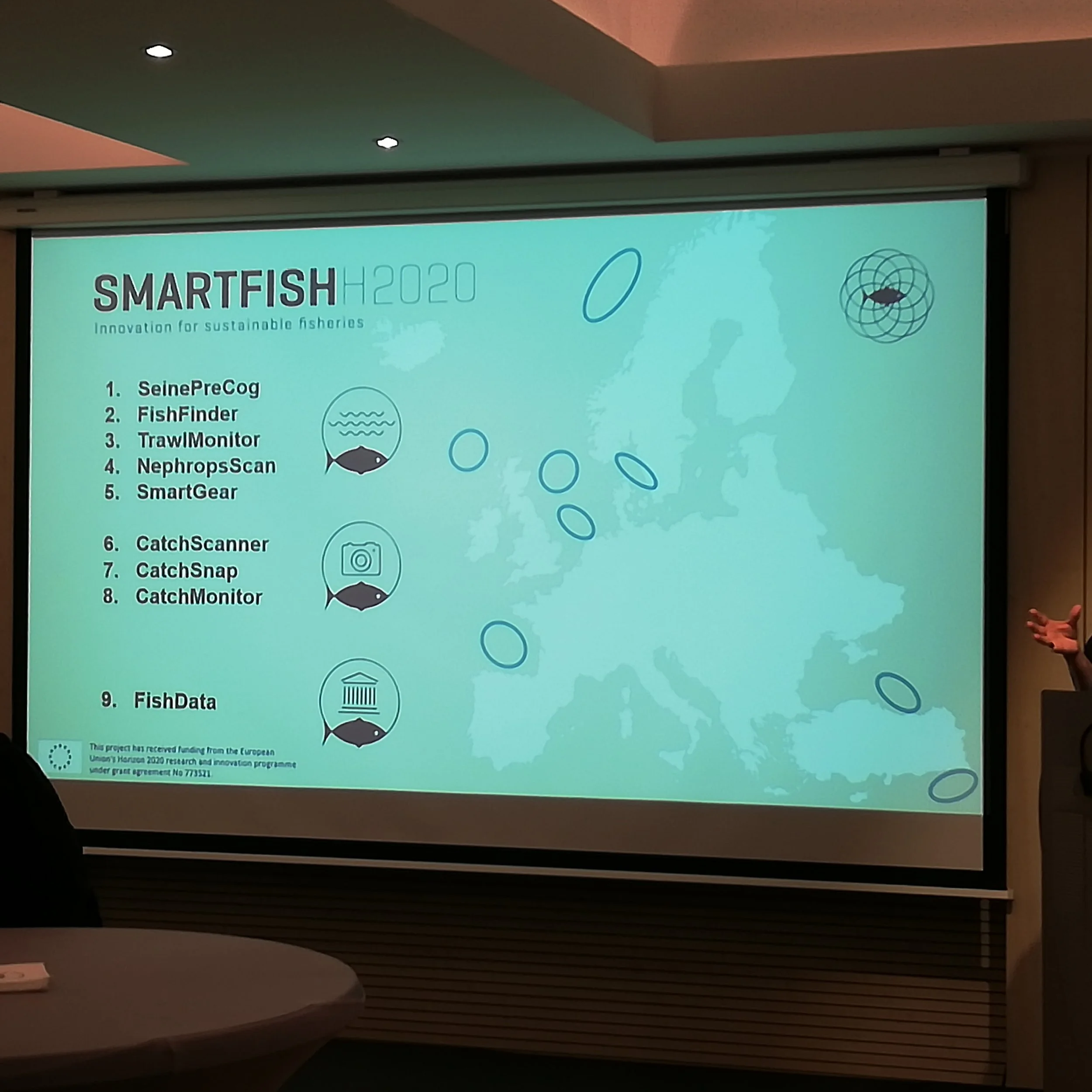
Overview of technological advancements
Hard- and software products forthcoming from the smartfish project.
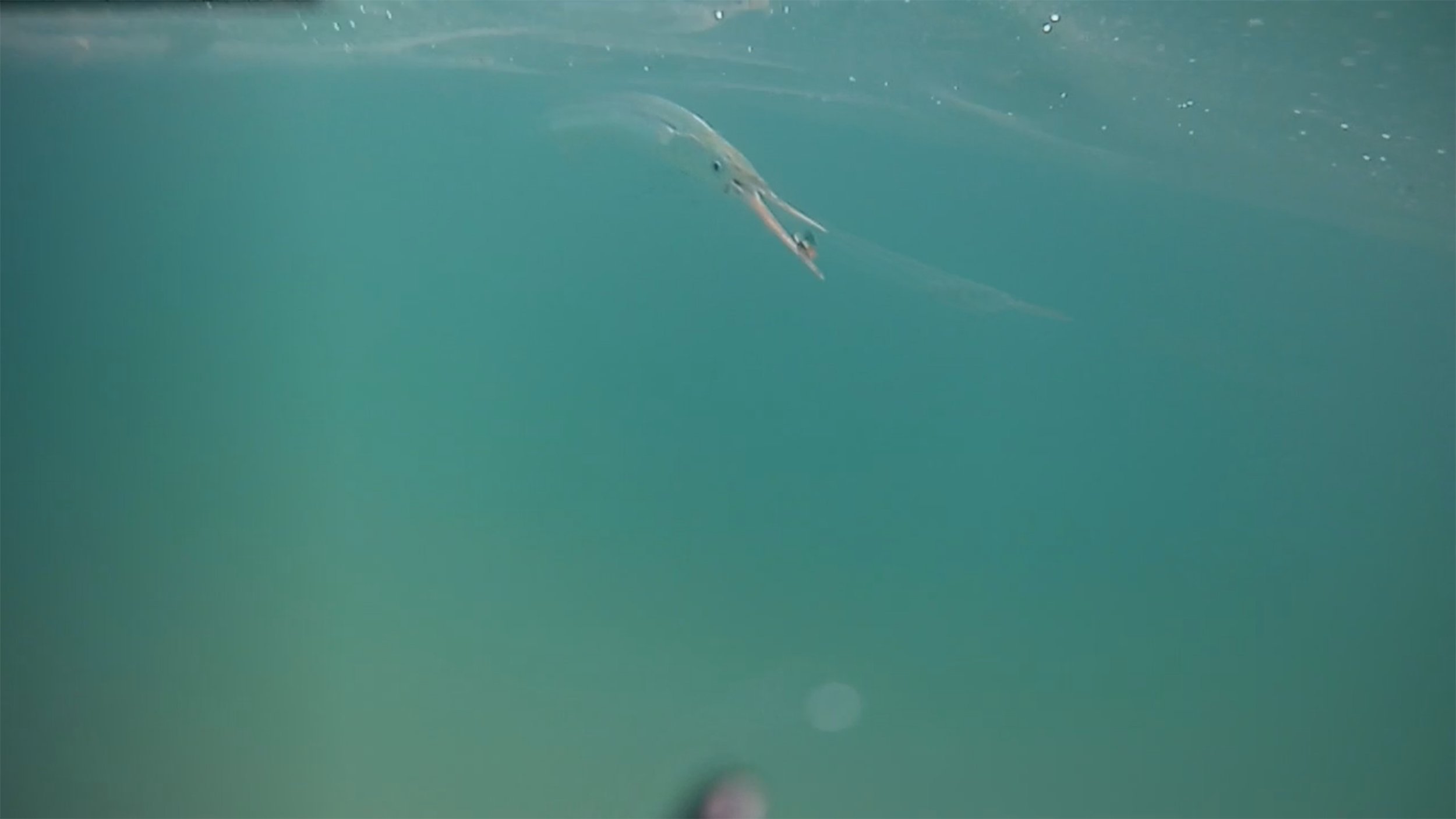
Do you know any other hook-less angling techniques?
Apart from fishing with a camera for underwater trophy shots, what other ways of hook-less fishing do you know where you can still get a thrill of action? A quick google search returned hook-less fly fishing, or as I experienced myself this year, fishing for garfish by using a bit of silky thread - it works a treat apparently by snaring the sharp teeth among the fine twine. Hybrid angling worked as well: sometimes without a hook, sometimes with.
Log your catch......What’s app?
Widespread use of mobile phones, even in remote locations, are an enabling technology to collect catch data from wild-capture recreational and commercial fisheries. This paper by Julia Calderwood provides a relevant review of what this technology can do and what not. It is open access, so you can download a free PDF here.
Australian Society for Fish Biology Conference 2022 is coming up.....
The ASFB is an exciting conference for anyone interested in fish and fisheries. The keynote of day 1 sounds like a cracker (see abstract below) - it will heavily feature the pioneering work of the FishID platform - I held some talks with one of their scientists last year - hopefully a collaboration will eventuate in the not so distant future:
Fish-n-Chips: supercharging fisheries science with computer vision
Rod Connolly 1
Griffith University, Ashmore, QLD, Australia
The revolutionary use of automation combining computer vision and big data analytics is finally coming in to land in fisheries science! The presentation will explain opportunities and challenges that researchers and managers face in automated monitoring of fish abundance, biomass, and behaviour. Computer vision on robust and inexpensive camera systems can be particularly valuable for increasing efficiency and reliability in monitoring that is currently difficult, dangerous or prohibitively expensive. It can supercharge science. It can improve management – of wild fisheries and aquaculture. Increased automation is helping in stock assessments, and in monitoring to detect trends in the abundance and biomass of fish and benthic animals. Computer vision is also enabling more efficient monitoring of the extent and condition of fish habitat, of the presence of invasive species, and of interactions among species. New analytics are being developed as we move from the traditional scenario of having samples sizes that are often too small to be reliable, to a scenario of having far more data than fits on a hard-drive! So automation is creating new training needs and opportunities. There is a need for mentoring of graduates in statistics, for QA-QC, and for coping with embedded pseudo-replication. And always there is the imperative to sharpen our focus on outputs that inform actions.
Hook-less predator fishing with an underwater camera
A European perch (Perca fluviatilis) hits a thrillseeker chatterbait. Thank you very much to the diving association that allowed me to spy with a hook-less underwater camera contraption in "their" backyard.
Celebrate participatory ("citizen" or "community") science.....
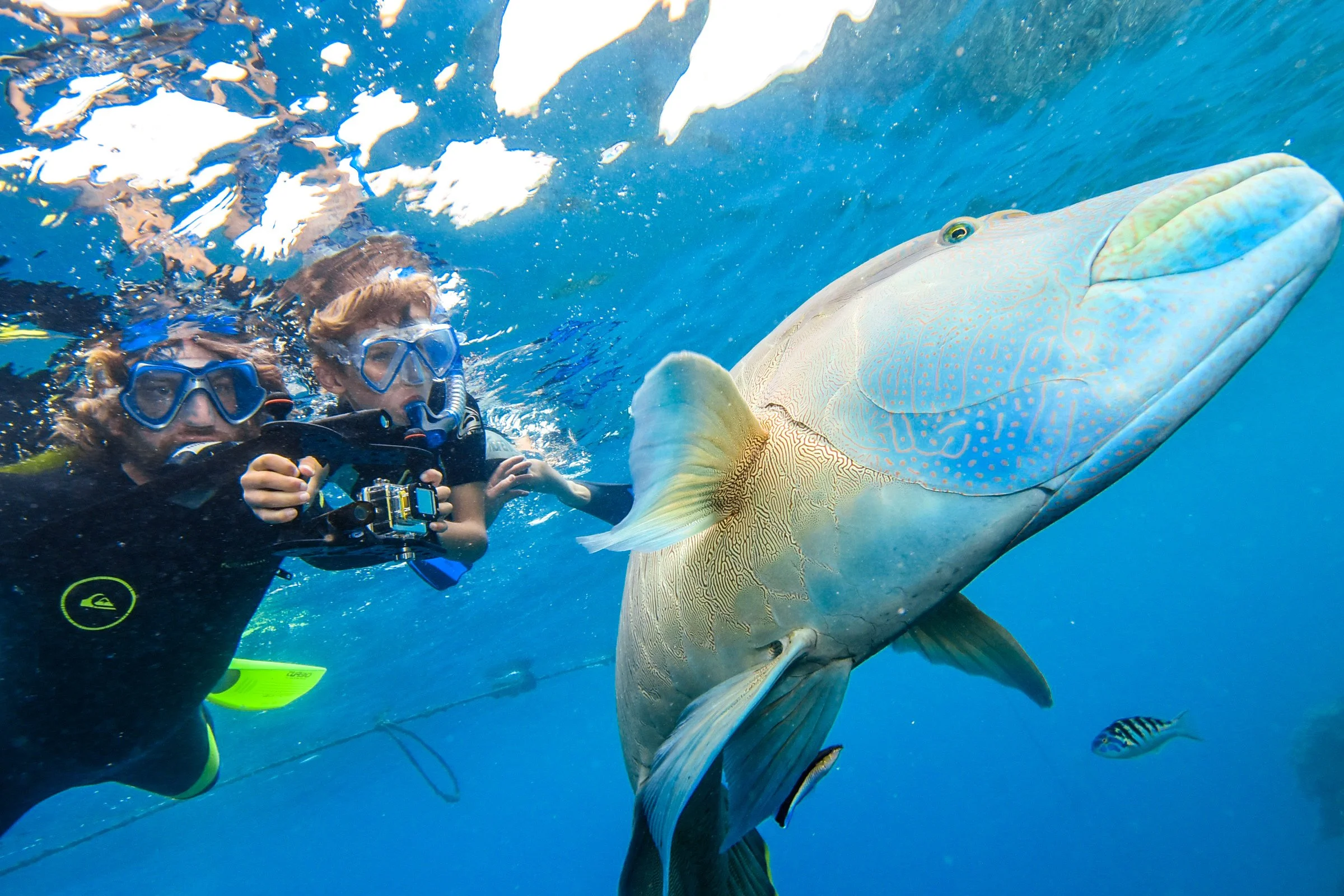
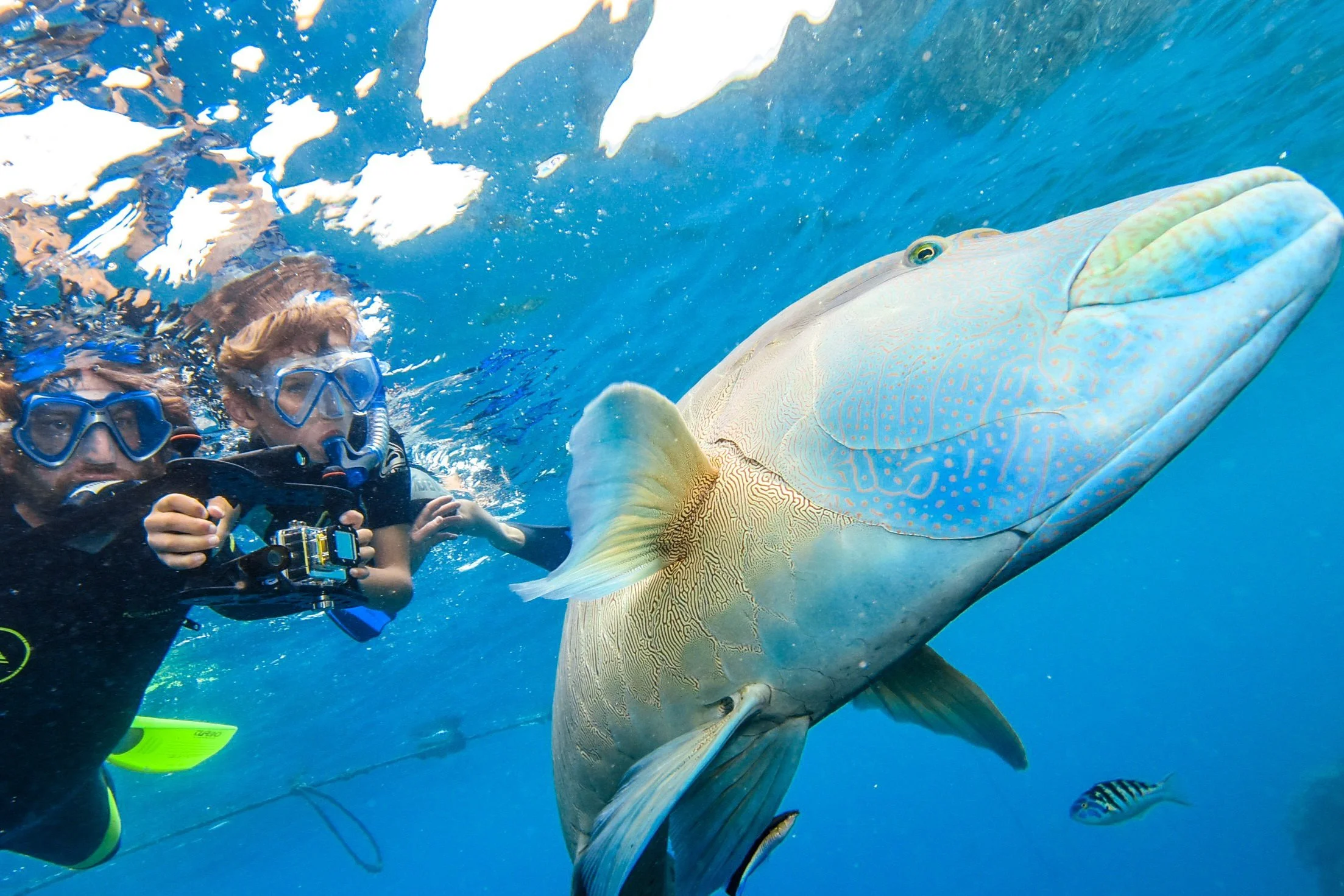
…..with some hook-less camera angling. I am happy to announce drsnapper’s upcoming participation at an open Science Day at the VUB university.
Maritime hackathon in The Netherlands
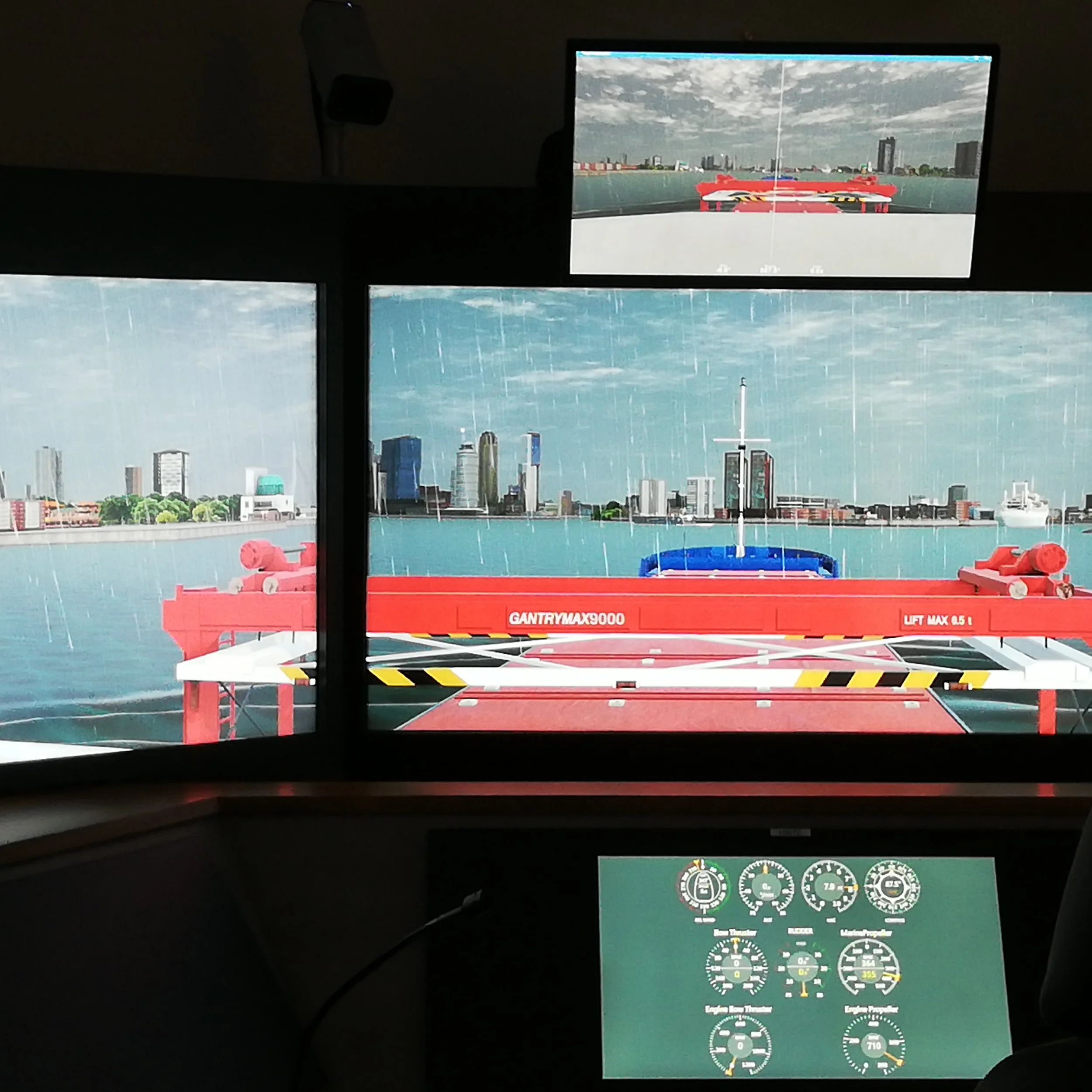
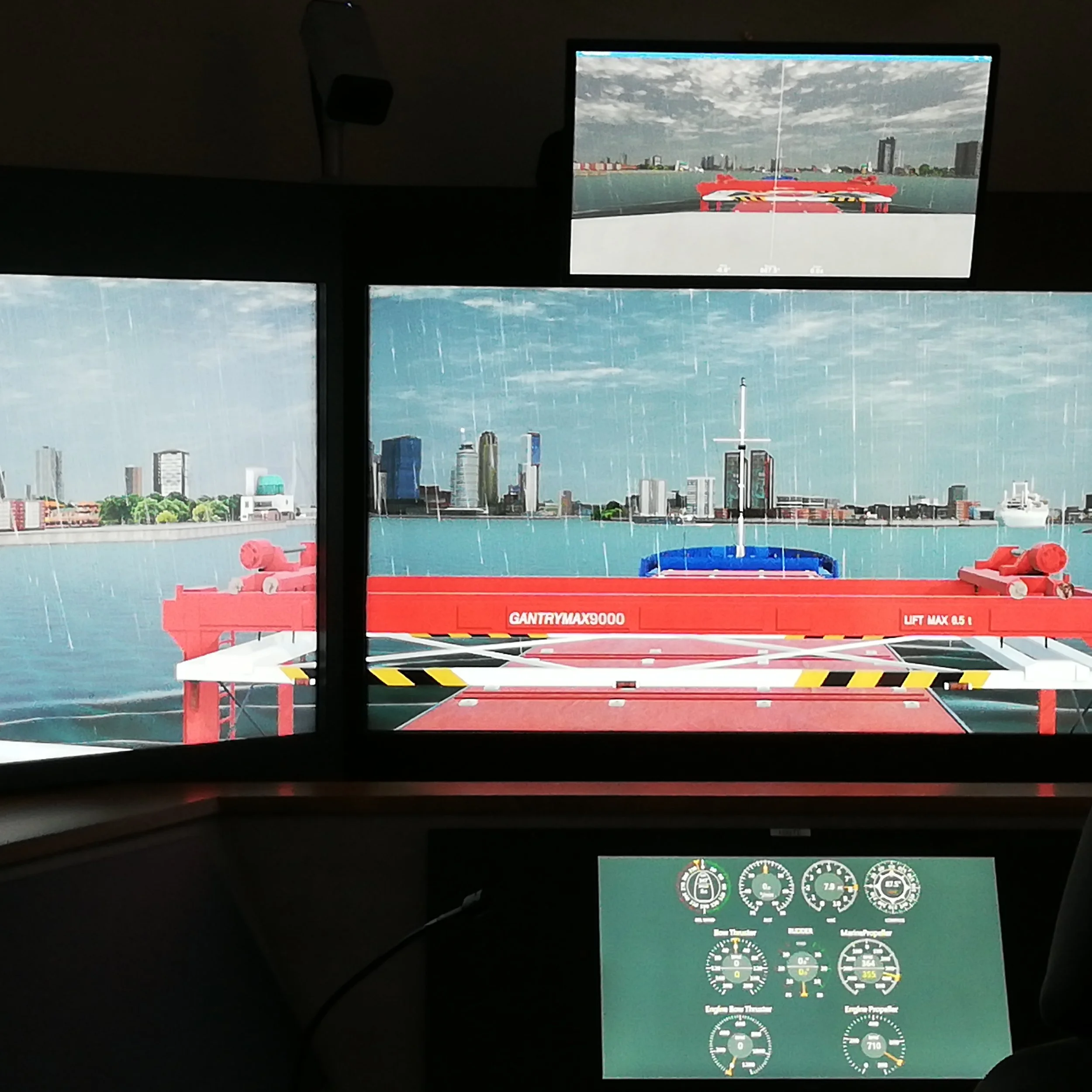
Last week, I was thinking up some ideas to pitch at the maritime hackathon in Urk, The Netherlands. I have signed up for the challenge: Data on-board - how does the future fisher navigate a sea of data? It feeds in with the work I presented last year at the World Fisheries Congress: “Catching Data: an integrated platform for science-industry collaboration on vessel-based data collection, analysis, and application”. Previous hackathons with open data have been a great succes. For example, the Open Sea lab from EMODnet. So fingers crossed that some of the ideas turn into real gamechangers.
The opportunities of fishing vessels are huge to provide valuable data that create win-wins for the sector as well as other stakeholders, including science and the wider society by improving the transparency of sustainable operations. Examples are the vessels of opportunities in Australia. There are already some up-and-coming enterprises that enrich and visualize (aggregated) data and enhance prediction tools (such as efice and weforsea) and platforms (such as iliad and djustconnect.be to name a couple). However, the market may not be ready yet and competing business interests may hamper visionary progress and large-scale, harmonised implementation and uptake. Having a data standard such as the poseidat format is a perfect departure point facilitating trans-national uptake. So far the challenge is to find a viable business model that makes ends meet and provides an incentive for fishers to keep on logging, sharing within safe boundaries safeguarding their genuine business interests and trade secrets, and adding sensors and instruments to their quiver. Improvements of catching efficiency as decision-support tools and transparent fishing with high quality and real-time data exposing and sharing operational information for a better market price (see examples from Norwegian’s pelagic industry) are possible. But exact revenue margins remain blurry at the moment, causing hesitation to invest. From fishers for fishers is the key motto. A low-hanging fruit are weather data from on-board weather stations. Every larger vessel has a sophisticated unit given its importance in monitoring when and where it is good and safe to steam and fish. These data can be shared with weather forecasting services to improve weather predictions and will eventually make shipping and fishing a safer industry.
How anglers can spread invasive species and at the same time prevent it from happening
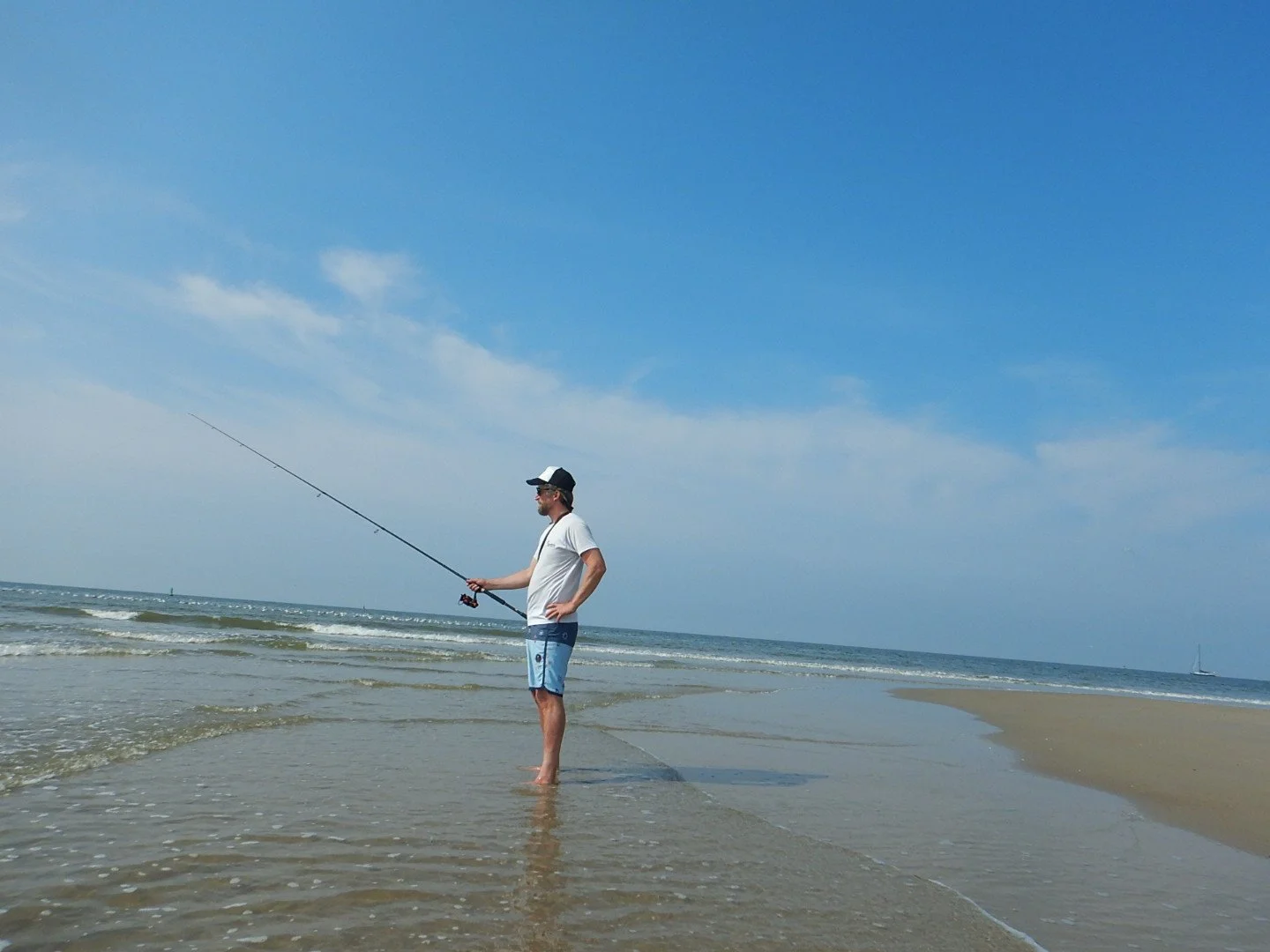
In an interesting article a team of researchers have analysed movement data of anglers by tapping into their GPS coordinates when using the popular fishbrain app. By tracking and mapping the angler’s movements identified superhighways and gateway locations where invasive species can get a chance to spread as soon as different water bodies are fished within a short time increasing the risk to transfer eggs, larvae or grown individuals of invasive species by accident from one waterbody to another. This makes the anglers part of the solution as well by modifying ingrained habits slightly. In a blog it was stated that “for example, avoiding fishing in different waters in the same, seven-day period can help to prevent the spread of invasive species across different waters. Cleaning angling equipment between uses is another useful step.”
Novel underwater camera system for commercial fishing
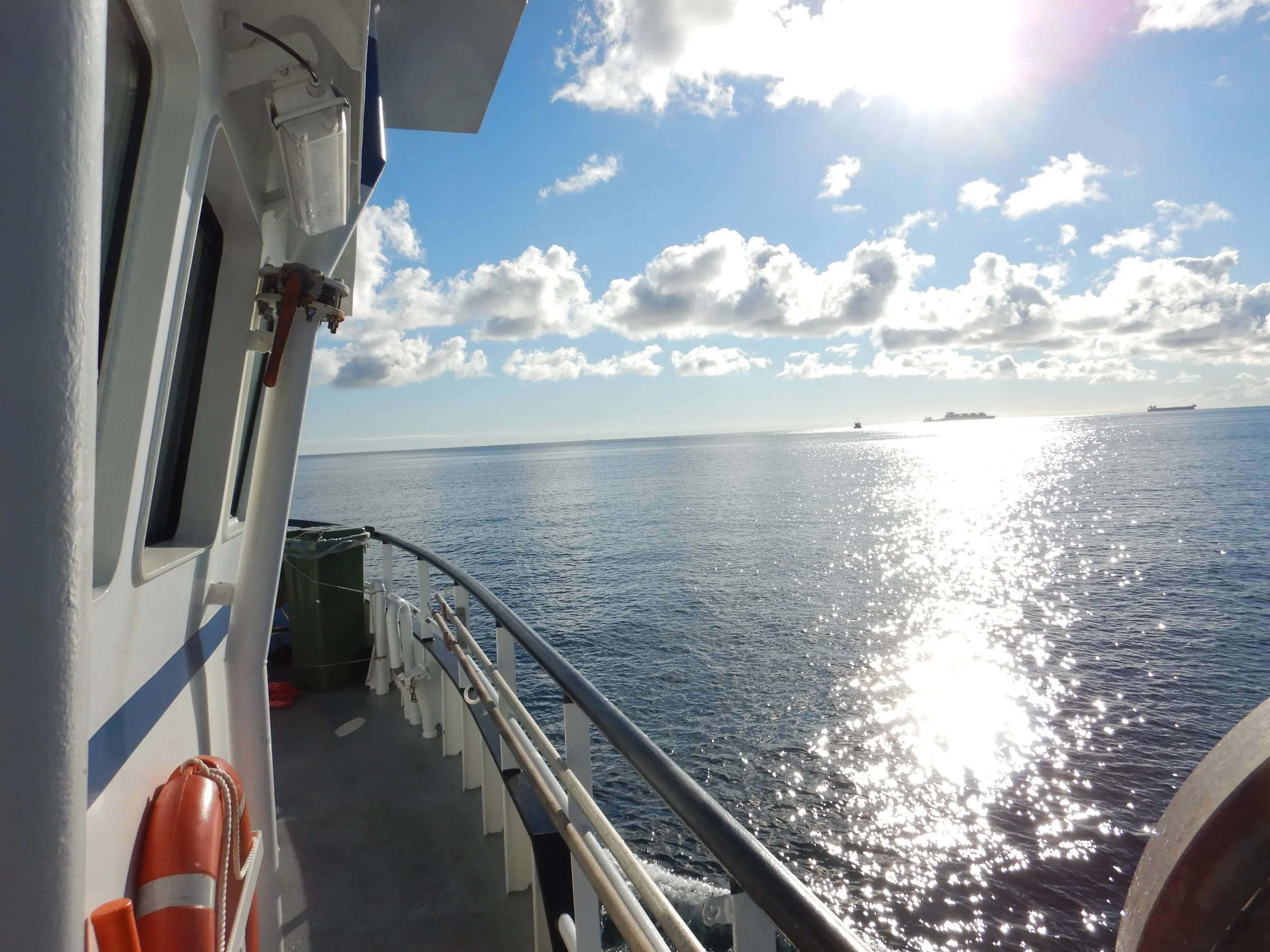
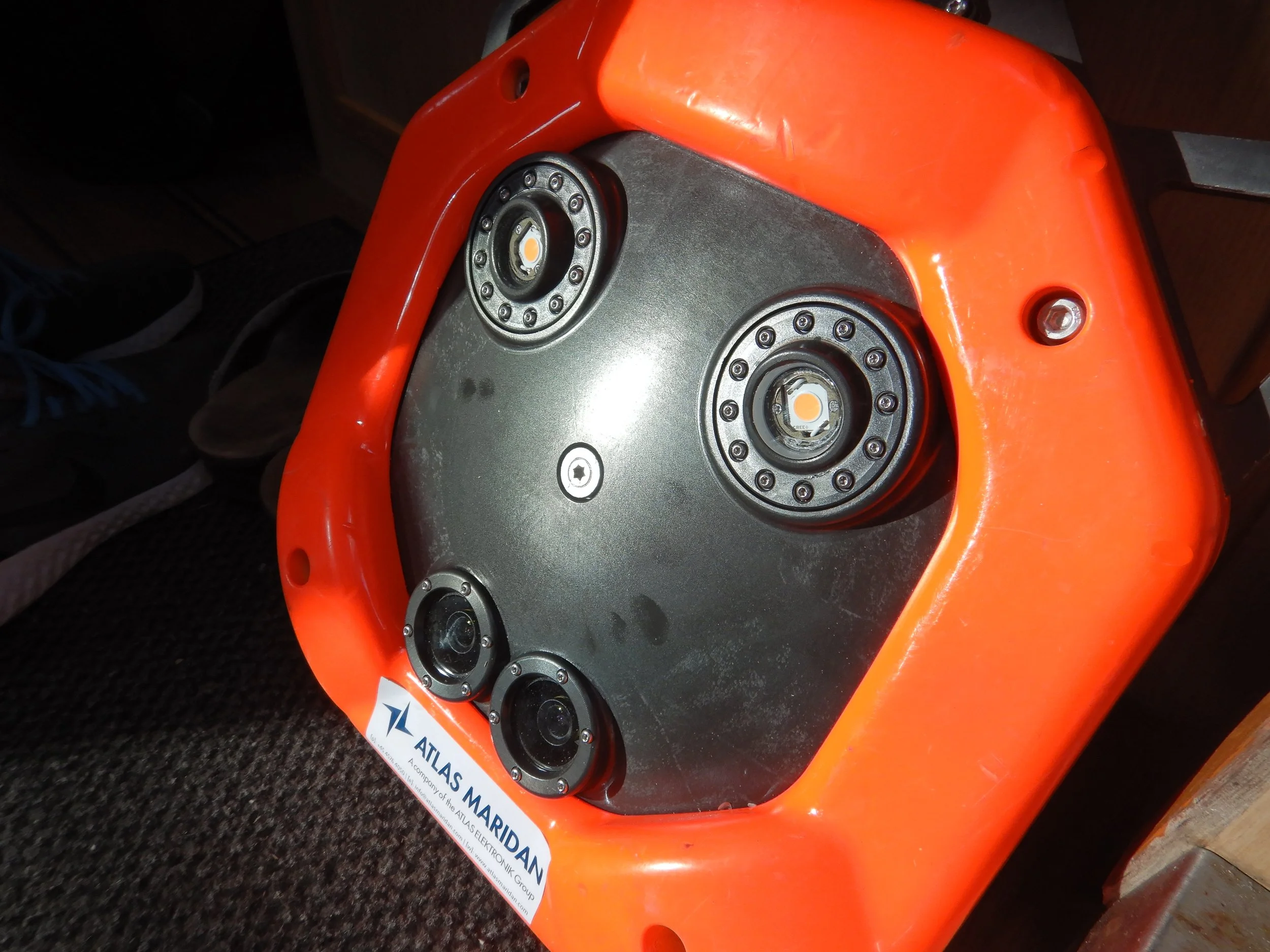
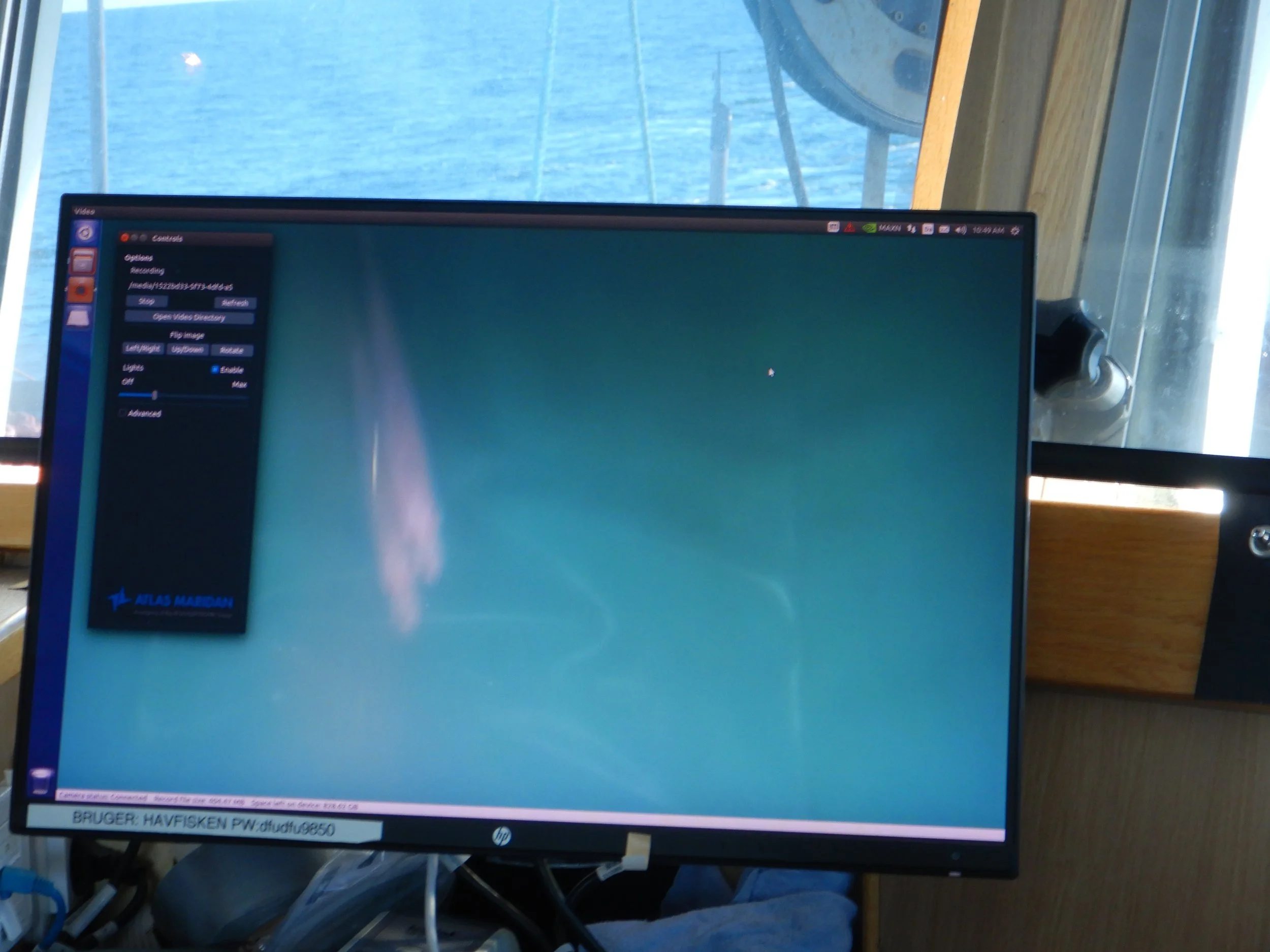
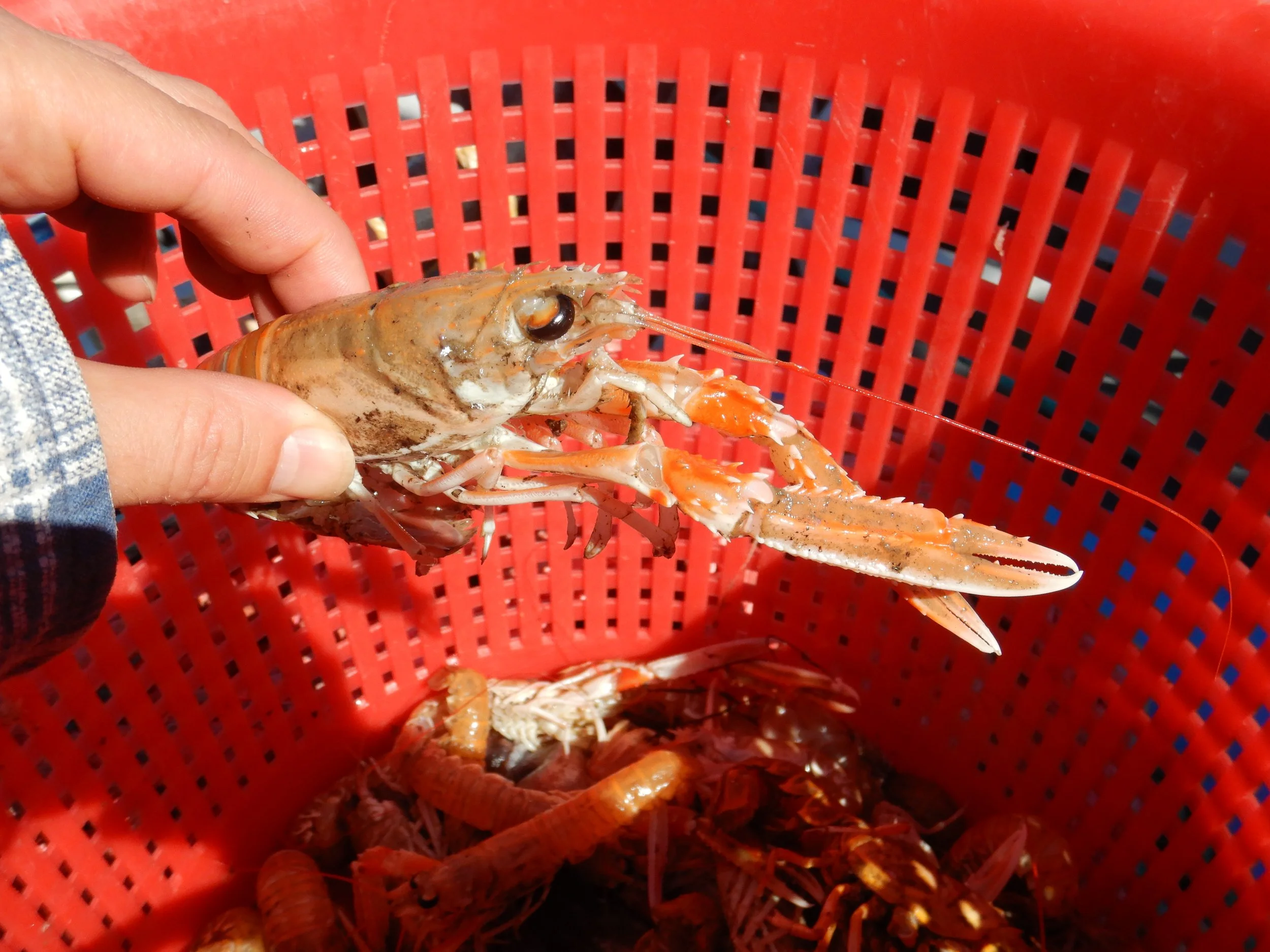
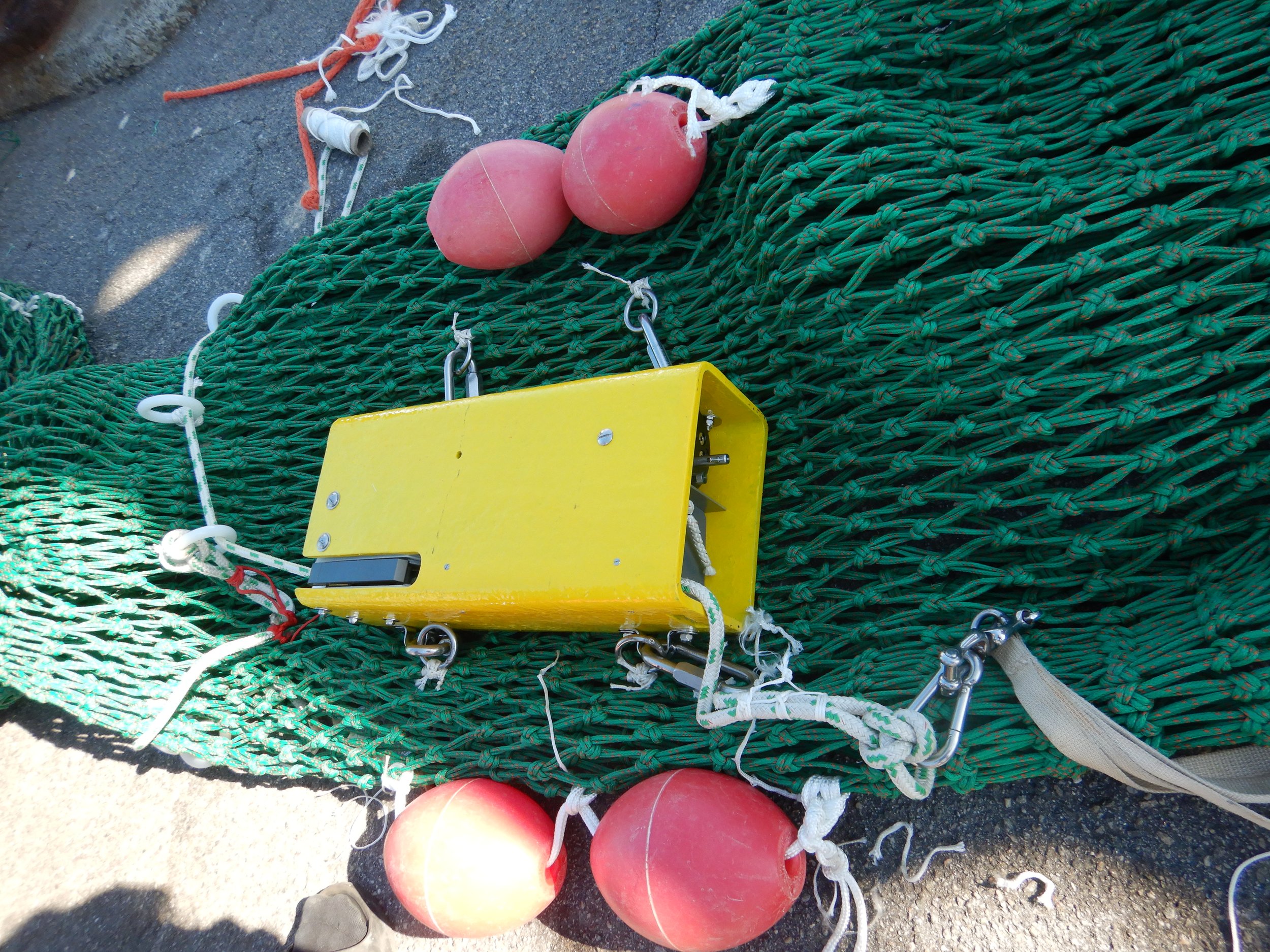
Blue skies, pure sunshine and clear water in Northern Denmark provided the perfect backdrop for an experimental fishing trial of #DTUAqua to promote the application of a novel underwater camera system that gives a real-time underwater view of all species entering the last part of a trawl net. This camera has been purpose built to fit inside commercial fishing nets, with integrated lights, together with smart tarpaulin sheets to quarantee clear water and good contrasts, it works a treat. All species that flush into the codend can be easily recognized when zipping past the camera inside a funnel-shaped, narrow section of the net. Welcome to modern, technology-driven 21st century fishing. Fishing blind in not really knowing what enters the nets seems a thing of the past. There are plenty of applications that create a win-win for all involved in the big game of hunting fish: fishermen, scientists and managers. For example, as soon as unwanted bycatches (such as undersized cod) enter a net designed to capture Norway lobster, a fisher could decide to haul in the net already, that way avoiding the capture of a less-valuable species or for which less quota is available. There are also trials ongoing as I write with an acoustic mechanism to close the codend remotely underwater only when the target catch starts to enter. This gives the fisher the power to actively manipulate catch composition and eventually catch less but keep more.
Five reasons why (hook-less) camera angling is fun
-
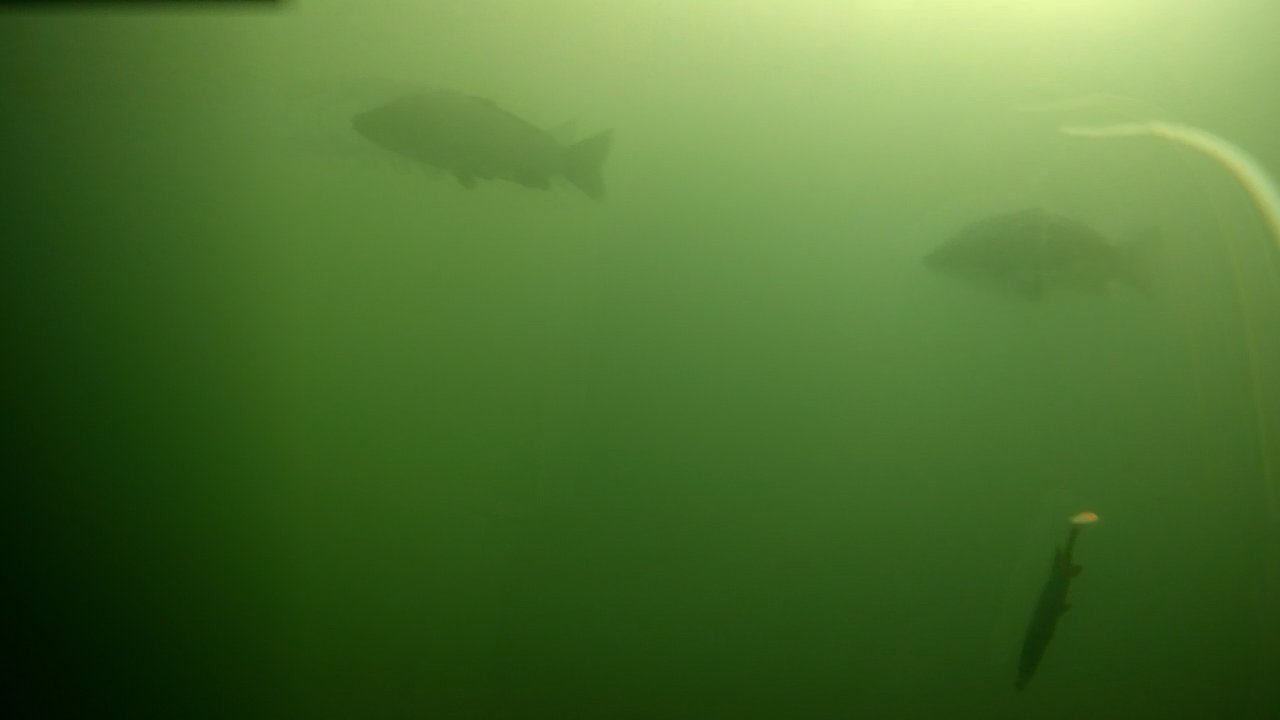
Without an underwater view you sometimes go home empty handed, no catch, no release, no bbq. But you never know, you may have caught some action on camera. I enjoy reviewing some footage (as tedious as it can be at times) and then be surprised by a sneaky fish face.
-
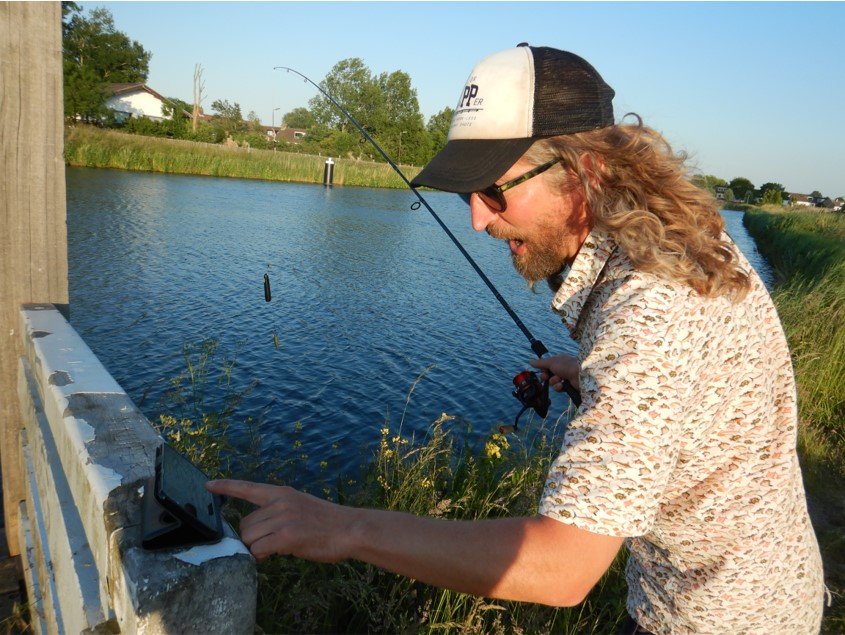
No hooks means less risk to get snagged. You do not waste money, do not pollute the environment, and do not harm any fish. A win-win for everyone involved in the game of camera angling. And it is also safer for yourself and your angling buddies: no hooks can unexpectedly cross-fire….
-
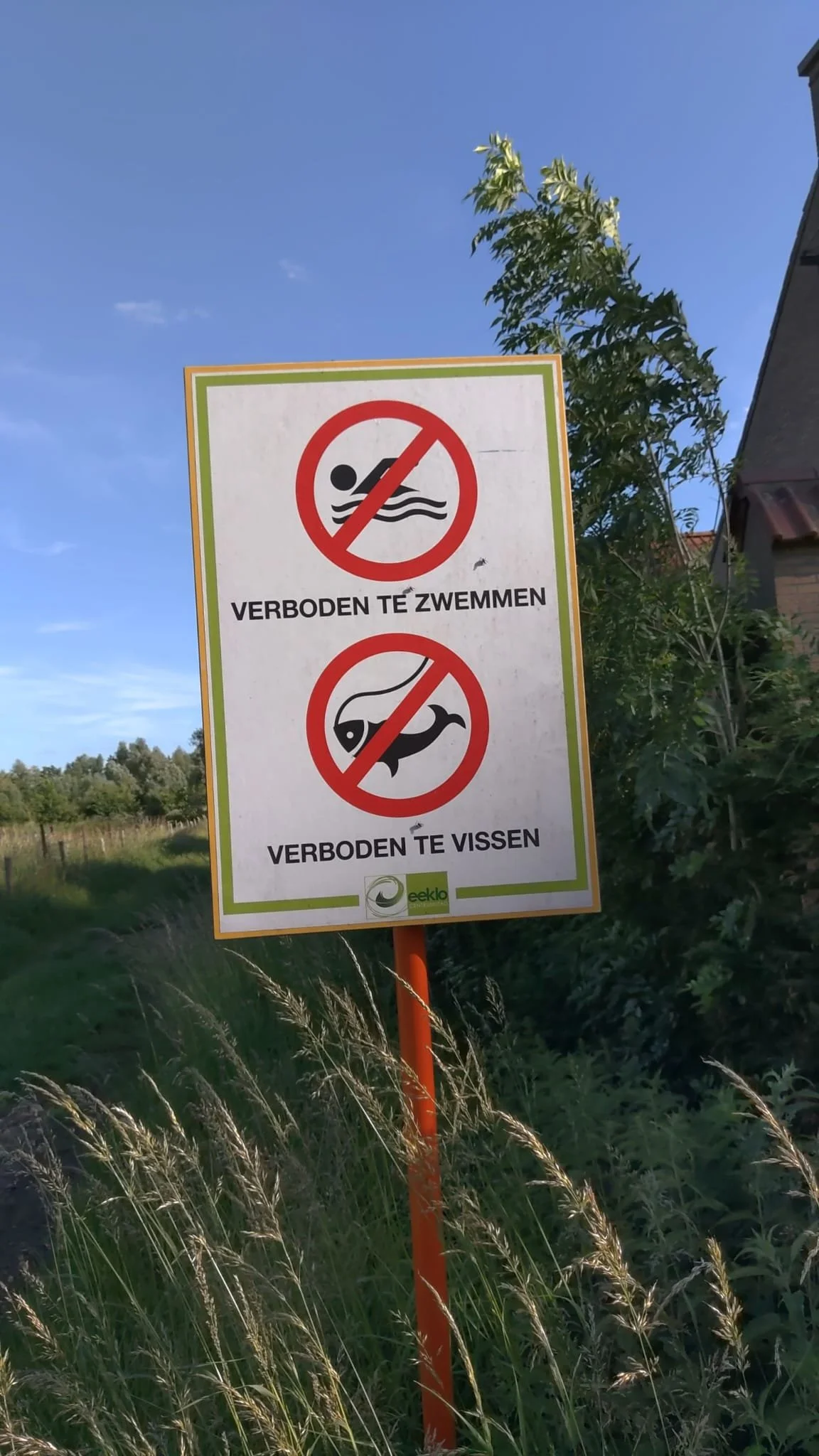
Deploying an underwater camera without “extracting” an organism, legally means you are not fishing and are in most cases free to “fish for footage” in places where others can’t go. I checked with a legal department in Belgium and got the green light. But before you turn into a guerilla camera angler, please check with your local authority.
-
Combining diving with angling - getting thrilled without getting wet. There is also a thrill element to it. You do not know what you caught. Arguably, there is less fight time involved, as you “only” reel in a camera after a bite or nibble and not an animal that is trying to evade predation in agony.
-
And the best thing: if you got lucky and caught an underwater trophy shot, you can review it as many times as you like, share and upload it. A memory well kept.
Experience it for yourself - it may not be the same than real angling, but still a ton of fun, animal-friendly, and relaxing way to chill in the great outdoors.
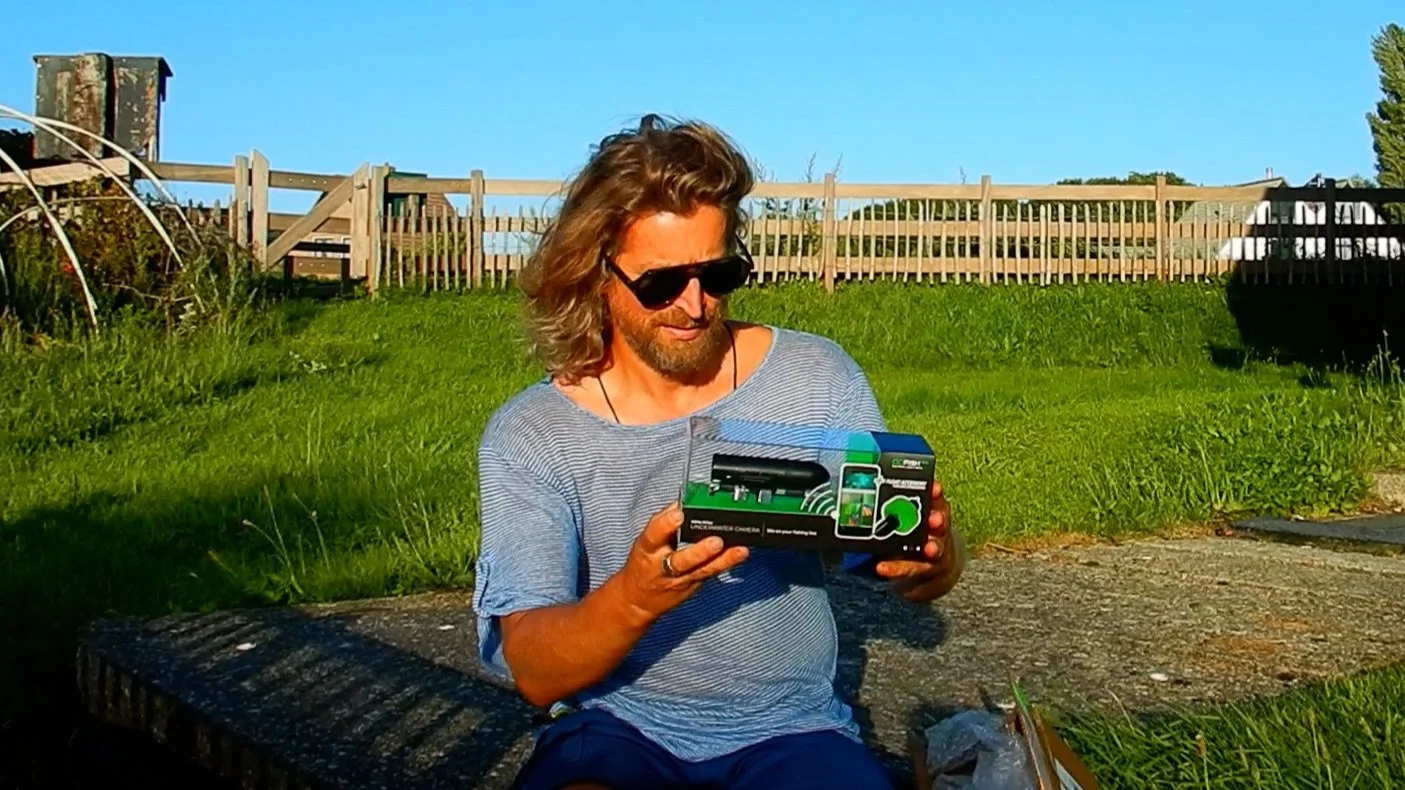
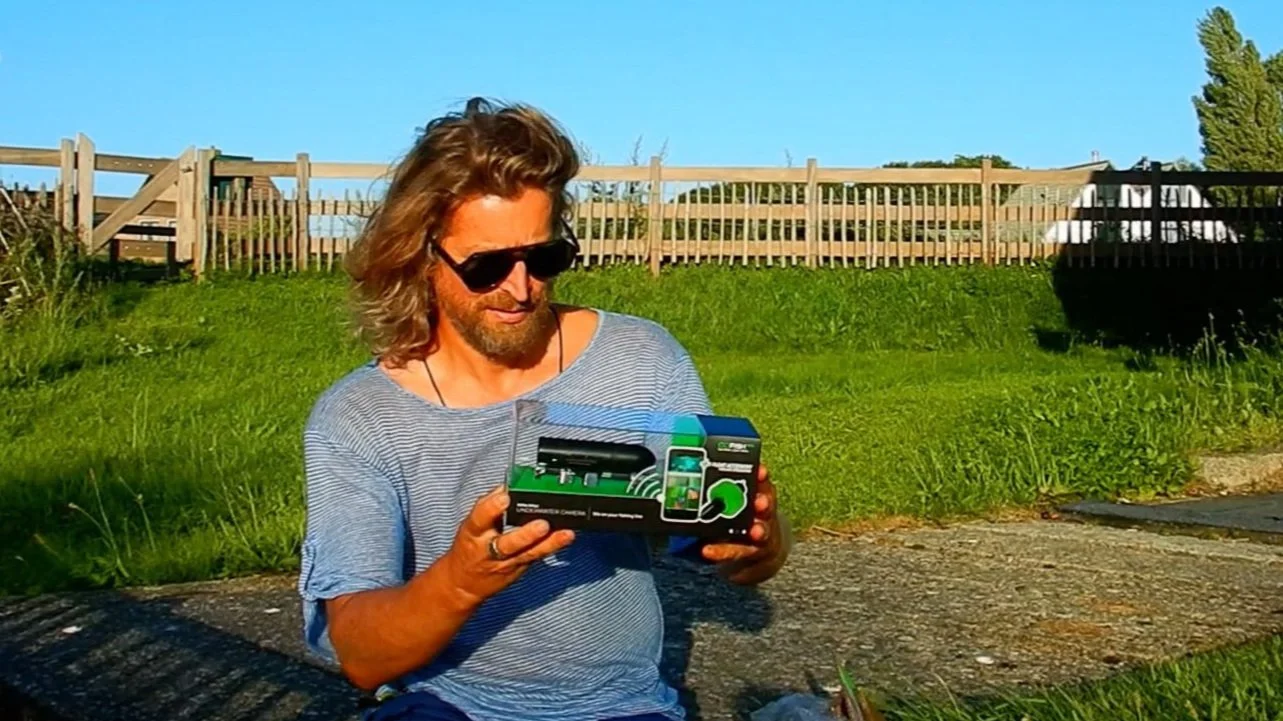
Drsnapper got lucky
Thanks a bunch to the guys @gofishcam for giving away one of their awesome cameras. I can’t wait to soak this baby in the brine and put it into action soon. Stay tuned for some trophy shots.
Hook-less holidays in the Mark Brandenburg
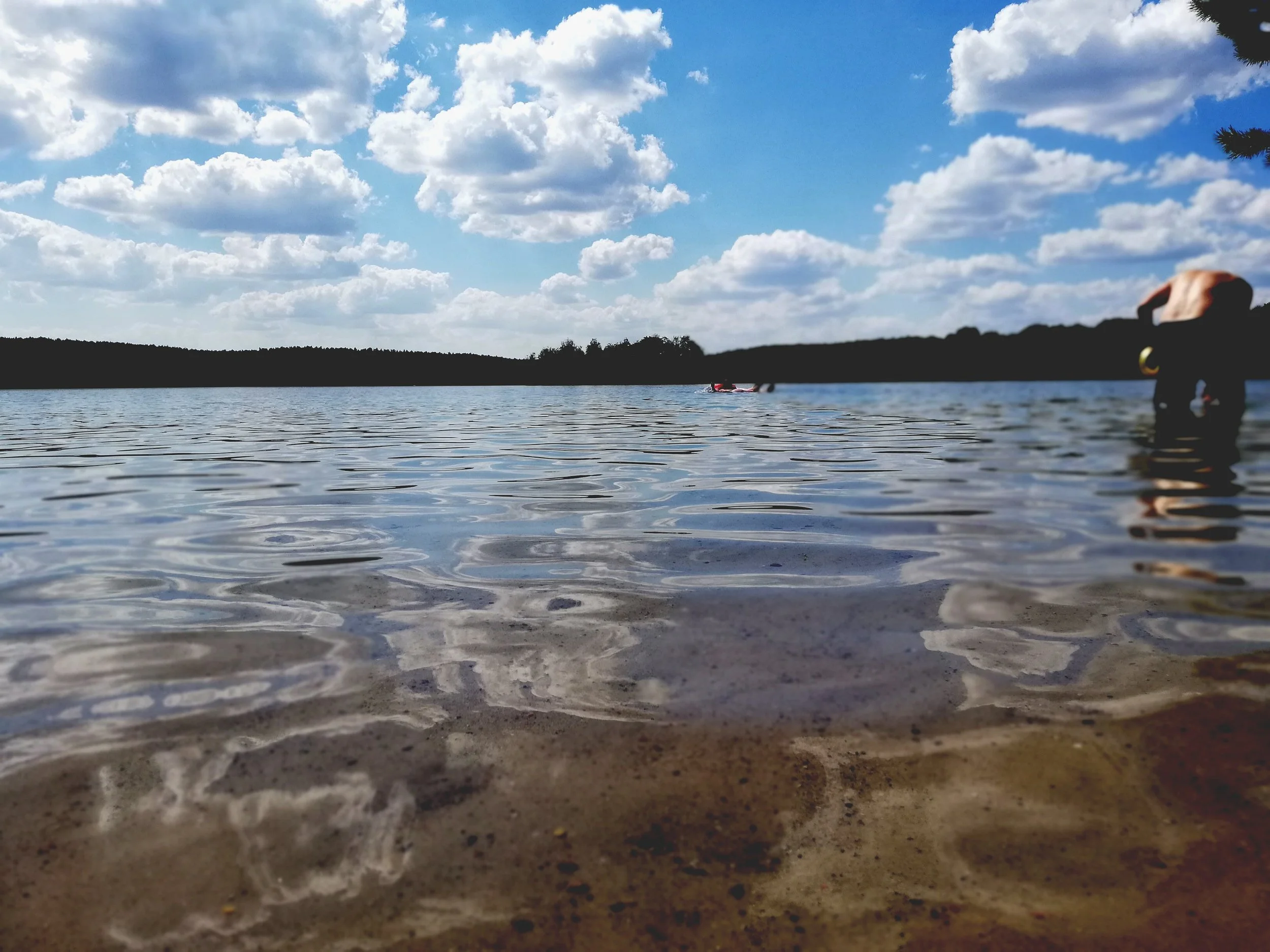
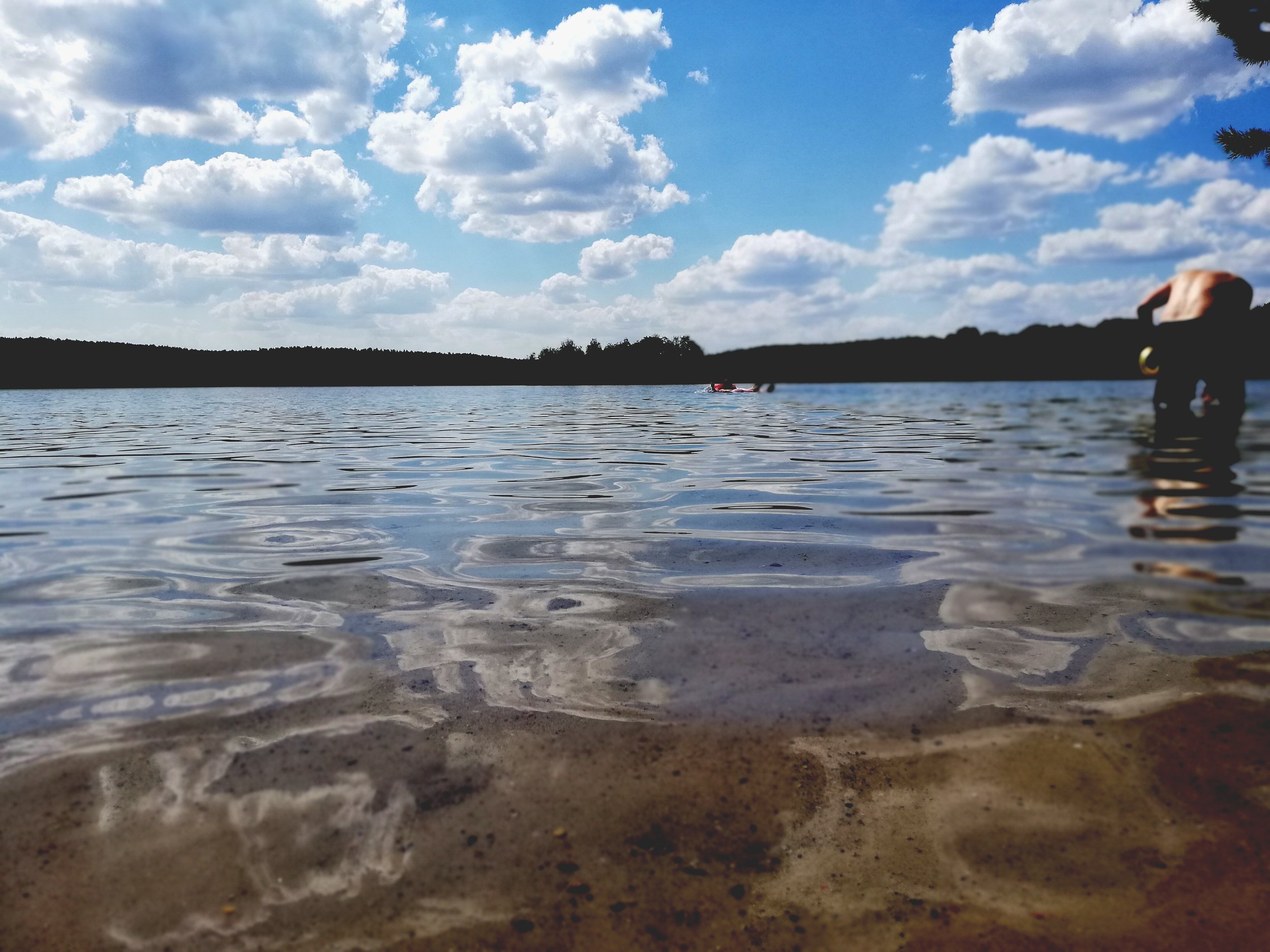
The heat of the summer days carries a lordly smile. Dry leaves and pointy pine needles crush as pringles under my shoes. The lake in front of me hides behind a glistening mirror of sun light, full of secret life. I fit my snorkel mask and dive in. The water is literally crystal clear. The white sand that provides an easy entry is a perfect backdrop for a tropical beach like underwater vision experience. Sun rays splinter through the surface and dance in line with reeds that waft above. The crisp cold water speaks in a Nordic tongue and licks my skin in delight. Some small European perch peek around my feet. I swim further out along the reed edge. This seems like a perfect hunting ground for a pike. A curtain of reed stems shield this year’s young brood from the unknown of the open water. I keep a look out for a slender silhouette. It is easy to picture how this skillful predator lurks in the shadows, observing, waiting for the moment to ambush an unexpecting prey.
Fisheries symposium in Ireland
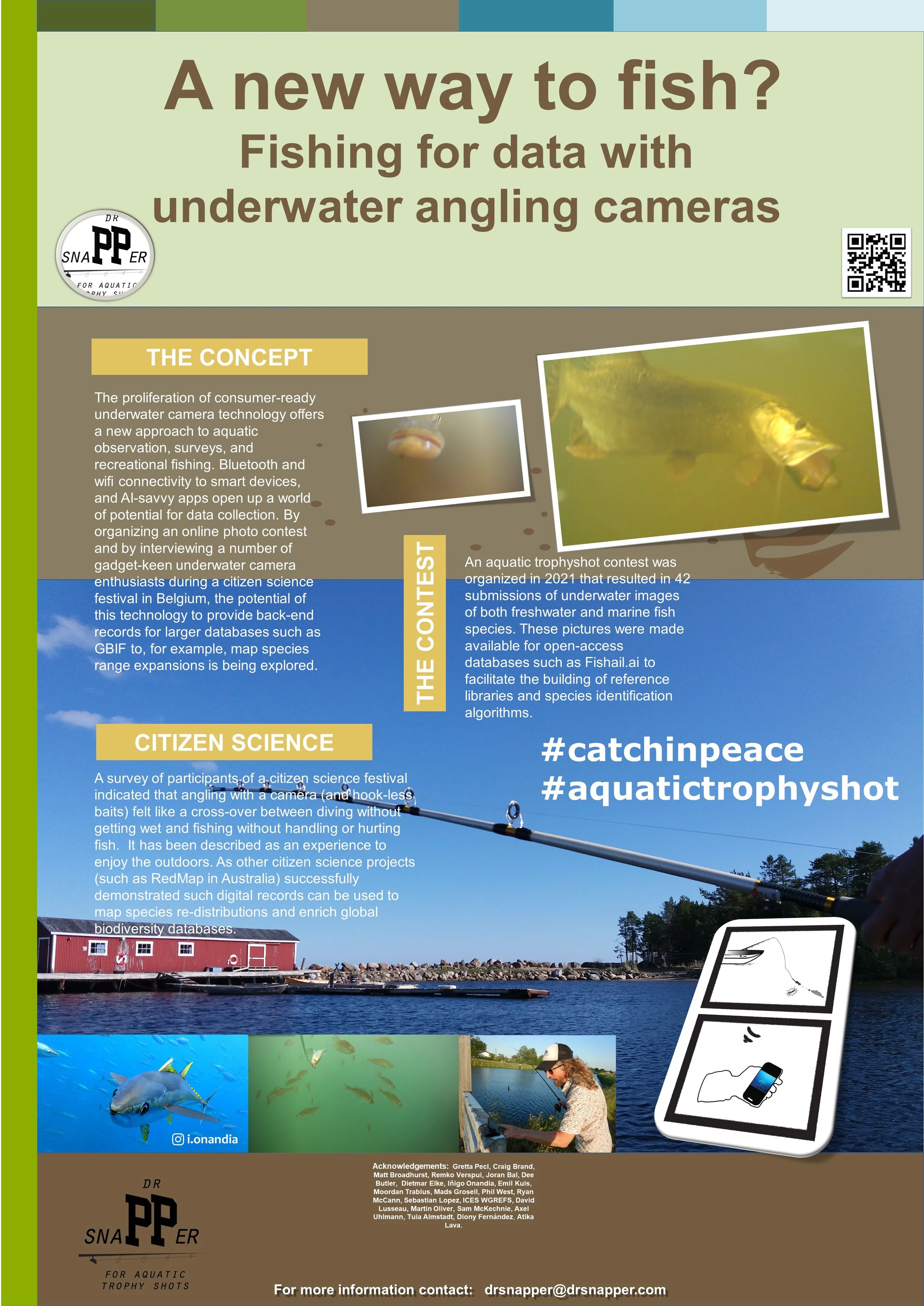
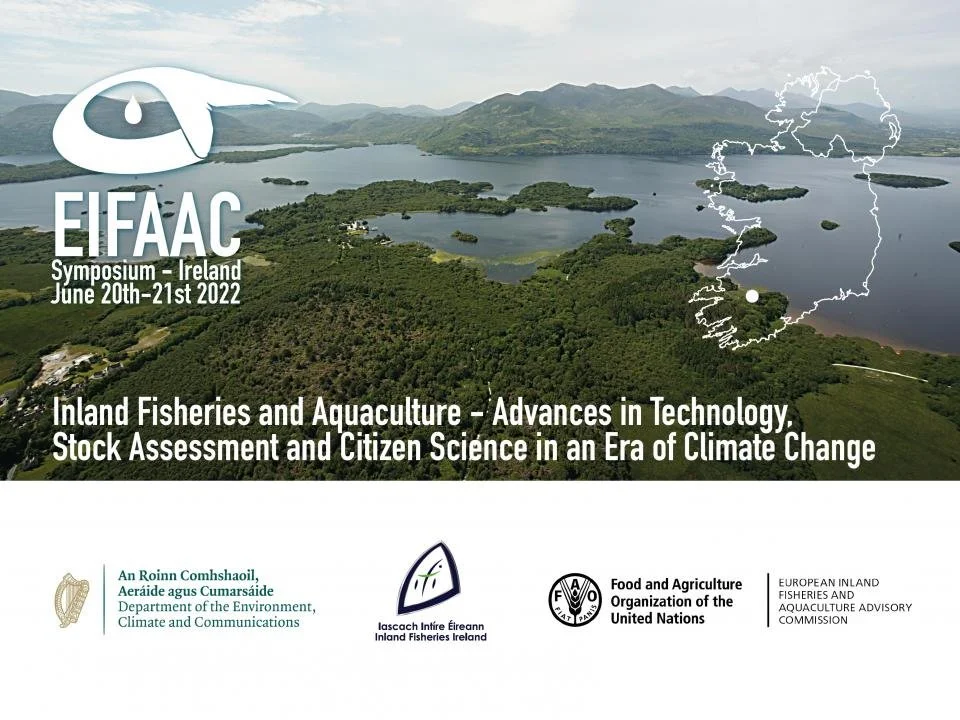
This was my contribution to the Inland Fisheries Symposium in Ireland in June 2022. It is nice to see that some angling cam manufacturers are actually buying into the citizen science approach and buddy up with science partners to unlock the gold of (big) data.

Interesting symposium is coming up in Ireland
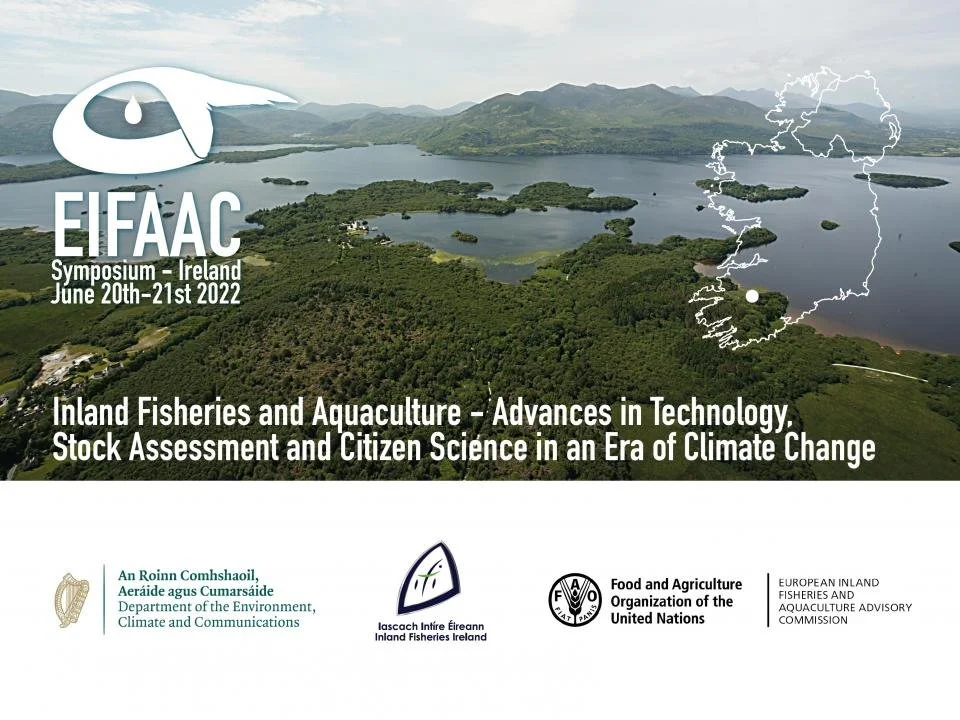
A very interesting inland fisheries symposium is coming up in Ireland next week. Keep your eyes peeled for drsnapper’s contribution. The slogan of the symposium is: "Inland Fisheries and Aquaculture - Advances in Technology, Stock Assessment and Citizen Science in an Era of Climate Change". There are 5 theme sessions with invited contributions (I have submitted a piece under Theme 4 - Citizen Science):
Theme 1: Inland fish stock assessment
Quantitative approaches to assessment and management of inland fisheries and fish stocks, with a focus on:
Data collection and monitoring requirements for stock assessment,
Data-limited assessment methods relevant to inland commercial and/or recreational fisheries,
Assessment of predation, e.g., cormorant, impacts on freshwater fish stocks, and
Model-based approaches to inland fisheries management, e.g., MSE, harvest control rules etc.
Theme 2: Developments in freshwater fish monitoring technologies with an emphasis on non-destructive methods
Monitoring fish populations is an essential tool for quantifying population abundance and composition and assessing impacts of anthropogenic pressures. Conventional sampling such as electrofishing and netting surveys (fykes, gill nets, seine nets) and associated equipment can be expensive, difficult to transport and surveys are often limited to those waterbodies with road access or boat slips. Many conventional methods also require handling fish, which can cause stress, injury and sometimes mortality. Relatively new non-destructive sampling methods/technology, such as remote sensing (e.g. hydroacoustics, telemetry), visual observation (e.g. underwater camera, snorkel surveys) and eDNA are becoming increasingly popular. Could these techniques be adopted for routine monitoring programmes, e.g. for Water Framework Directive or Habitats Directive monitoring.
Theme 3: The problems and challenges of climate change and its impacts on inland aquatic resources and fisheries
Inland fisheries provide critical ecosystem services to communities in Europe and worldwide and have important subsistence, cultural, and economic value. However, the freshwater rivers, streams, and lakes that fish occupy are faced with many challenges, including climate change, and have become one of the most threatened ecosystems on the planet. Fish are an important indicator of the health of aquatic ecosystems, and an improved understanding of how they are affected by changing climate conditions is critical to understanding the future of these ecosystems and identifying adaptive management strategies. There are still numerous knowledge gaps related to fish species and climate change (e.g. what can be done to make fish communities resilient to climate change, how do we minimize exposure and sensitivity to climate change and maximize adaptive capacity amid uncertainty; what actions are most likely to be successful in the long term and where should these actions be implemented). There is now a growing body of empirical research and conservation actions that are being employed to tackle these challenging problems. EIFAAC wish to highlight existing research and share experiences related to, but not limited to, approaches to assess impacts of climate change with a focus on species, spatial and habitat vulnerability, thermal performance and tolerance of fish species, mitigation measures and environmental flows.
Theme 4: Citizen science
The involvement of citizens in recording our natural environment has been around for centuries, e.g. amateur meteorologists and ornithologists; however modern-day citizen science with the engagement through technology is a growing movement and this has broadened opportunities to expand our knowledge of the natural environment. Citizen science could offer a potentially cost-effective tool to obtain fishery information over large spatio-temporal scales to support fisheries management, e.g. to contribute to stock assessments in inland waters. EIFAAC wish to highlight existing citizen science initiatives and explore its use as a complementary tool to traditional fishery management methods in inland waters. (Contributions and examples of public participation in scientific research are welcome from a broad range of fields where applicable).
Theme 5: Aquaculture - traditional freshwater systems vs recirculation systems
Aquaculture is one of the world’s fastest growing agri-food sectors and has the potential to provide the world’s population with quality and healthy fish products. Traditional methods of aquaculture production can affect the environment. Environmental restrictions to minimise pollution, focus on sustainability, food safety and cost effectiveness has driven the development of recirculation aquaculture systems. These systems have two advantages: cost effectiveness and reduced environmental impact.
Image courtesy: Inland Fisheries Ireland
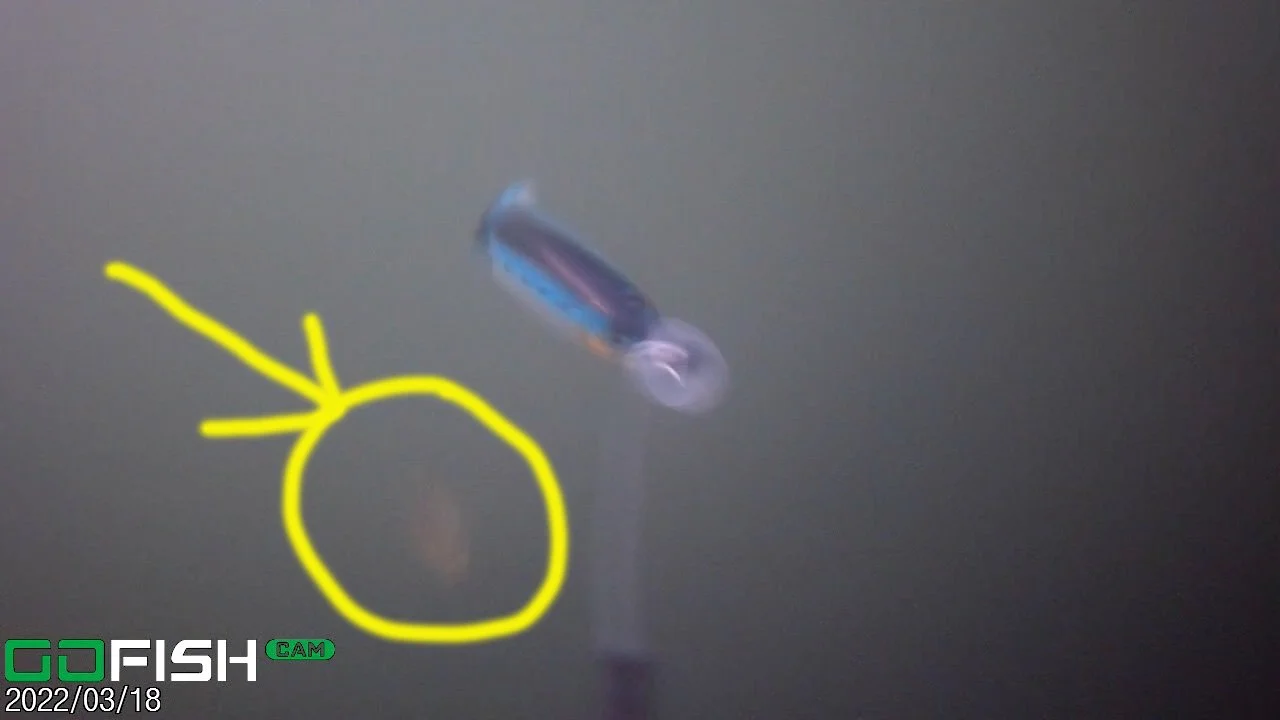
My favourite followers
These were two of my pike followers in spring that showed some interest in and appetite for the lures (that were hookless) and/or the camera. Why do you think pike attack a camera?
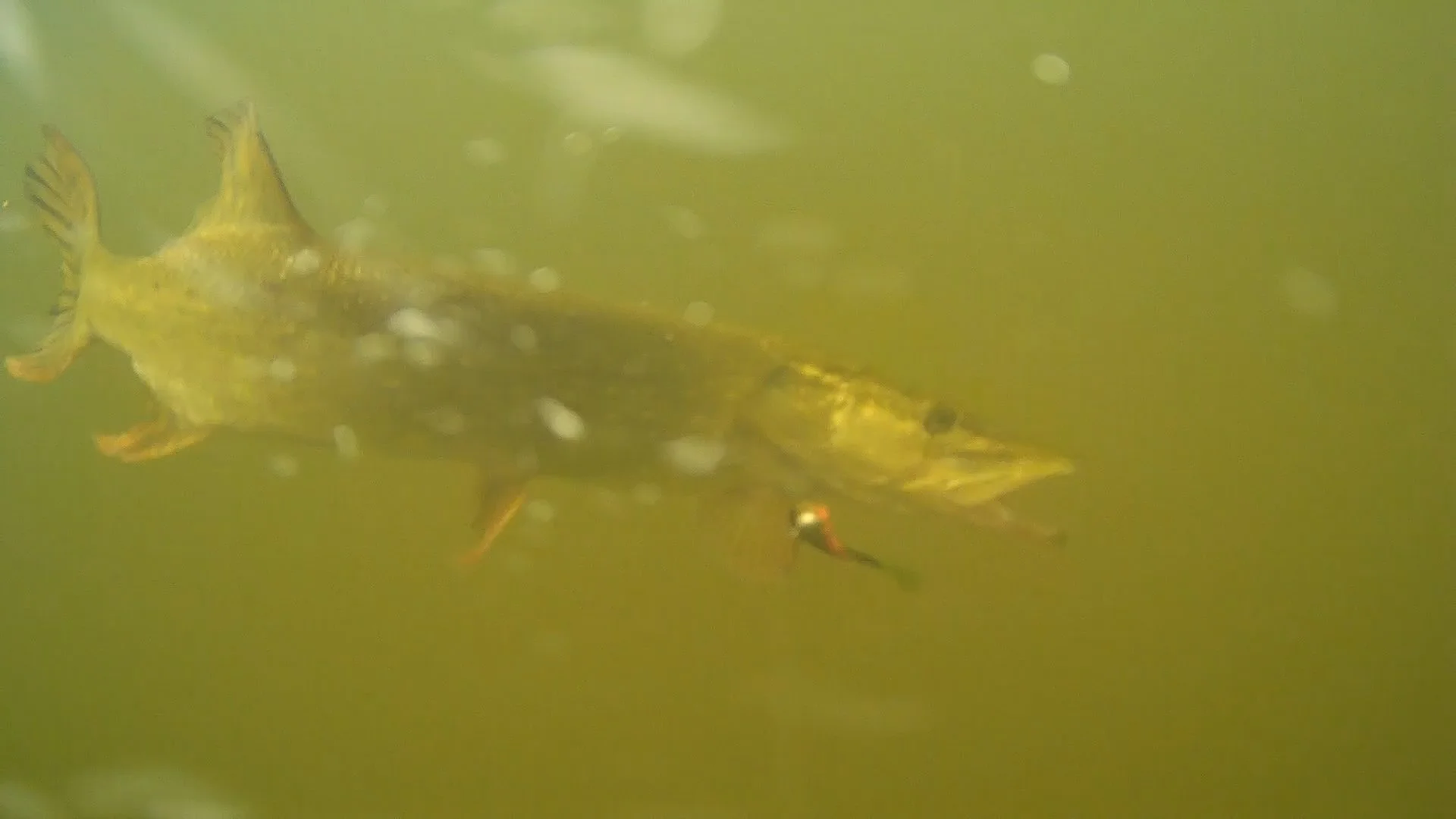
Scented bait pays off.....
My new scented baits that slowly release its active, fishy flavours paid off at this slow-flowing river in the heart of West Flanders, Belgium…..must have been irresistable stuff for this fella. I used no hooks, so catch in peace only.