Fish spotting at scenic places
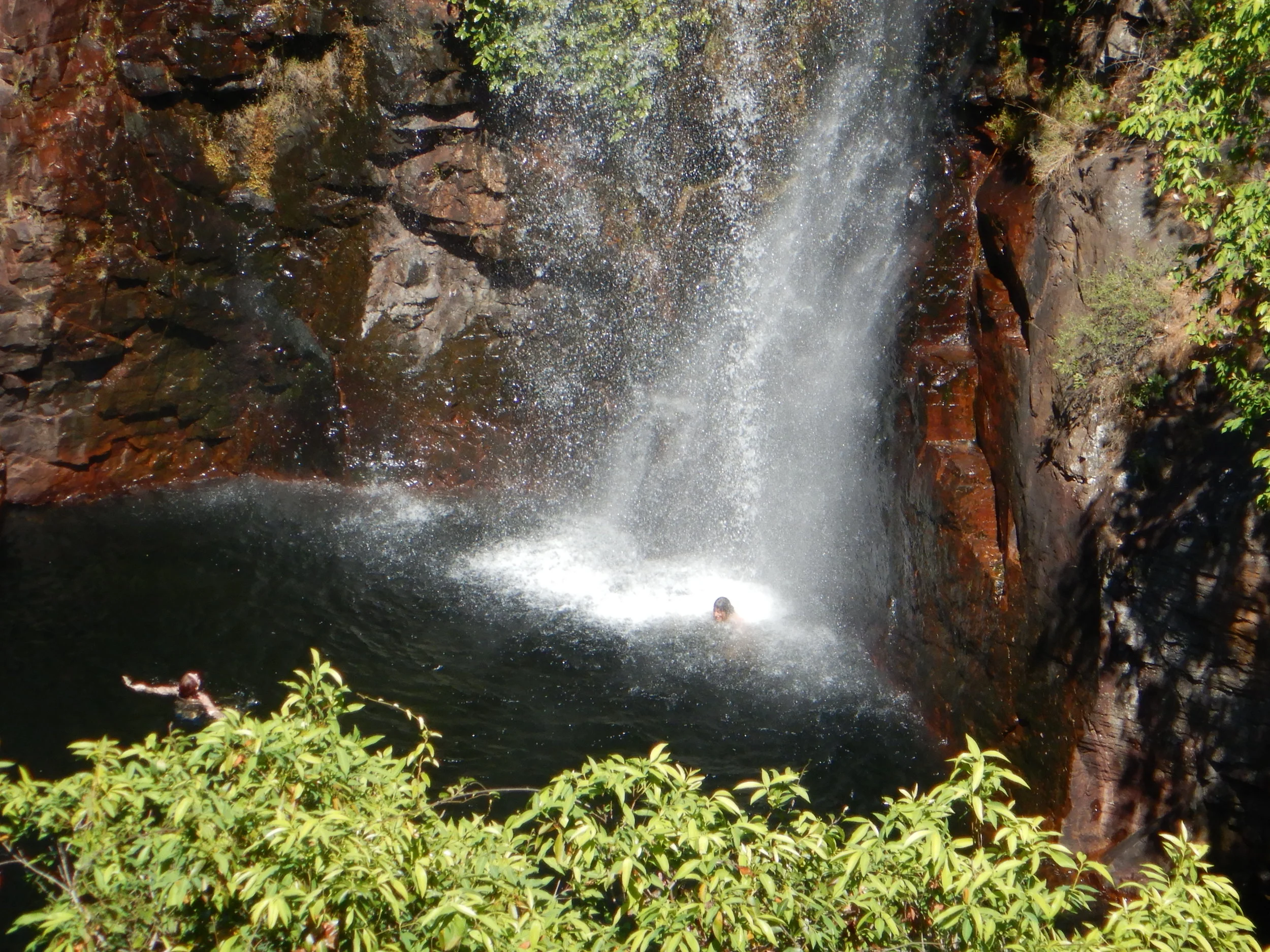
On a visit to Florence Falls (Litchfield National Park, Northern Territory), we managed to spot some black bream (Hephaestus fuliginosus) in between the many tanned tourist legs.

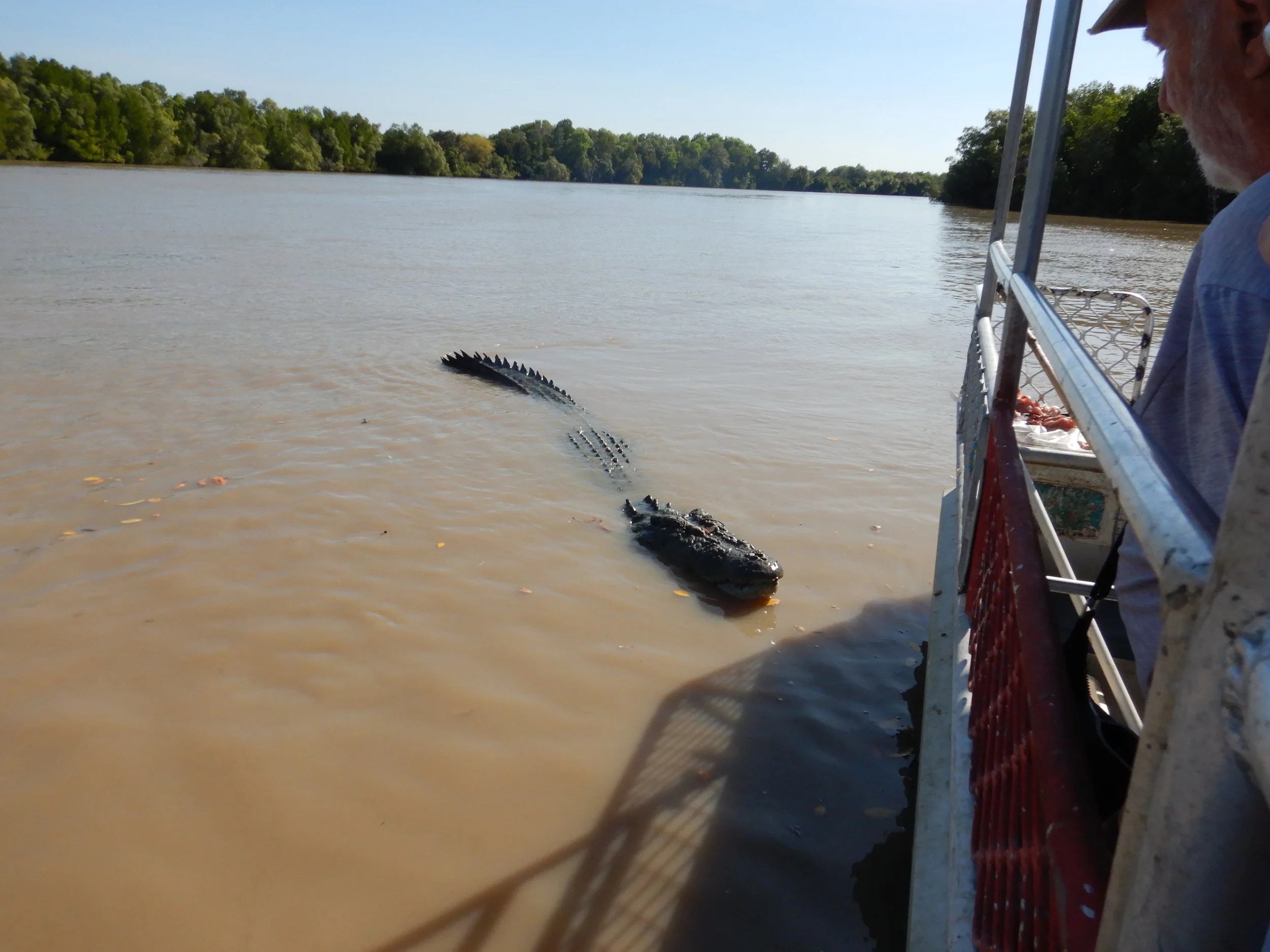
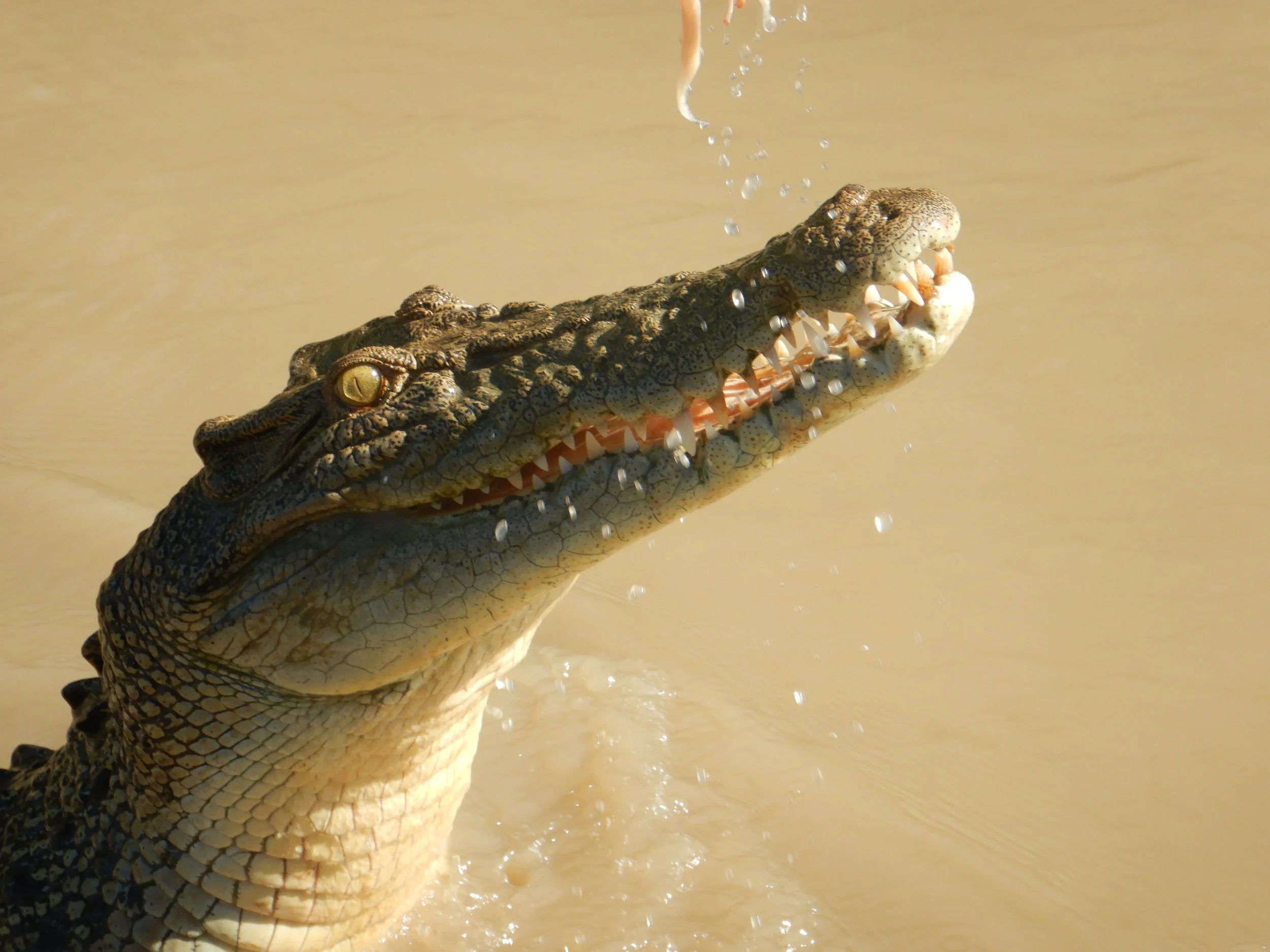
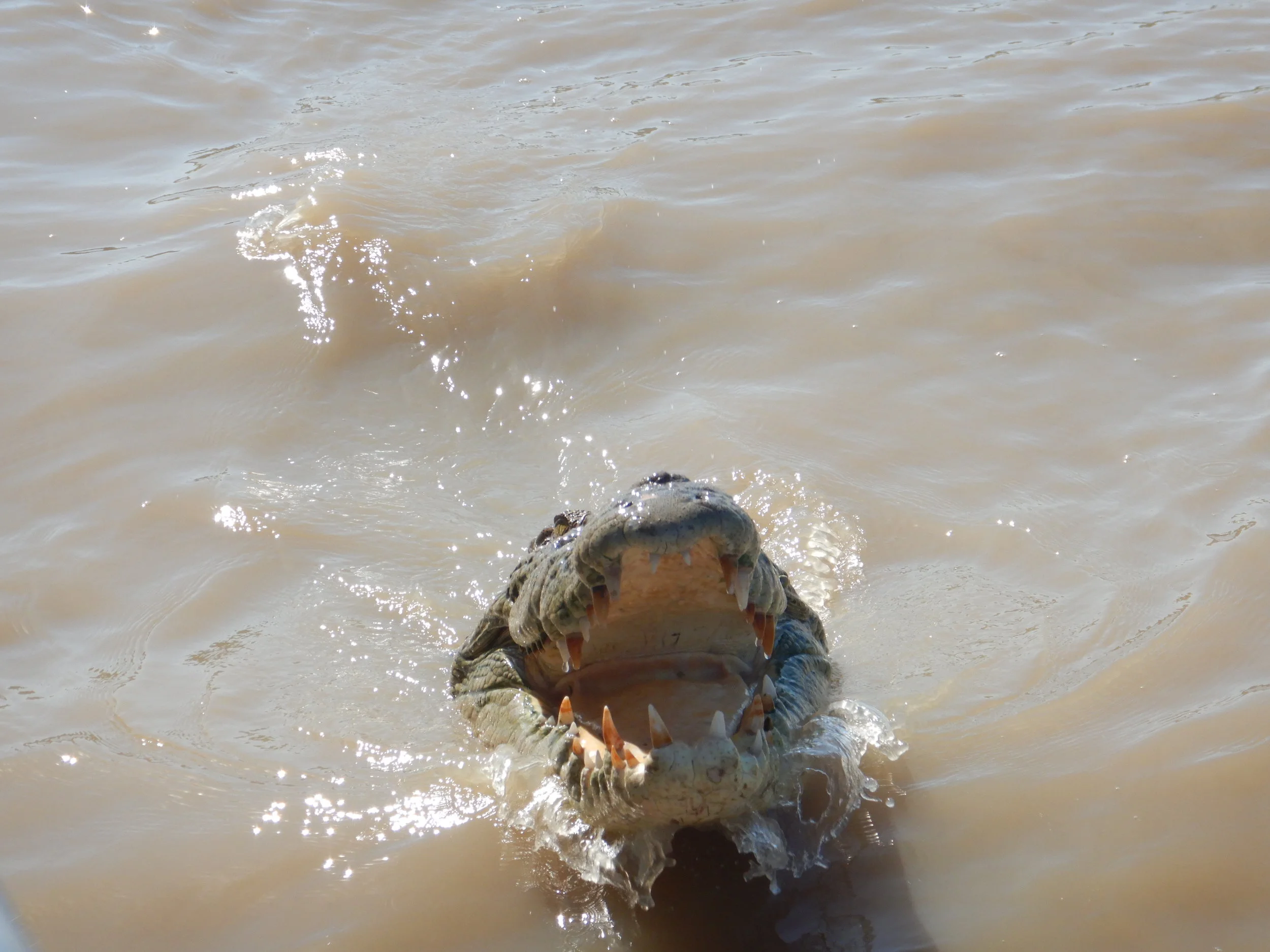
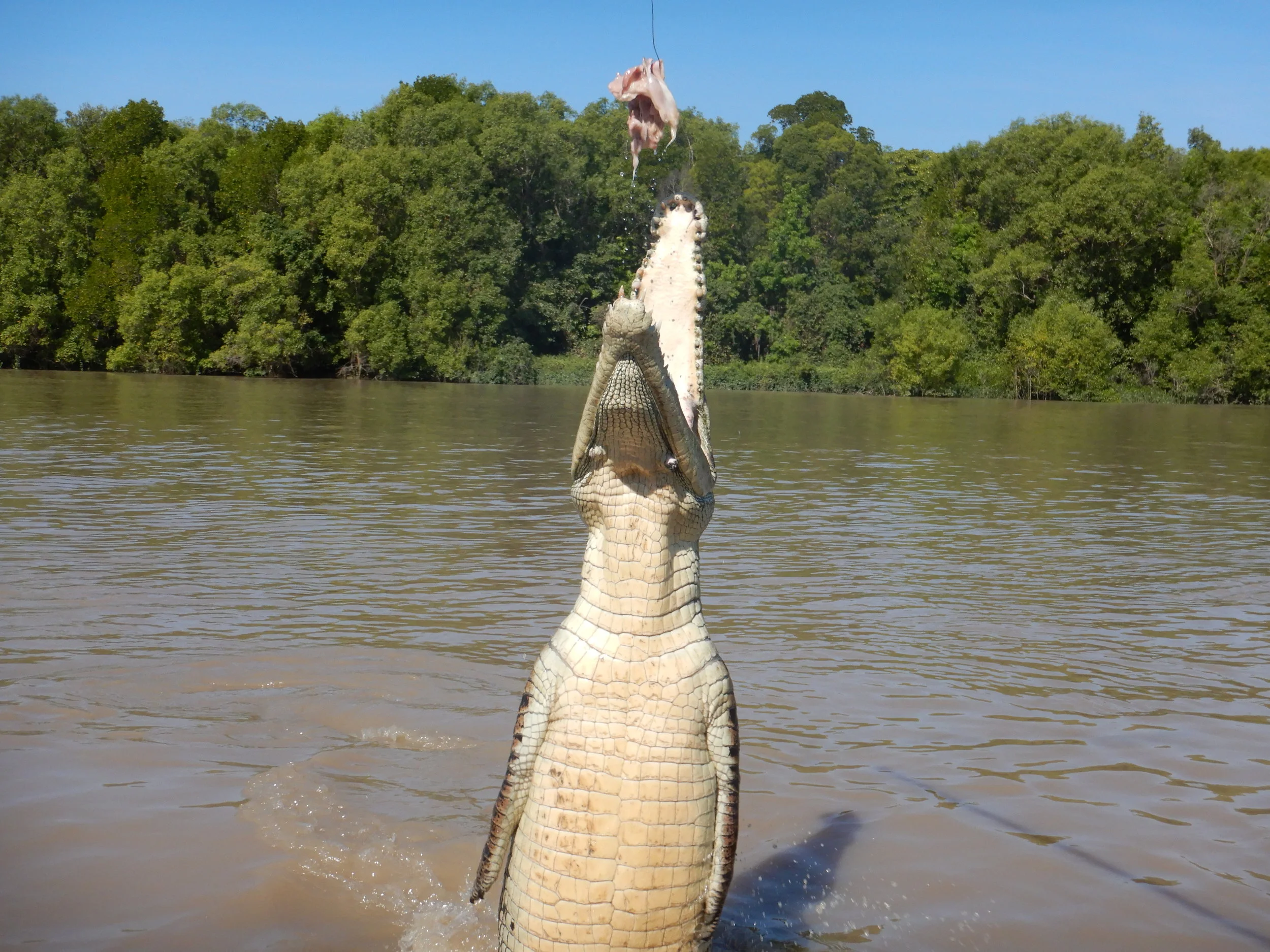
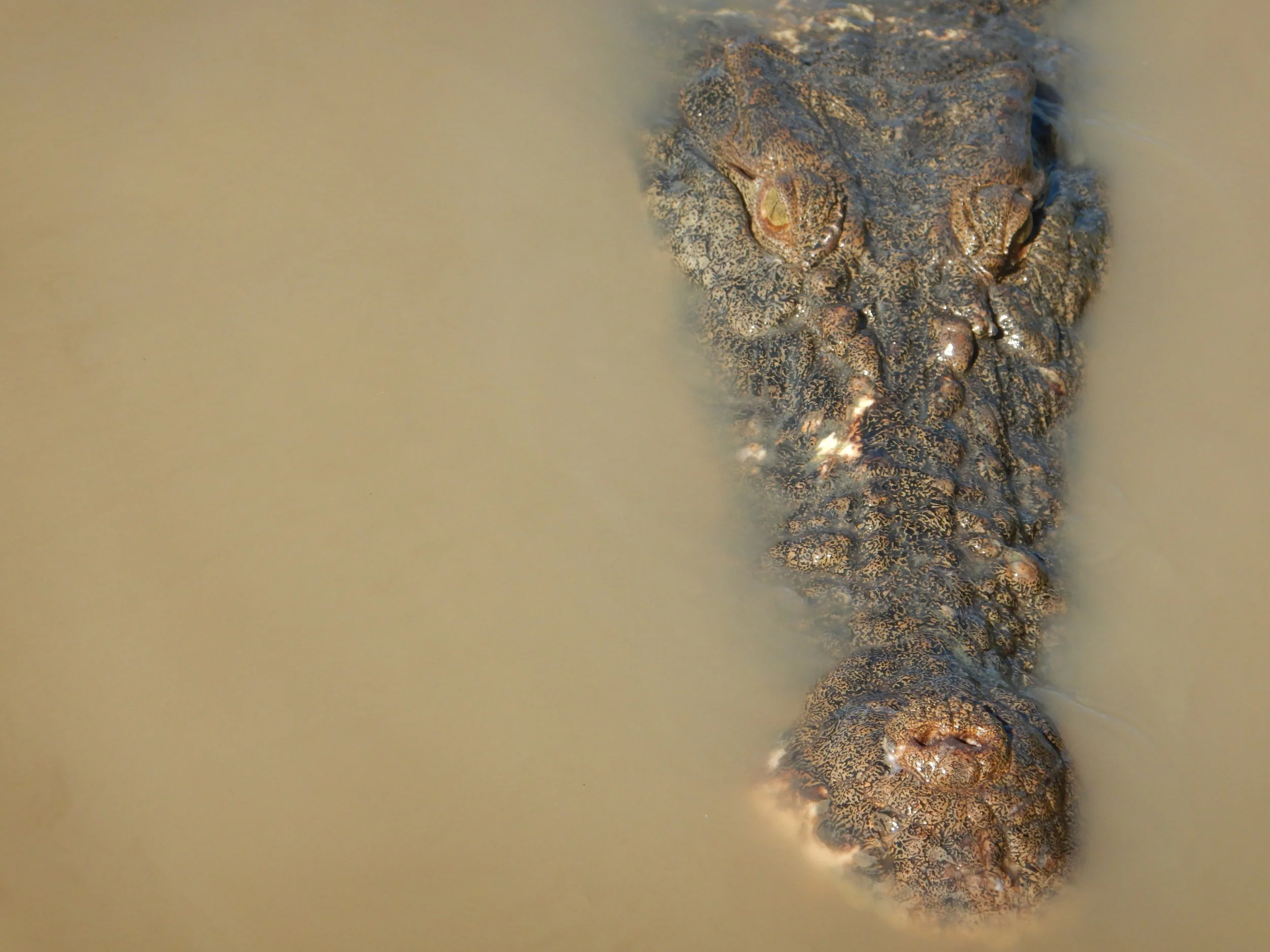
Trophy shots of crocs
Hook-less fishing for trophy shots of saltwater crocs - a true Aussie activity in the Northern Territory. I actually wondered if anyone tried to attach an angling cam to that type of fishing rod? #Adelaide river

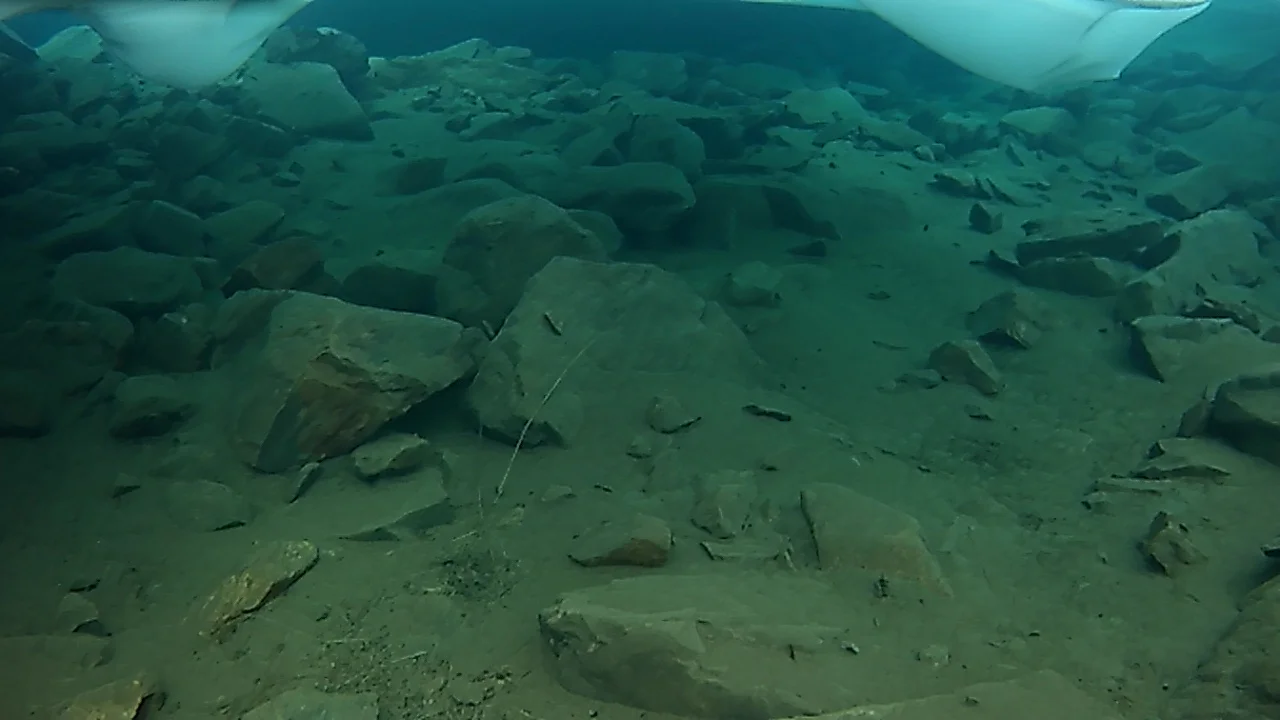
Trophy shots on ice
This is surreal crystal clear and crispy cold water in the Austrian Alps in some glacial lakes. Not much action re: macro animal life wise, but insane colours.
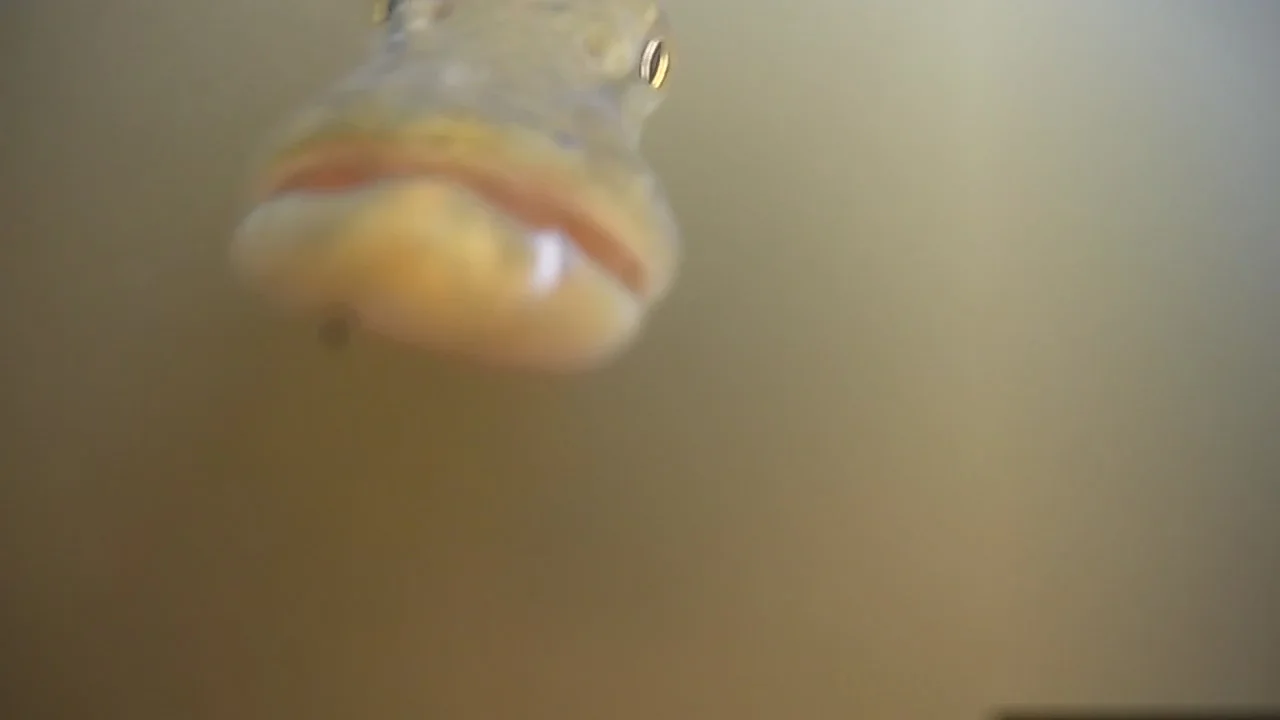
Urban hook-less fishing
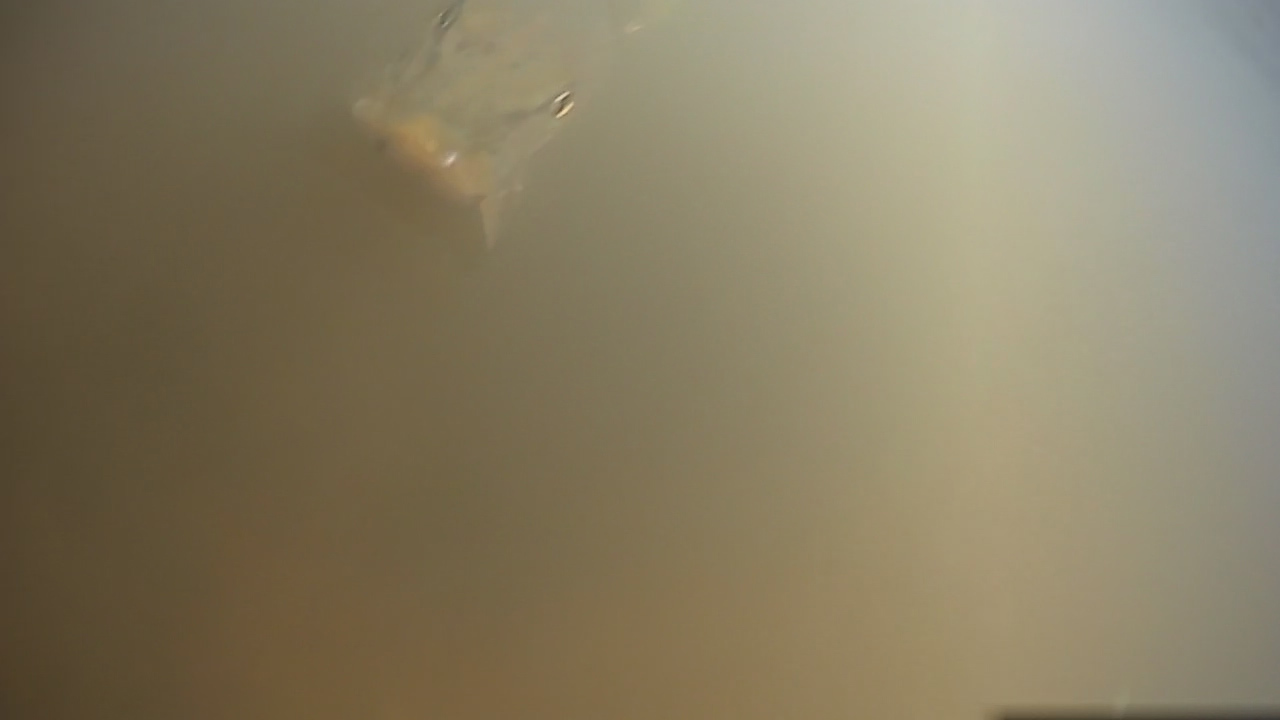
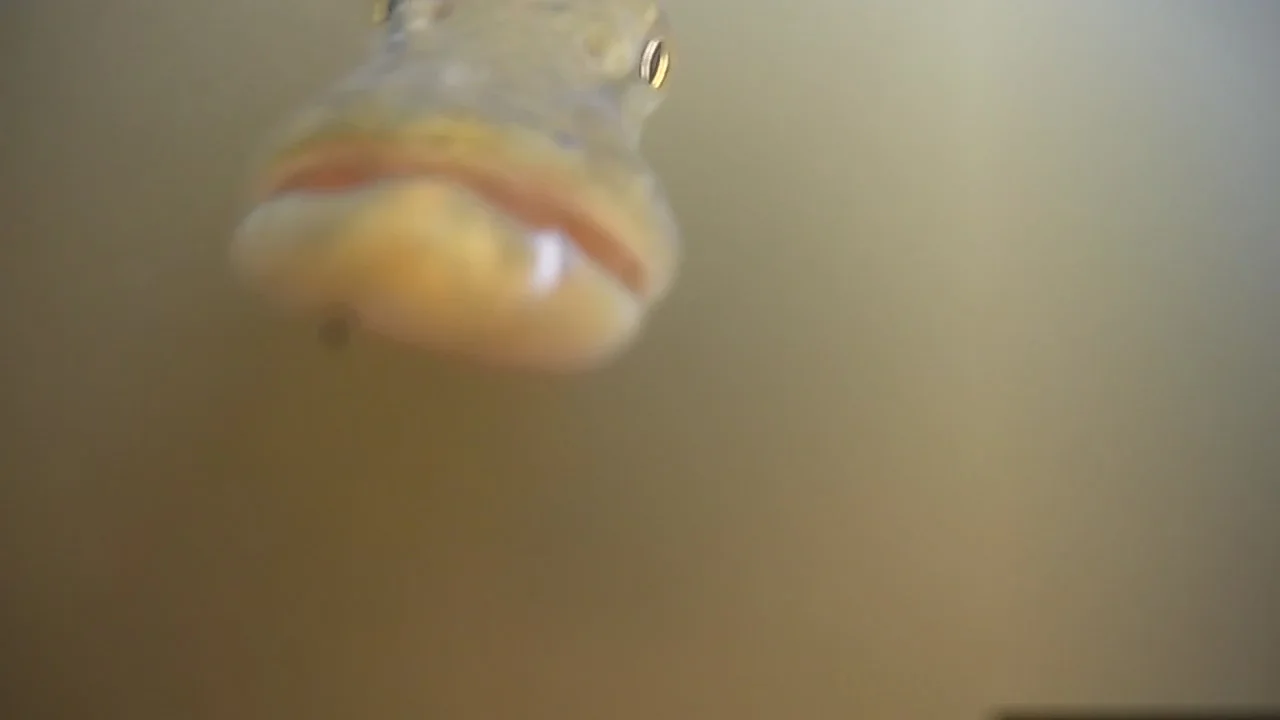
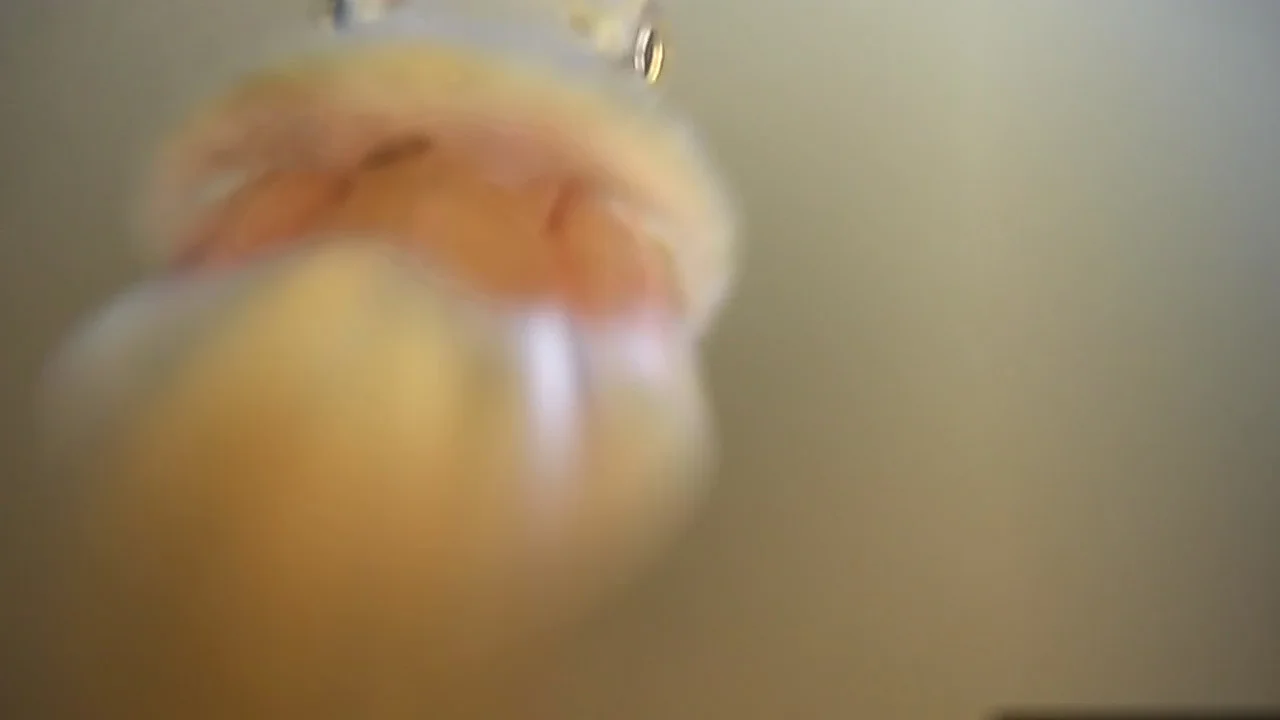
I should check the market whether any of the fishing camera manufacturers have actually come up with an anti-gobble condom to prevent pike from swallowing these delicately shaped devices such as the waterwolf or spydro cams. I could have used such a thing in this case. An eager one went for the spydro. Gobble gobble, urban hook-less fishing in the Netherlands - no frills, but still some thrills.

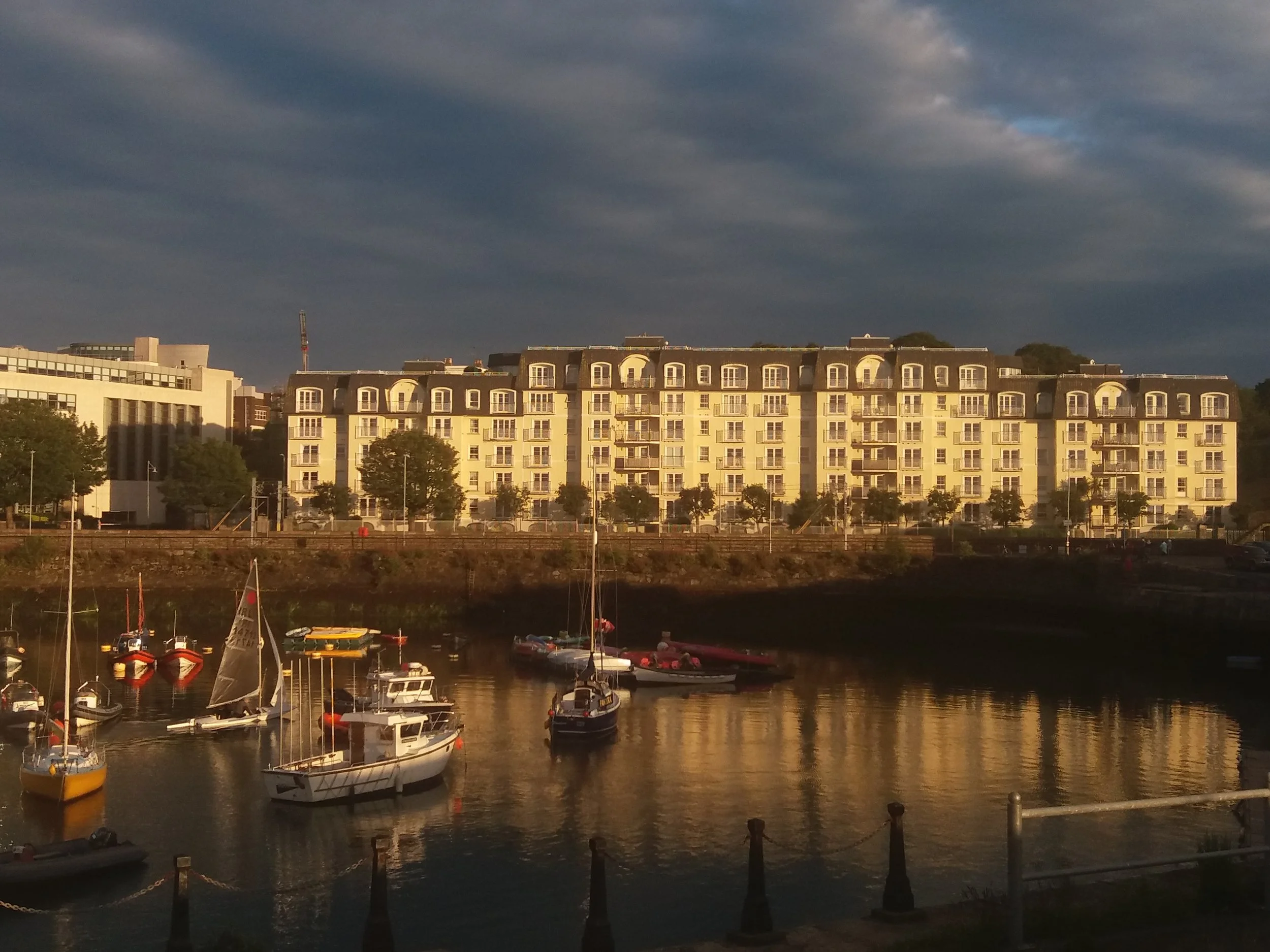
Pier review
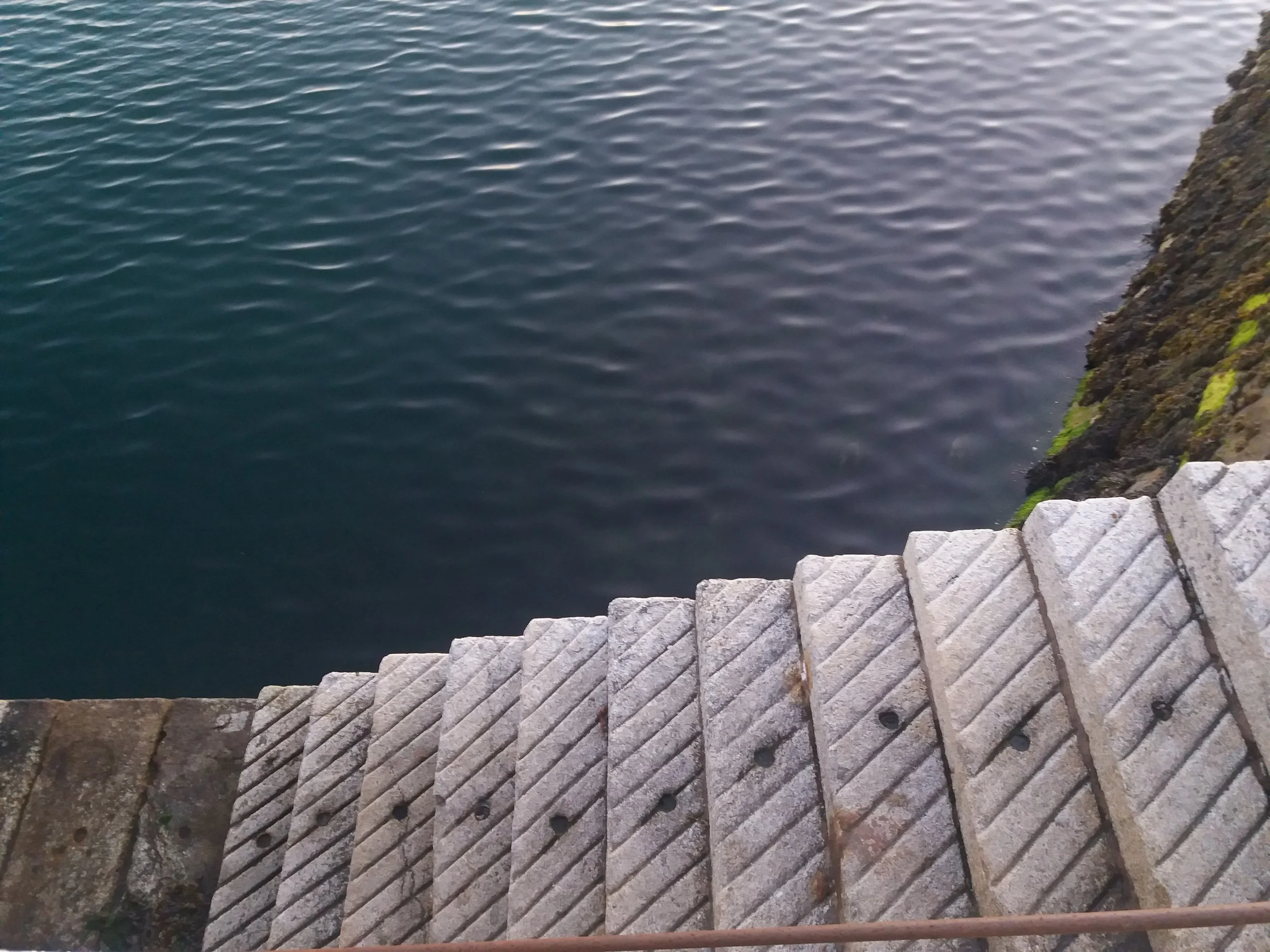
As drsnapper’s mission is to promote the concept of hook-less fishing using an underwater camera (and also trialling the custom-made camera trap), I’ll try my best to populate this blog with exactly that. Underwater footage of fishies nibbling away at some hook-less bait contraption. Here you go - an example from the West Pier at Dunlaoghaire harbour, Dublin, Ireland. Species: White pollack (Pollachius pollachius), filmed with a spydro cam.
Catch-and-release best practice guidelines
Check out these catch-and-release best practice guidelines from The National Oceanic and Atmosphereic Administration (NOAA). My comment to the "What I can Do?” choices: opt for a camera-trap contraption which are readily available on the market.
About Dr Snapper
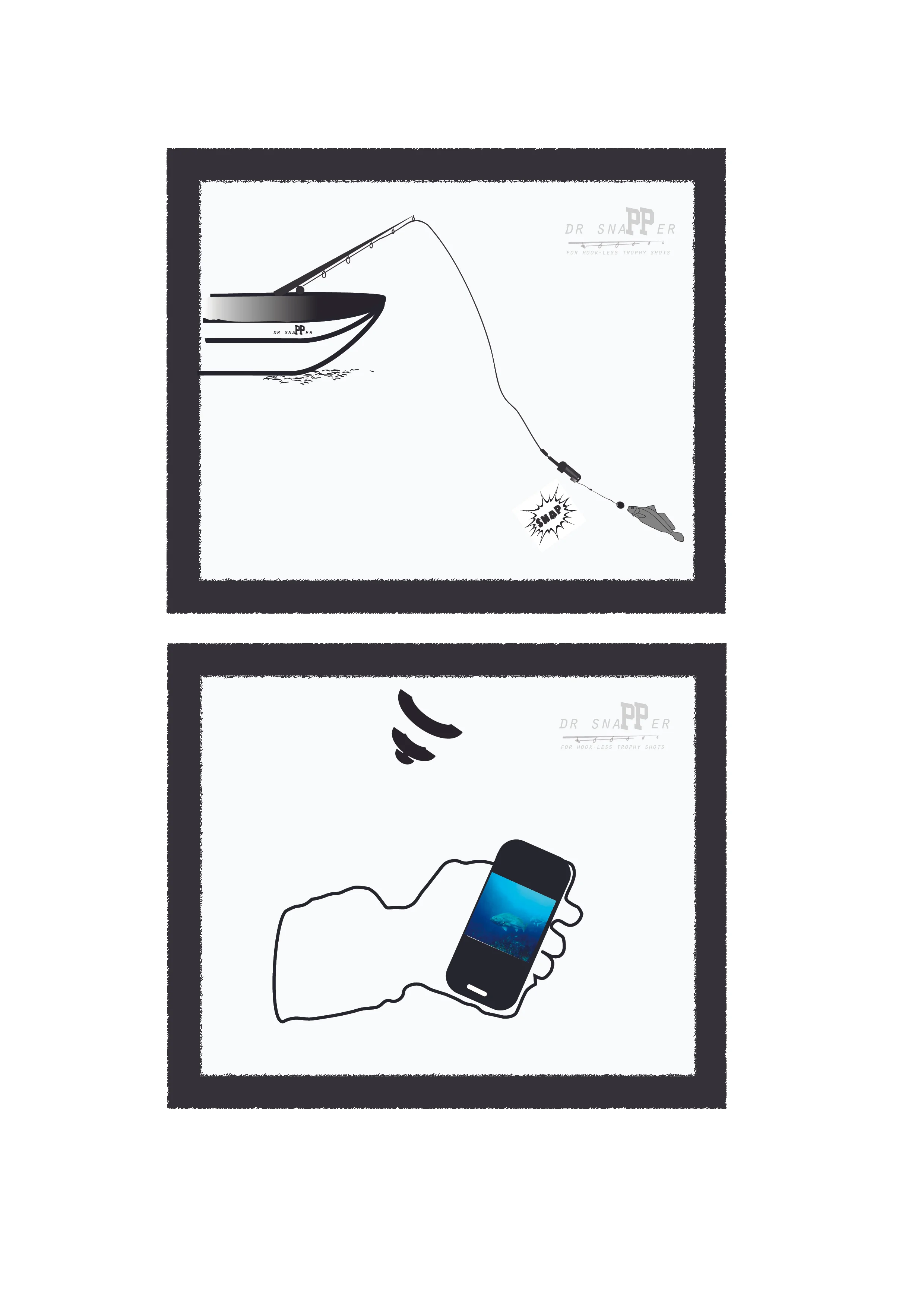
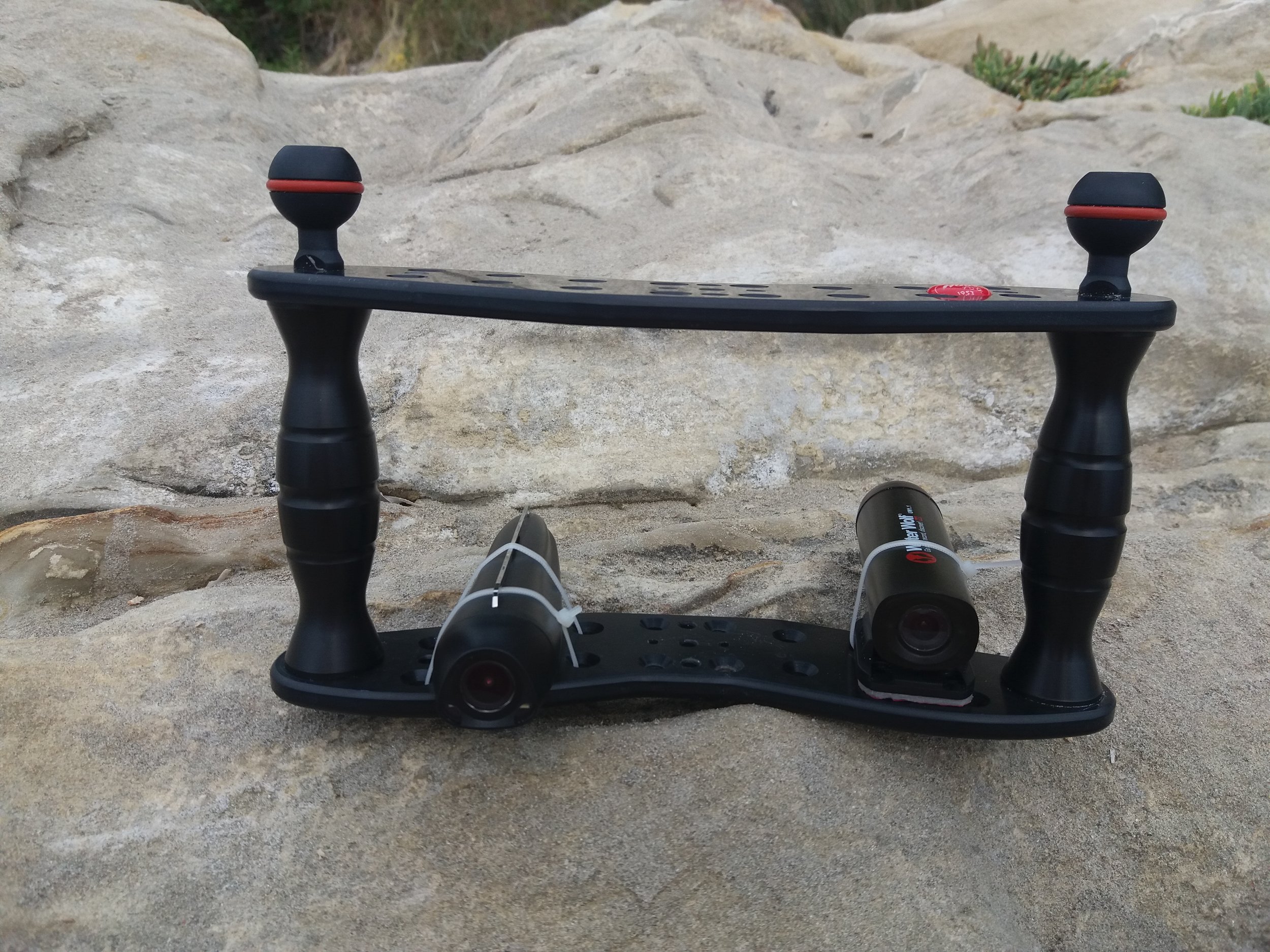
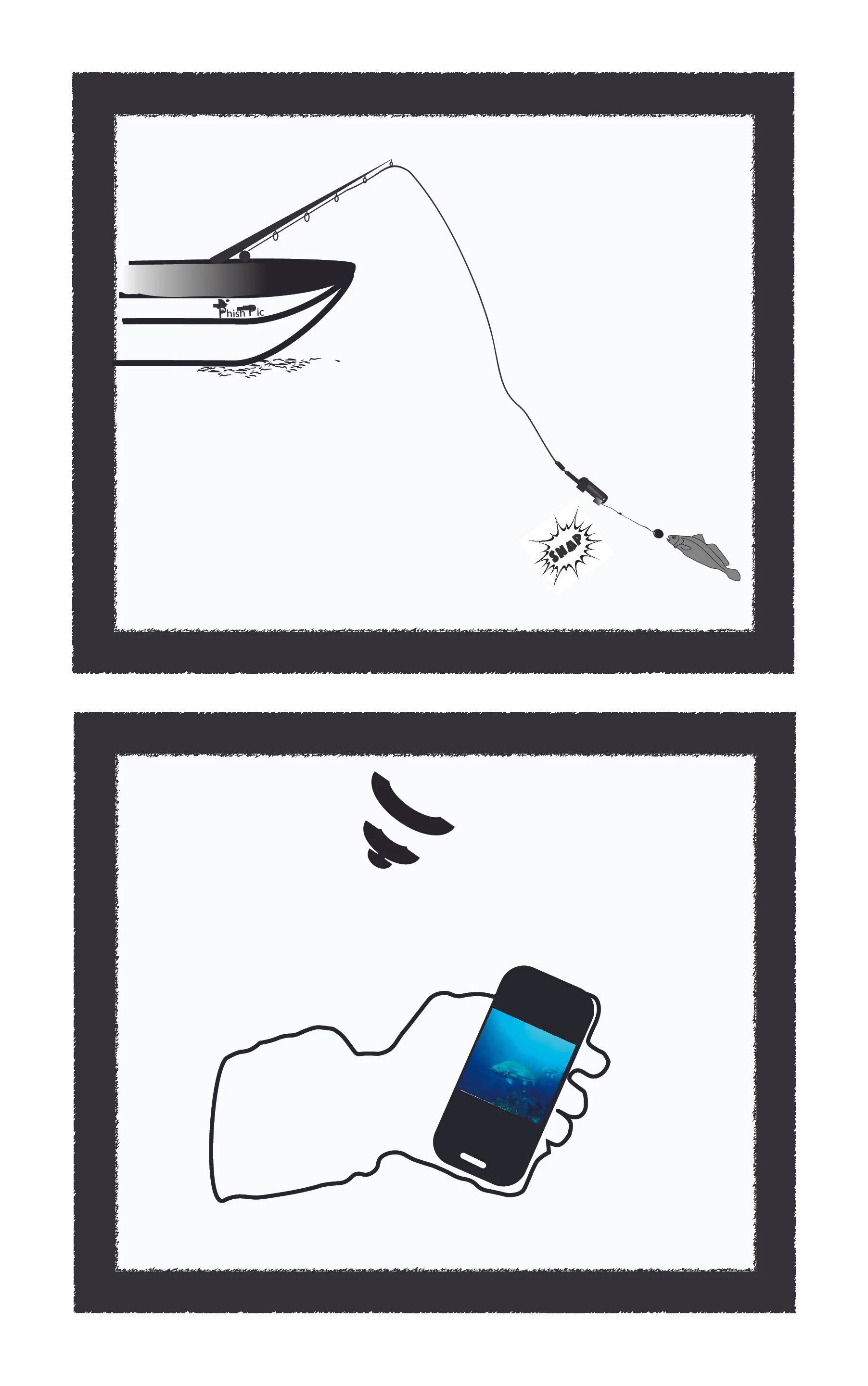
Dr Snapper promotes a new approach to underwater observation, aquatic surveys, or even recreational catch-and-release fishing. It is a very simple idea and there is already technology out there that allows exactly that: the fish itself actively triggers the camera when attacking a hook-less bait. So to speak, the fish snaps a selfie by rigorously pulling on the bait (see top panel, graphic above), which then sets the camera to record a fixed video sequence. In an upcoming post I will talk about the different, possible trigger mechanisms in more detail. Ideally, via an app and automatic wifi transmission when surfaced, all video files can be (re)viewed instantly (see bottom panel, graphic above). Such a way of underwater observation may not only appeal to animal-welfare conscious recreational fishers, or a young gadget-keen generation of outdoor enthusiasts, but also to scientists wanting to non-invasively survey aquatic fauna. In that case: no fish are harmed, but still a great trophy shot!
Busted in the Bay
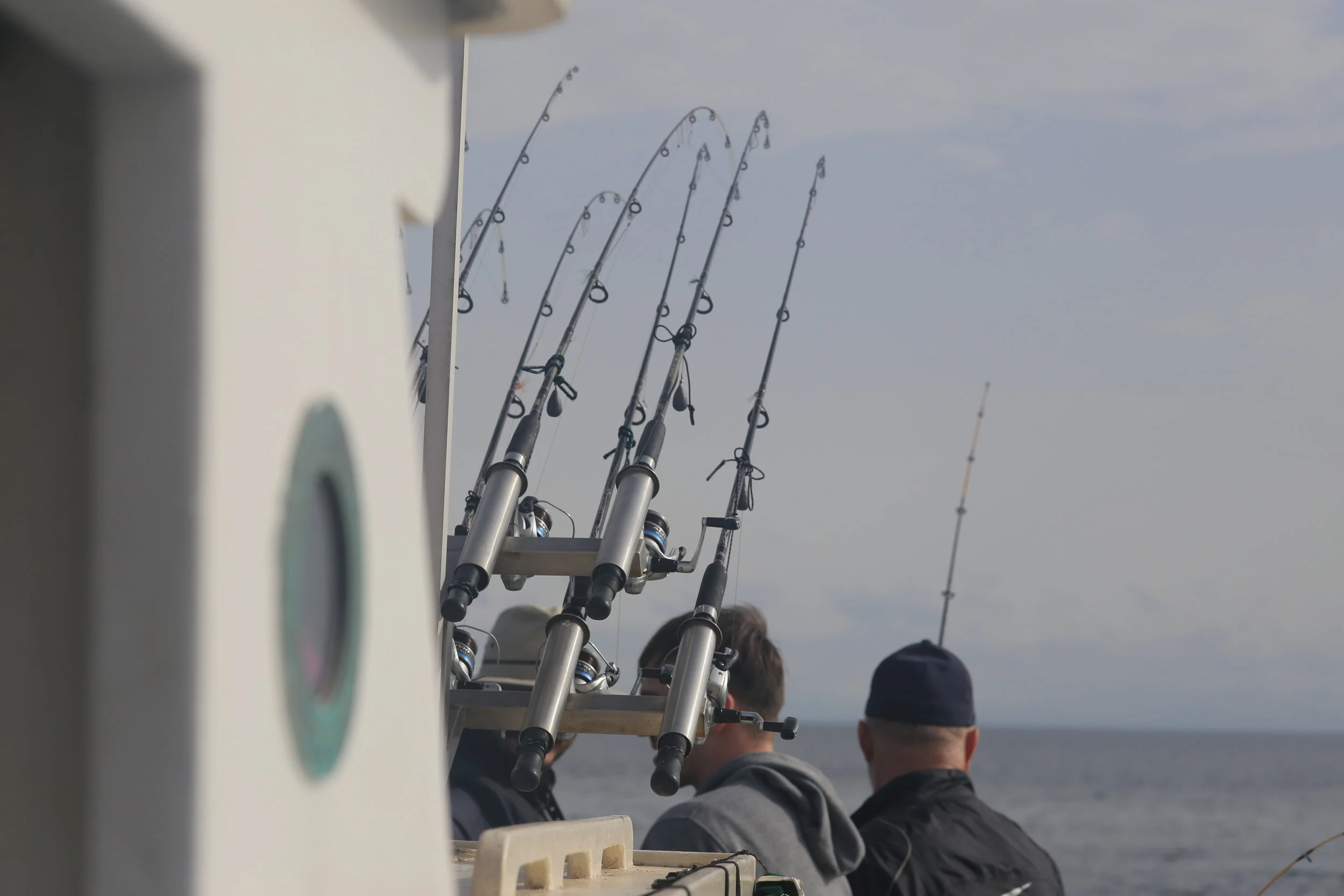
In my last week in down under, I booked myself on a tour with Bay Fish N Trips for a day of (vegan) fishing out in Port Phillip Bay. I watered the waterwolf with a handline, and even though I was not able to instantly review images (despite some curious requests from fellow anglers), I was surprised by the activity around the bait ball (stuffed with pilchard and chicken chops). Check out the video (first trial edit with Adobe), a compilation of a couple of trophy-shots of yellowtail scad (Atule mate). Thanks a lot to Bay Fish N Trips for a fun day on the water and all keen fishers.
Music by The Shambles - Corn on the floor
Buried bull ray slammer
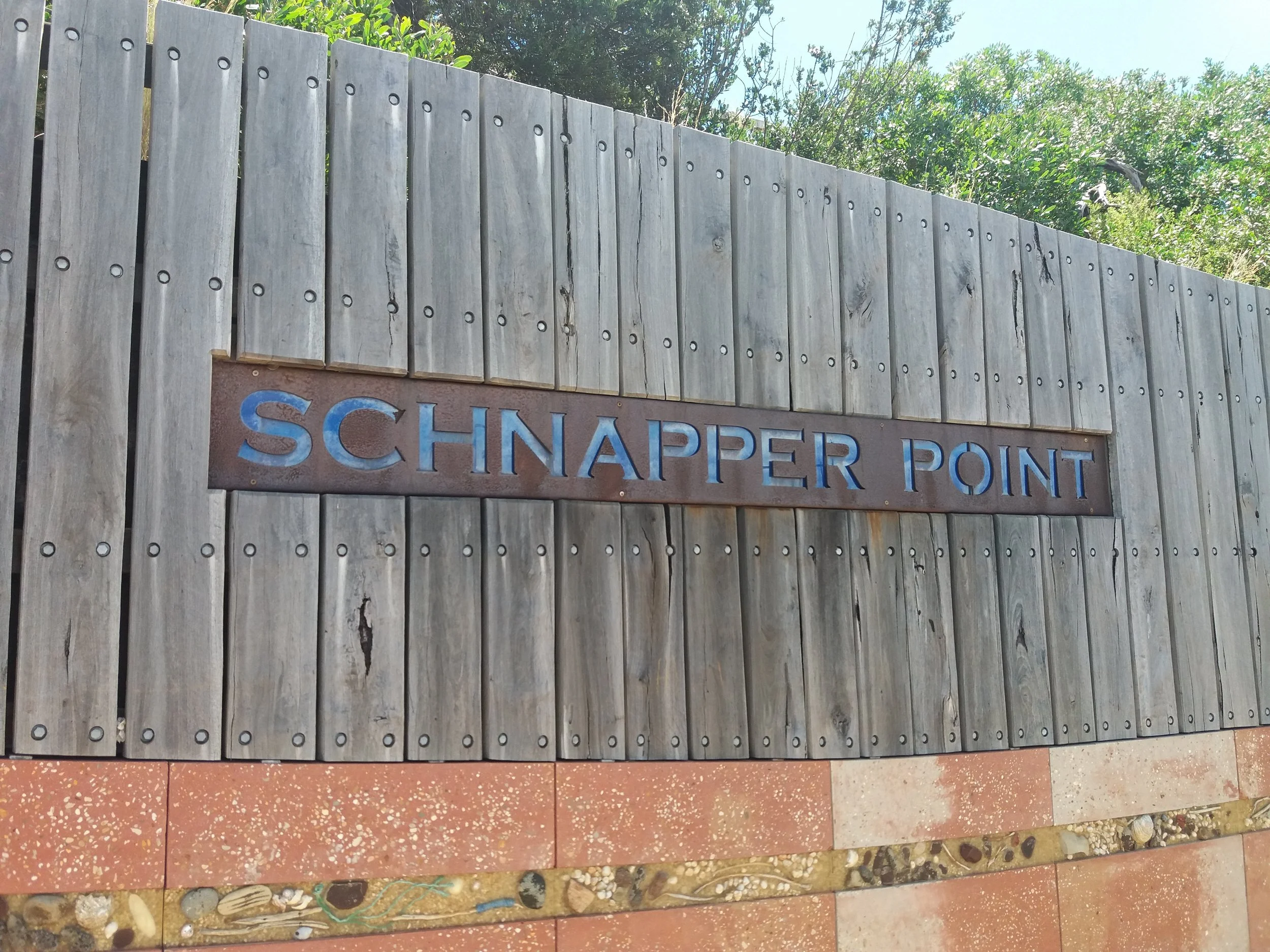
The Mornington/Schnapper point pier is home to a resident bull ray (Aetomylaeus bovinus) which I was hoping to catch on a waterwolf camera. The nice thing about the Schnapper Point pier, you do not have to travel far when chasing those hook-less trophy shots. The next clip is going to be about a vegan fishing session on-board a fishing charter vessel though. Coming soon.
Lobster tug-of-war
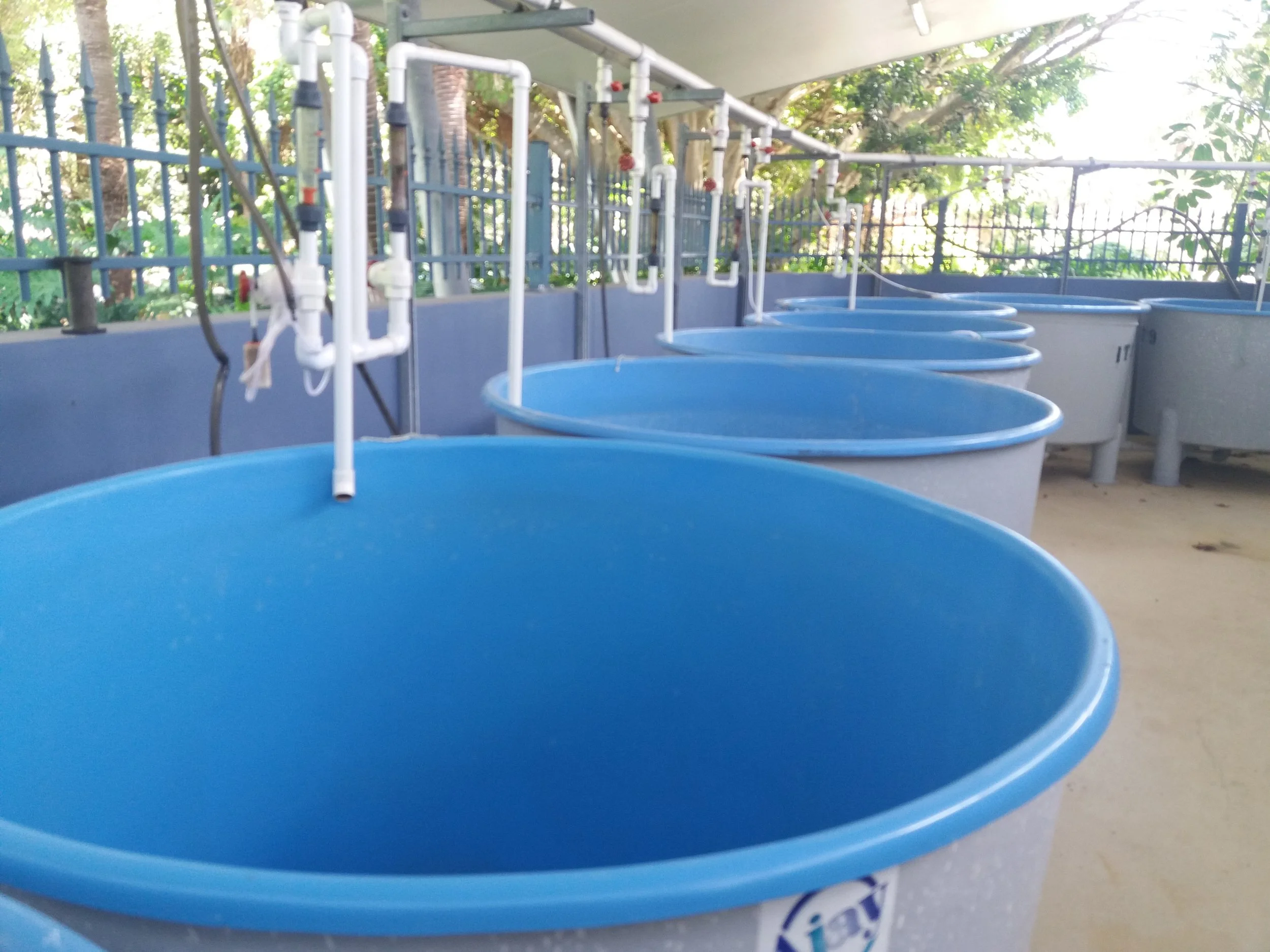
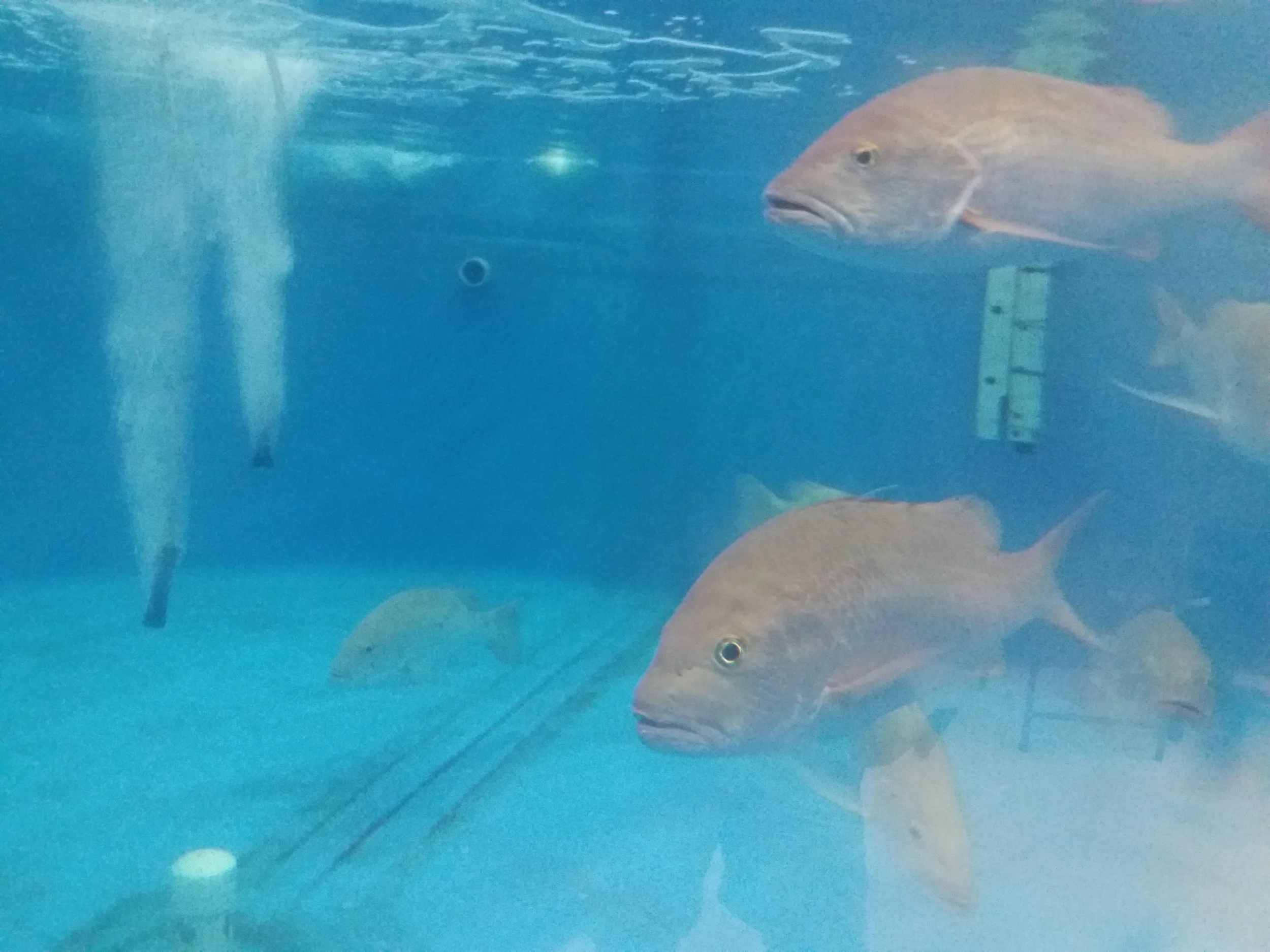
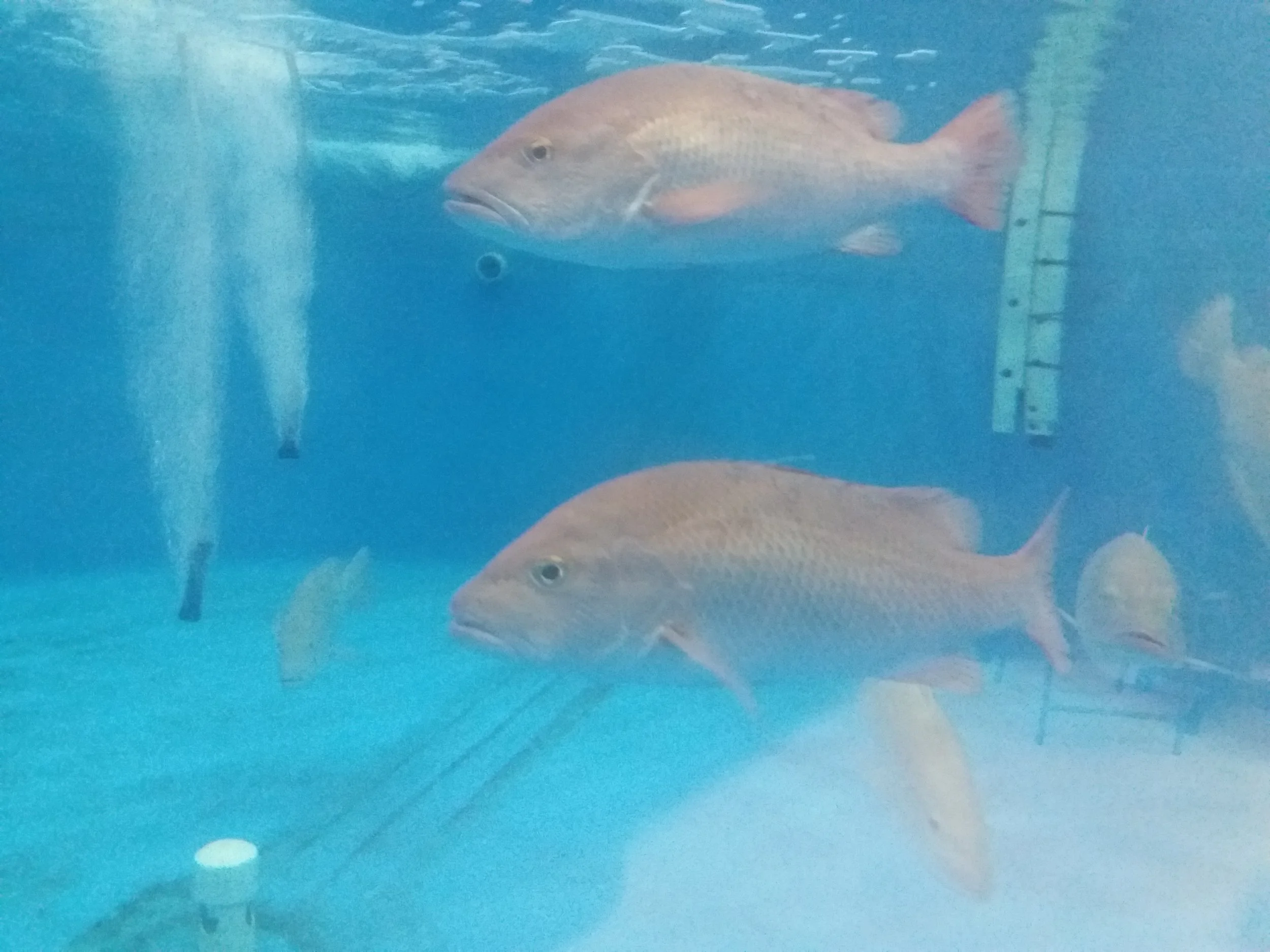
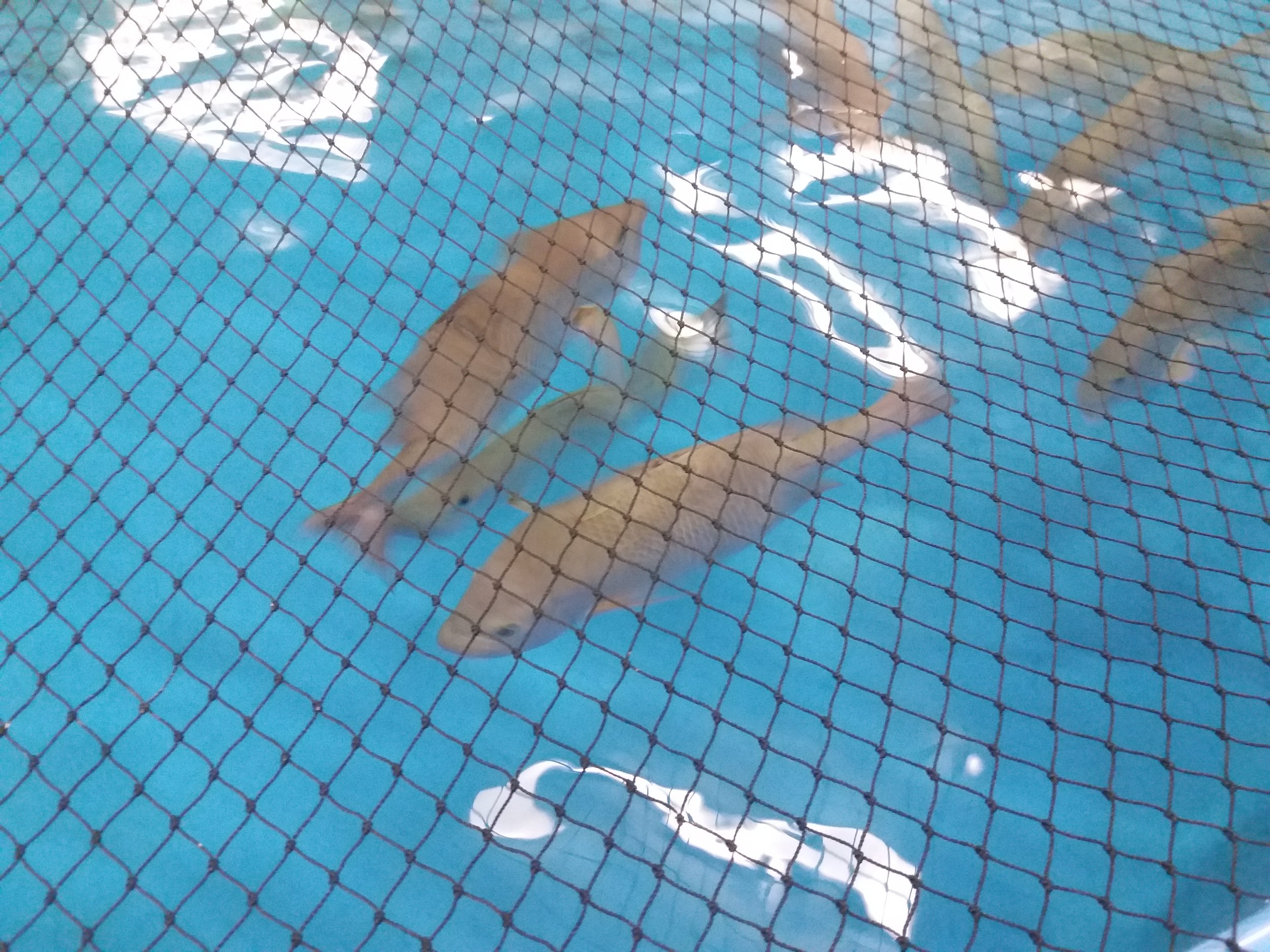
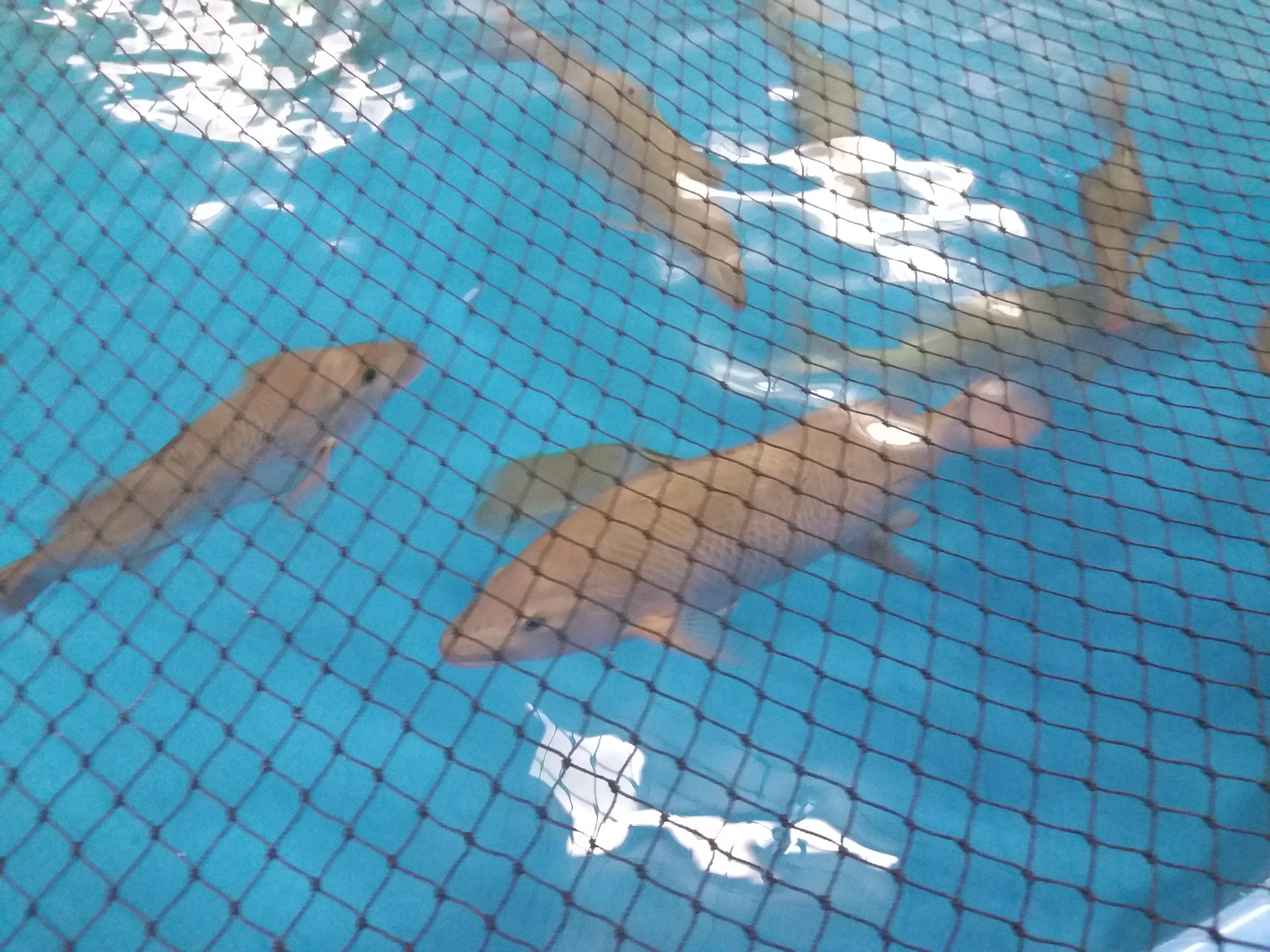
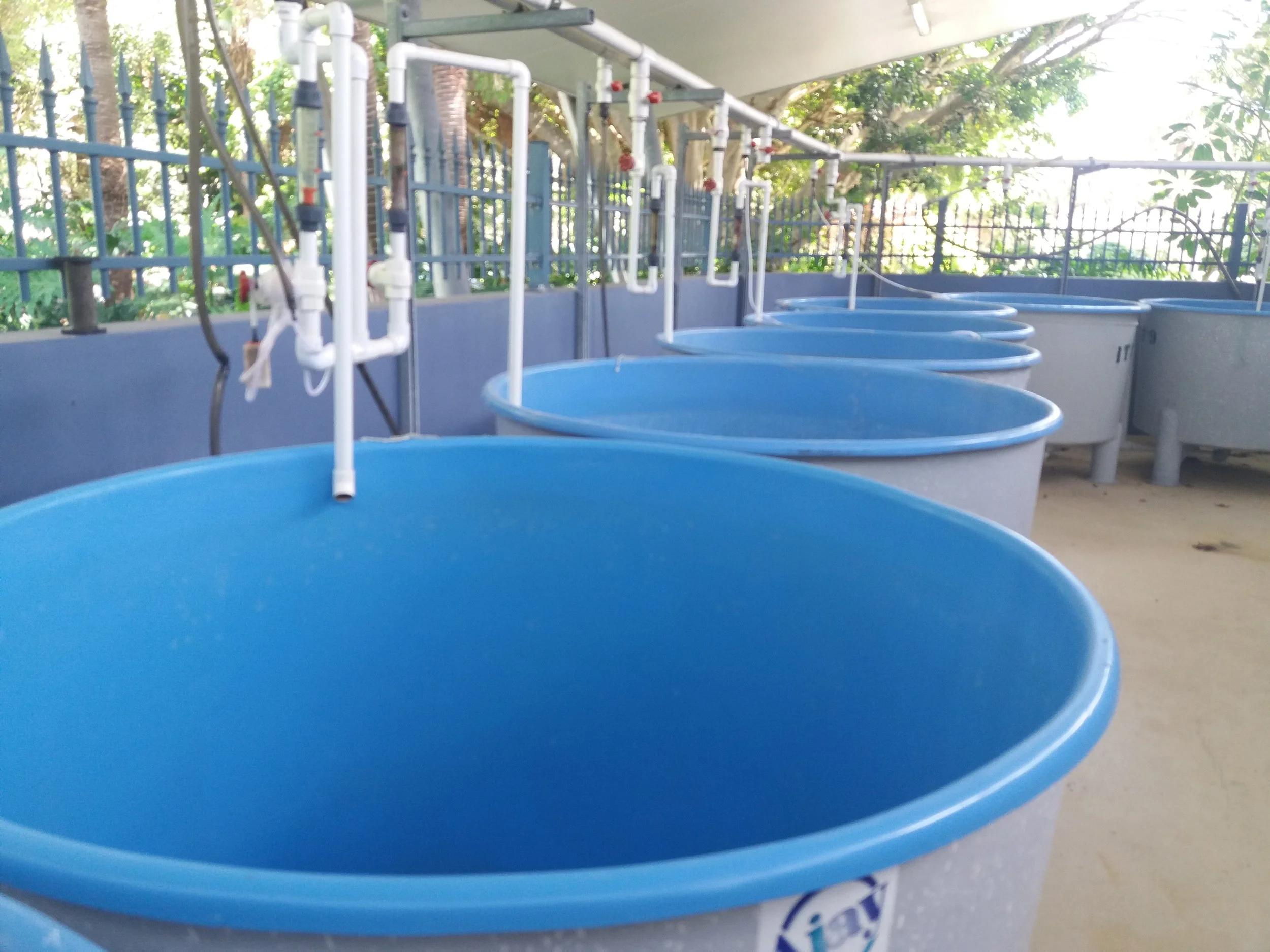
During my visit of the National Marine Science Centre in Coffs Harbour I was shown around the tank farm equipped with a flow-through system. The larger tanks were currently housing some Eastern rock lobster (Sagmariasus verreauxi), yellowfin bream (Acanthopagrus australis), and some well-sized Mangrove jack or red snapper (Lutjanus argentimaculatus, as pictured). I asked for permission to record with a waterwolf camera how the Eastern rock lobster behaved towards the mesh bait bag that I normally use for the drsnapper underwater camera trap. These pretty strong fellas played tug-of-war with it. They were fighting amongst each other over who will have a go at it first. And when one of them did and tried to seize and evade with its food, the rotation actions of the waterwolf camera make you dizzy. Clearly, the medical-grade mesh bait bag will only last for an attack or two until it is ripped to shreds.
Pierspotting a potbellied seahorse
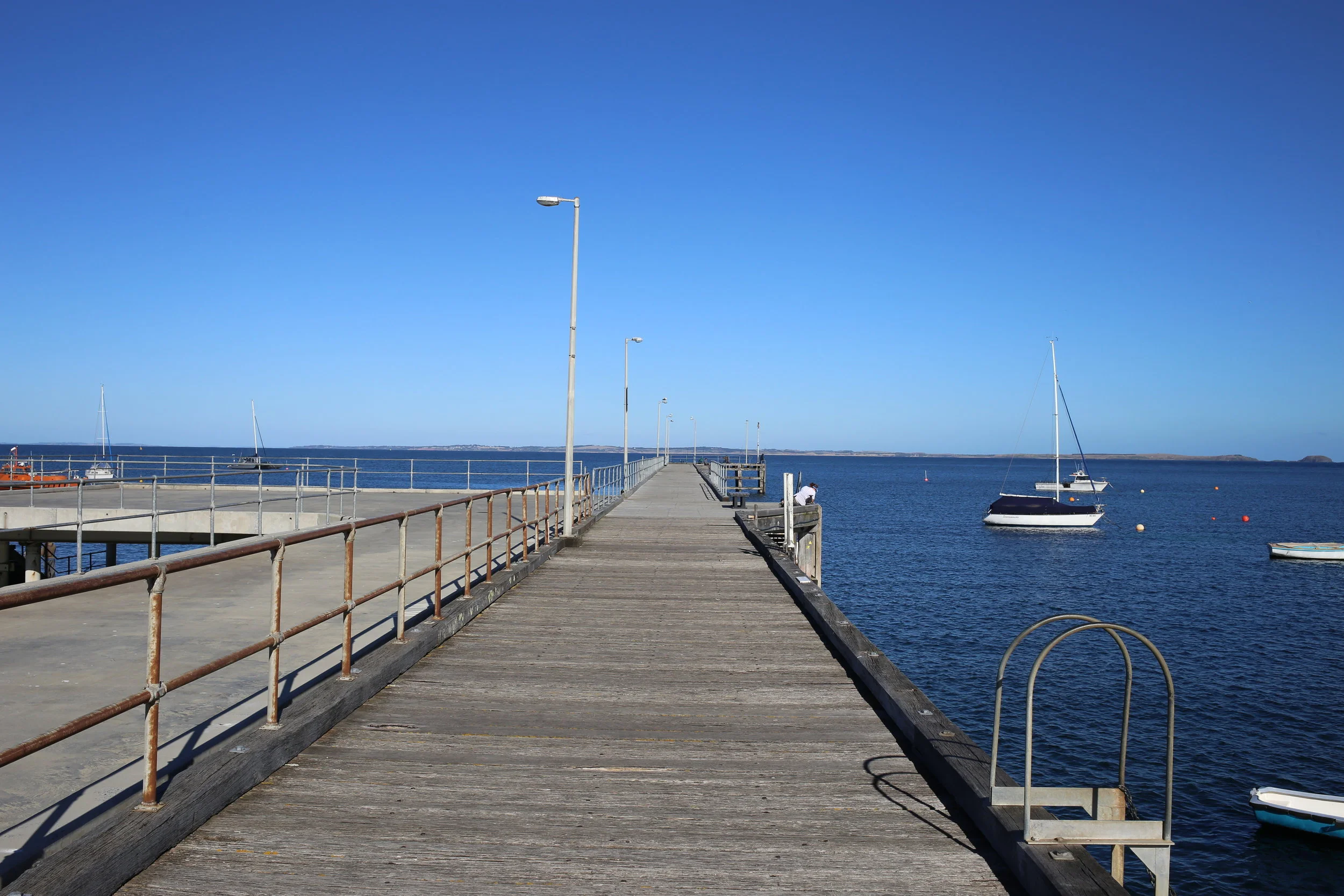
At the pier in Mornington, Victoria, I approached a couple of people who were staring down a harbor wall. They had spotted a potbelly or bigbelly seahorse (Hippocampus abdominalis), which clung itself around some seaweed. This is the largest seahorse species in Australia. They can grow up to an impressive 35 cm. By dangling a waterwolf camera in some proximity of it with a handline and placing the camera on some pebbles I managed to get a nice shot of it.
Shark bay
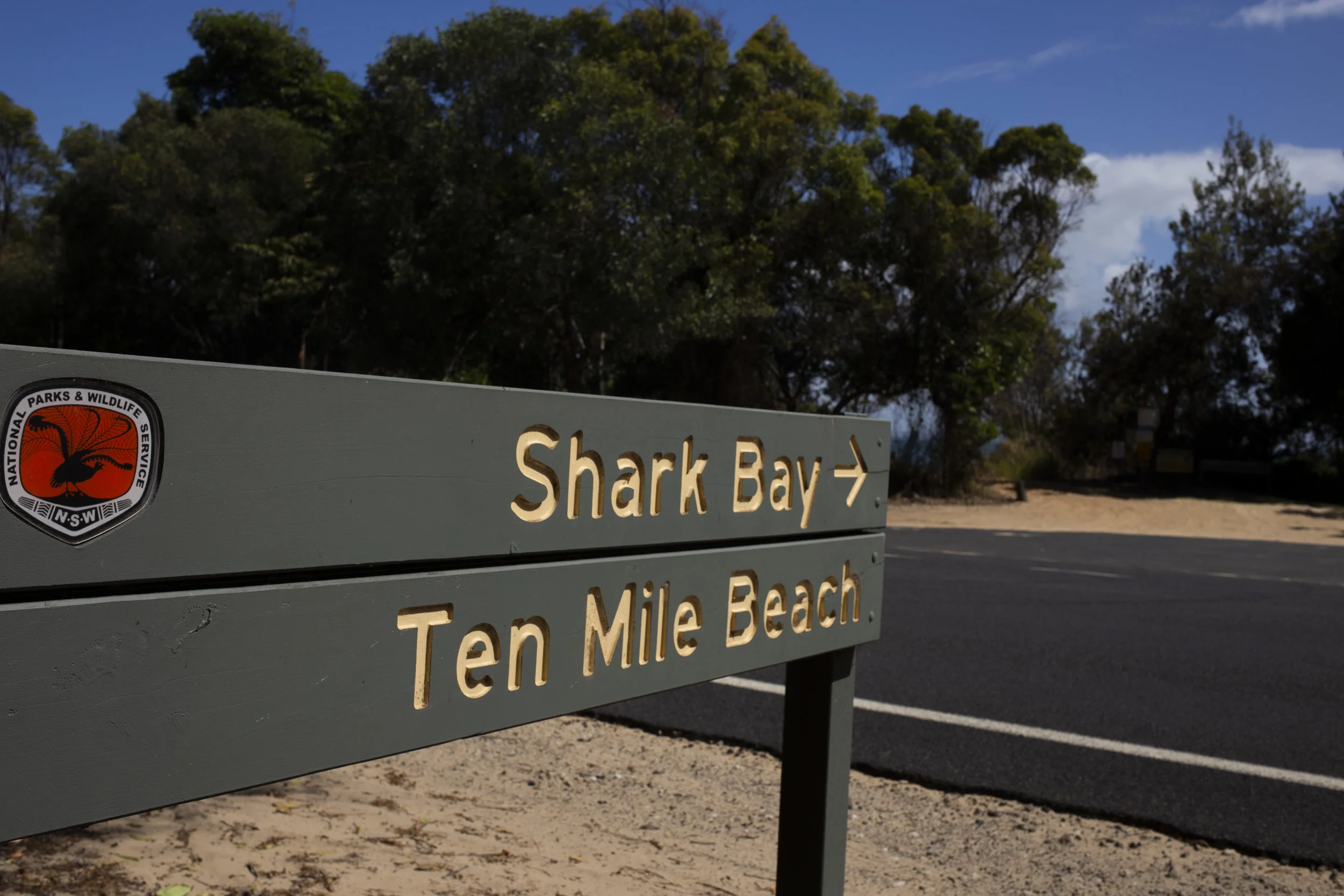
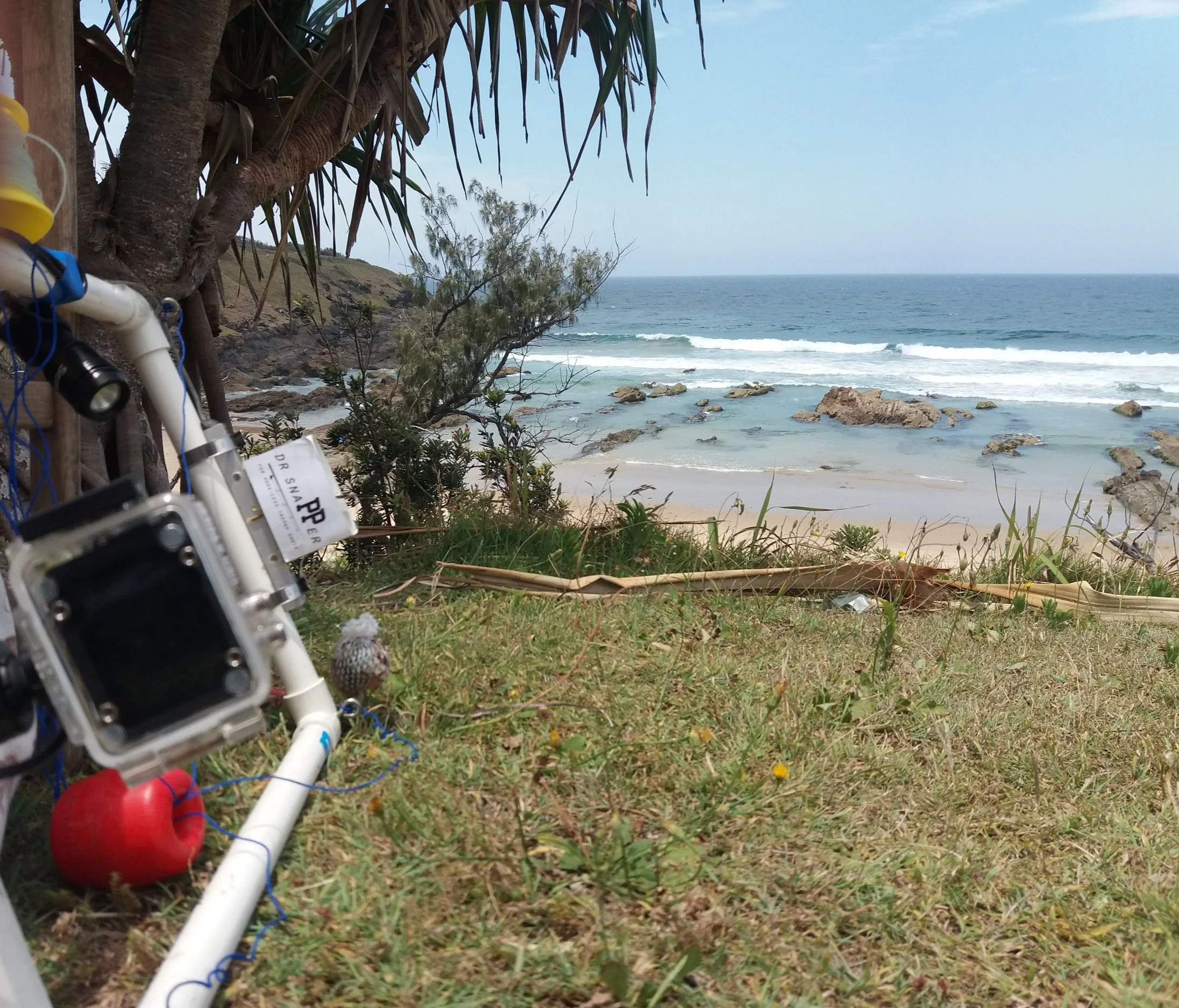
At a rocky headland along the Mid-North Coast of New South Wales, I baited and deployed the drsnapper underwater camera trap (which is pretty much a BRUV – Baited Remote Underwater Video station with a mechanical trigger function). A wobbegong shark (Orectolobus spp., a species of carpet shark) seemed to show some interest in the bait odour (chopped mackerel) or at least it stayed about for a little while. I picked a pretty choppy day for it with a southerly blowing, so the drsnapper PVC frame contraption equipped with an underwater action camera (modified as prototype camera III) got moved around a fair bit. Although the bite of a wobbegong shark can be pretty nasty, it felt more like a pudel dog was circling around my legs than a shark.
Inside an ancient fish trap
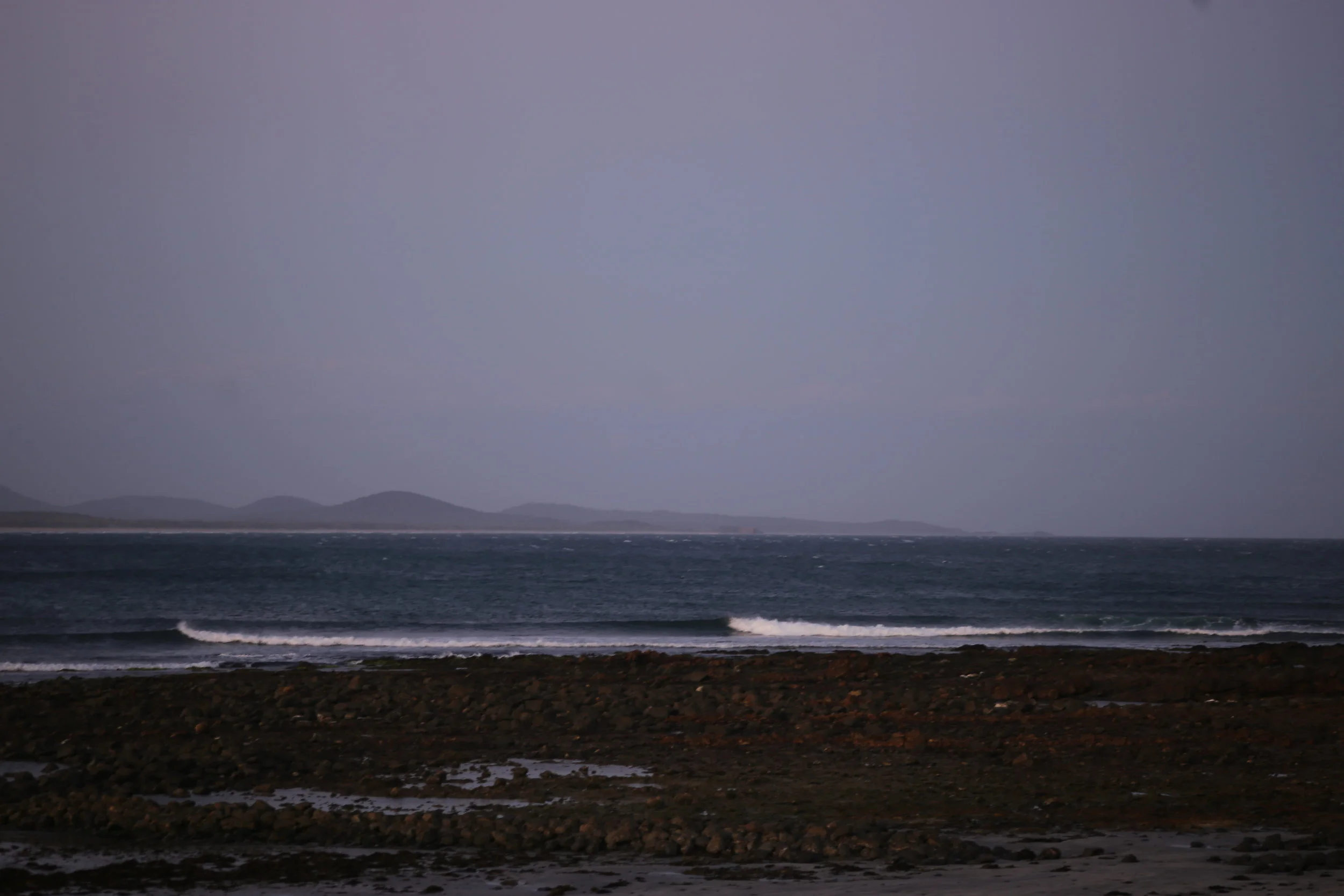
On the Mid North Coast of New South Wales, I went for a snorkel inside an ancient fish trap and spotted some yellowfin bream (Acanthopagrus australis) and Stripeys (Microcanthus australis), amongst other fish.
Follow the sun
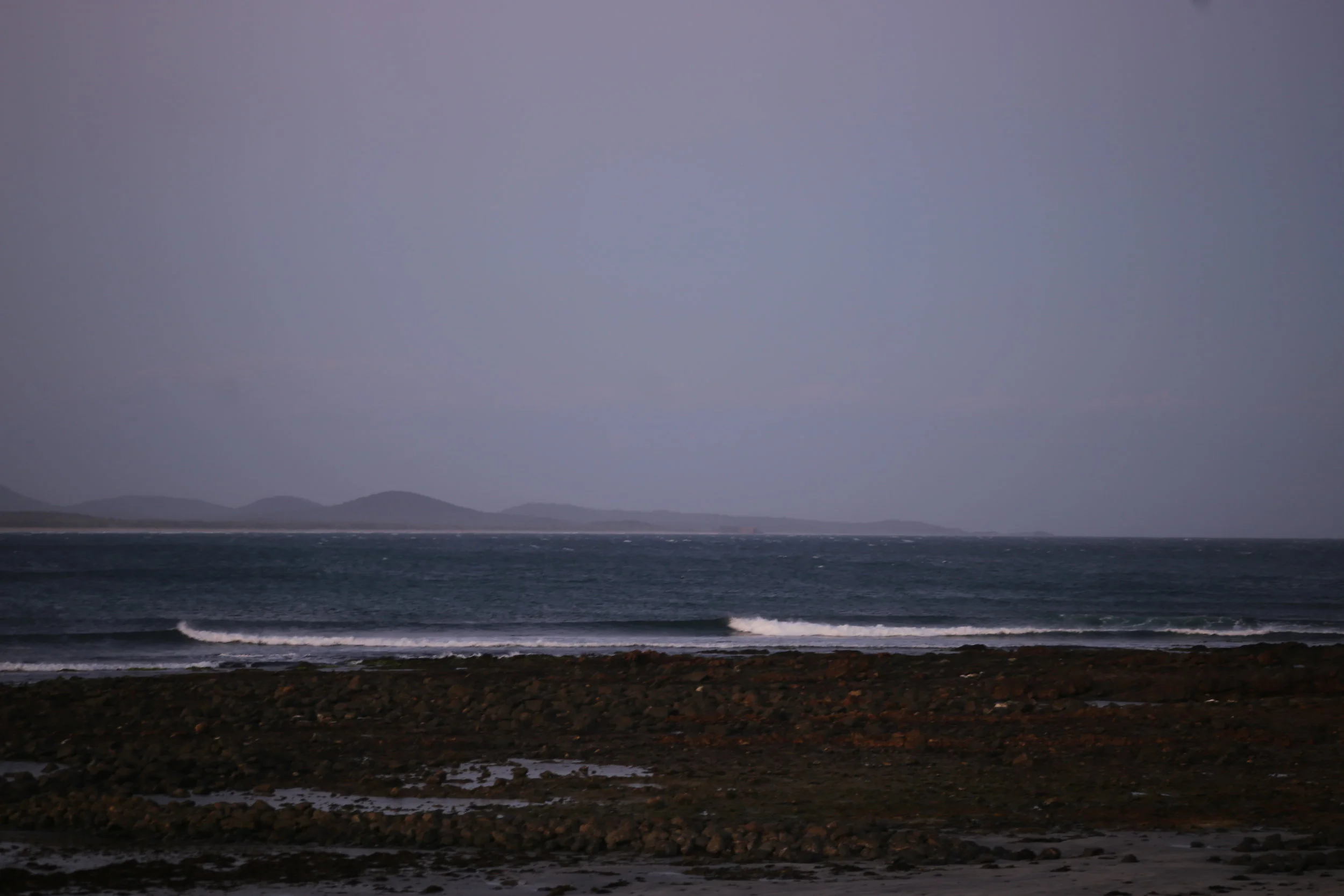
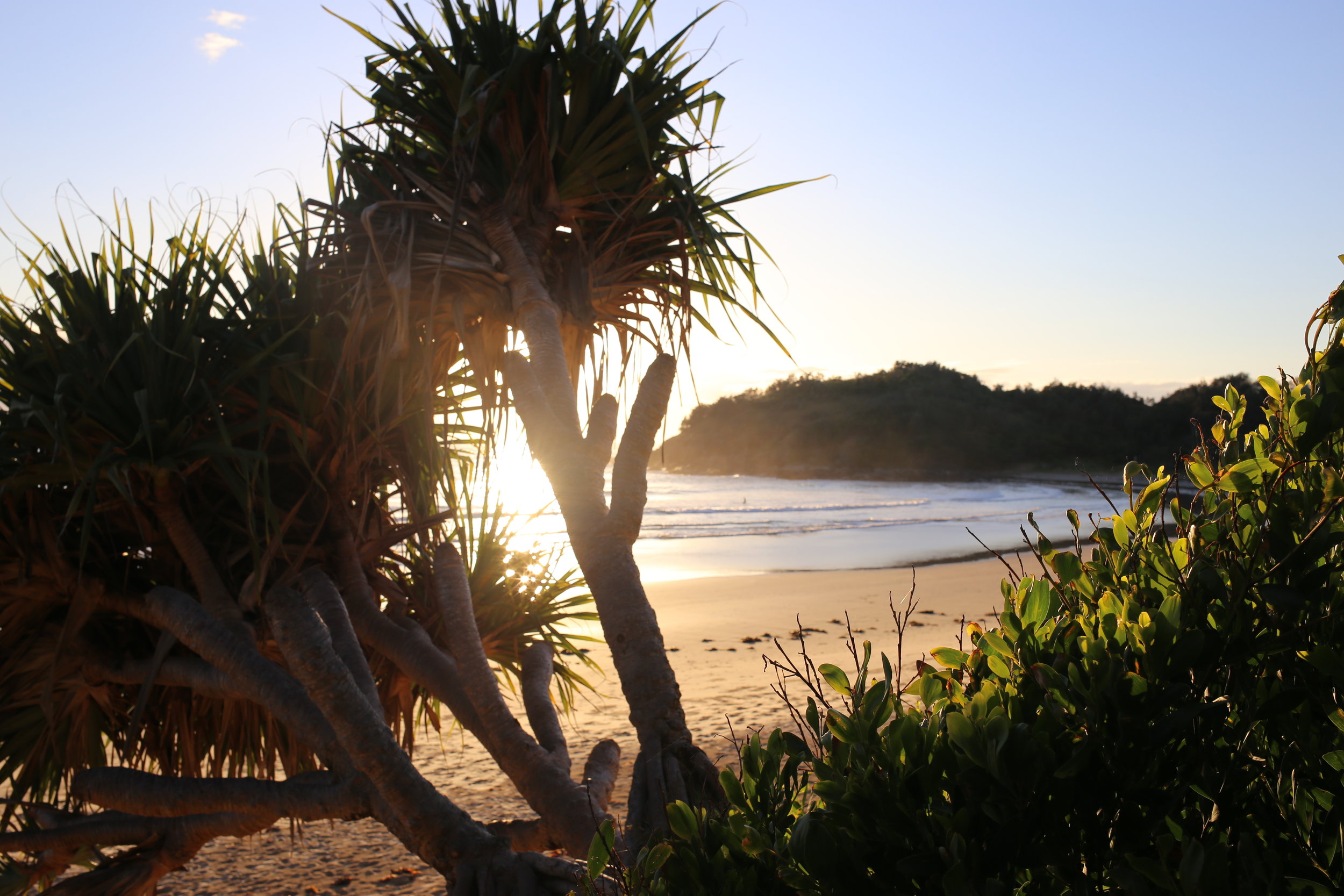
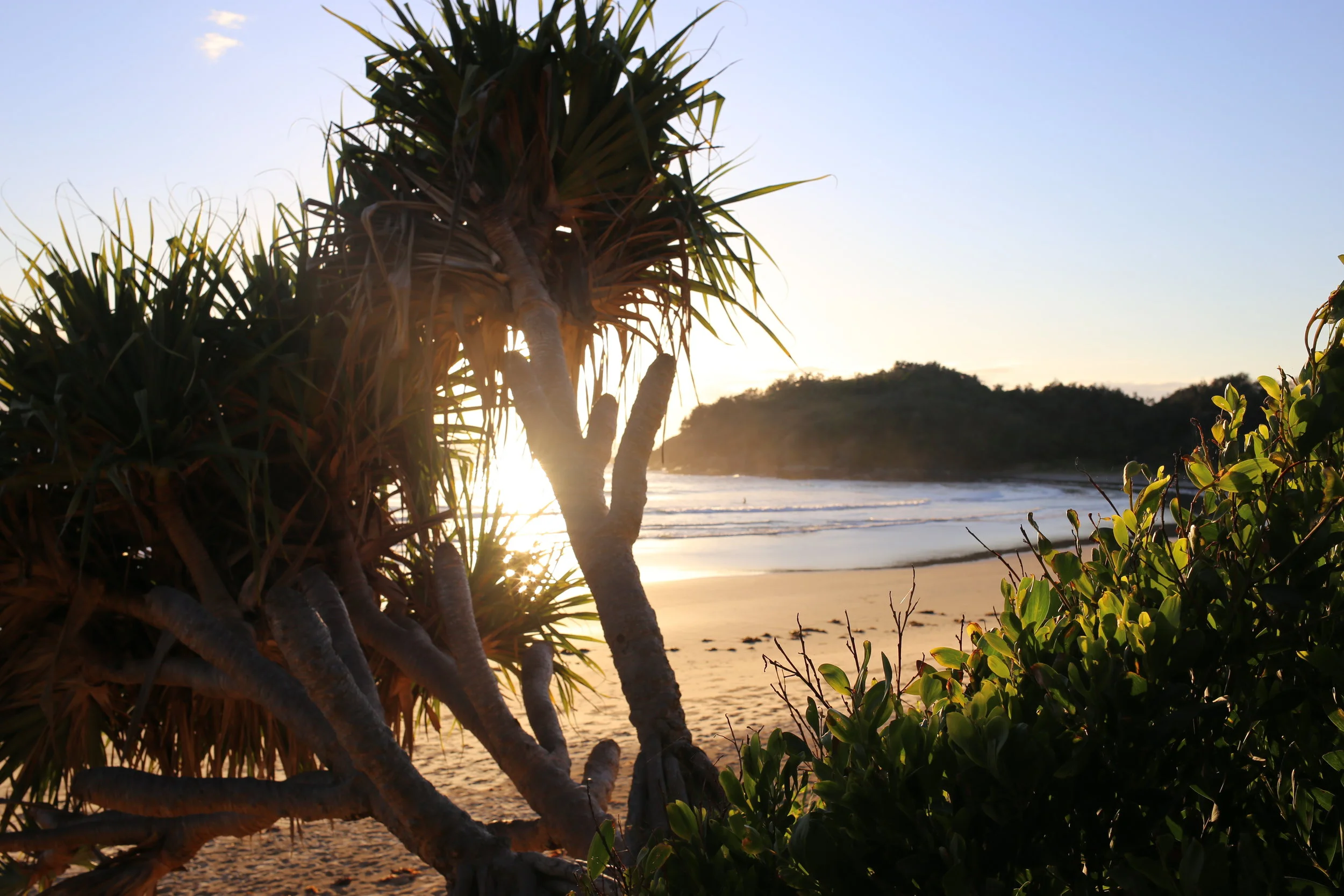
Visiting OZ at the moment and trying to capture also some underwater trophy shots with the drsnapper camera trap, waterwolf and spydro cameras configured as hook-less contraptions.
Irish soaktime revisited
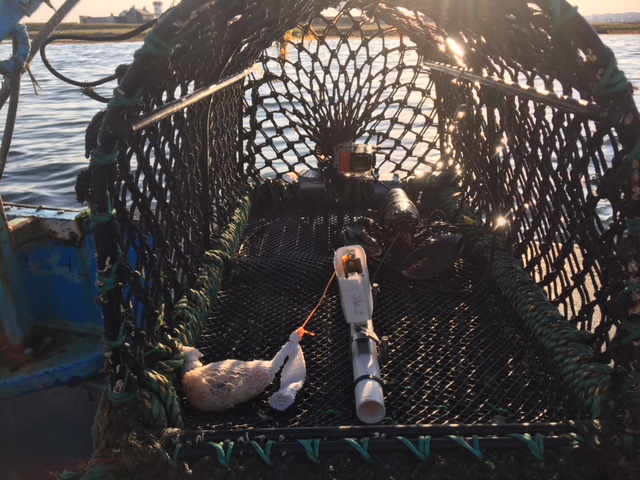
The camera trial in Ireland (see post “Irish soaktime”, August 2018) finished before it started with prototype II soaking up some brine. It got pickled at depth on the first deployment. Something I had expected though, given the water pressure at the weak spot (where the trigger cables run through the epoxy coat of the housing) that it would leak some water. To compensate for the loss, I got given some footage to feature here. These are underwater images from a GoPro showing the escape of some fish through a 300 mm, squaremesh netting panel inside an otter trawl. A little bit unrelated to promoting drsnapper’s hook-less fishing concept, but at least some decent underwater footage of fish. The fate of at least one escapee was not very lucky being munched upon by a vessel-following harbour seal. Image courtesy: Martin Oliver, Galway, Ireland.
Vegan fishing in Mundaka
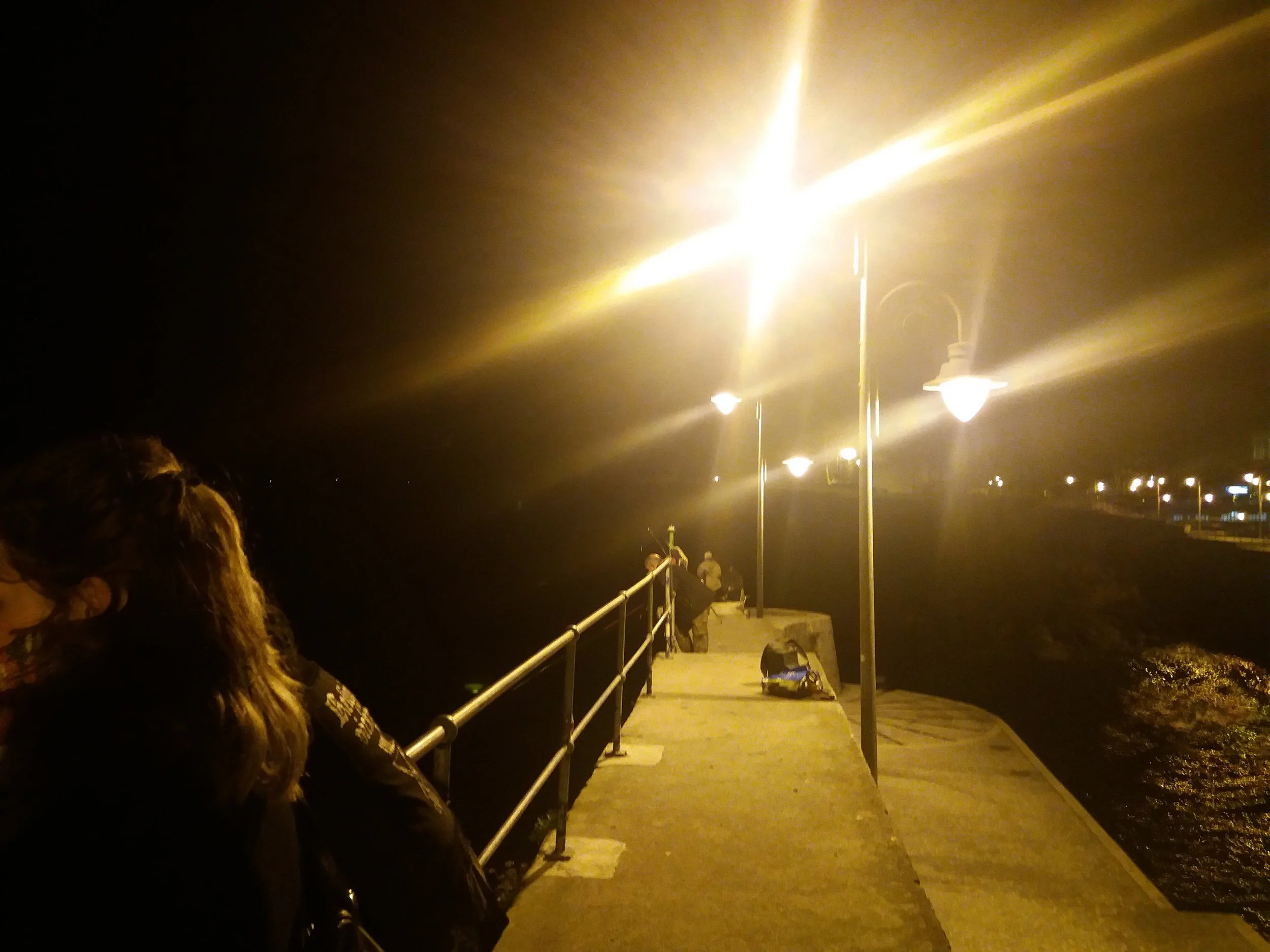
Took the spydro for a spin to stunning Mundaka. Was pretty busy during the day, so spontaneously watered the camera at night. Scanning the footage reminds me of these postcards at the cornershop - pitchblack picture with a title “Fishing - at night - Greetings from Blankenberge”. Similar thing here, just belief me the mullet actually ate the bread ball, they just shied away as soon as I turned the lights on. In any case, vegan fishing works - we (and the mullet) had a ball!
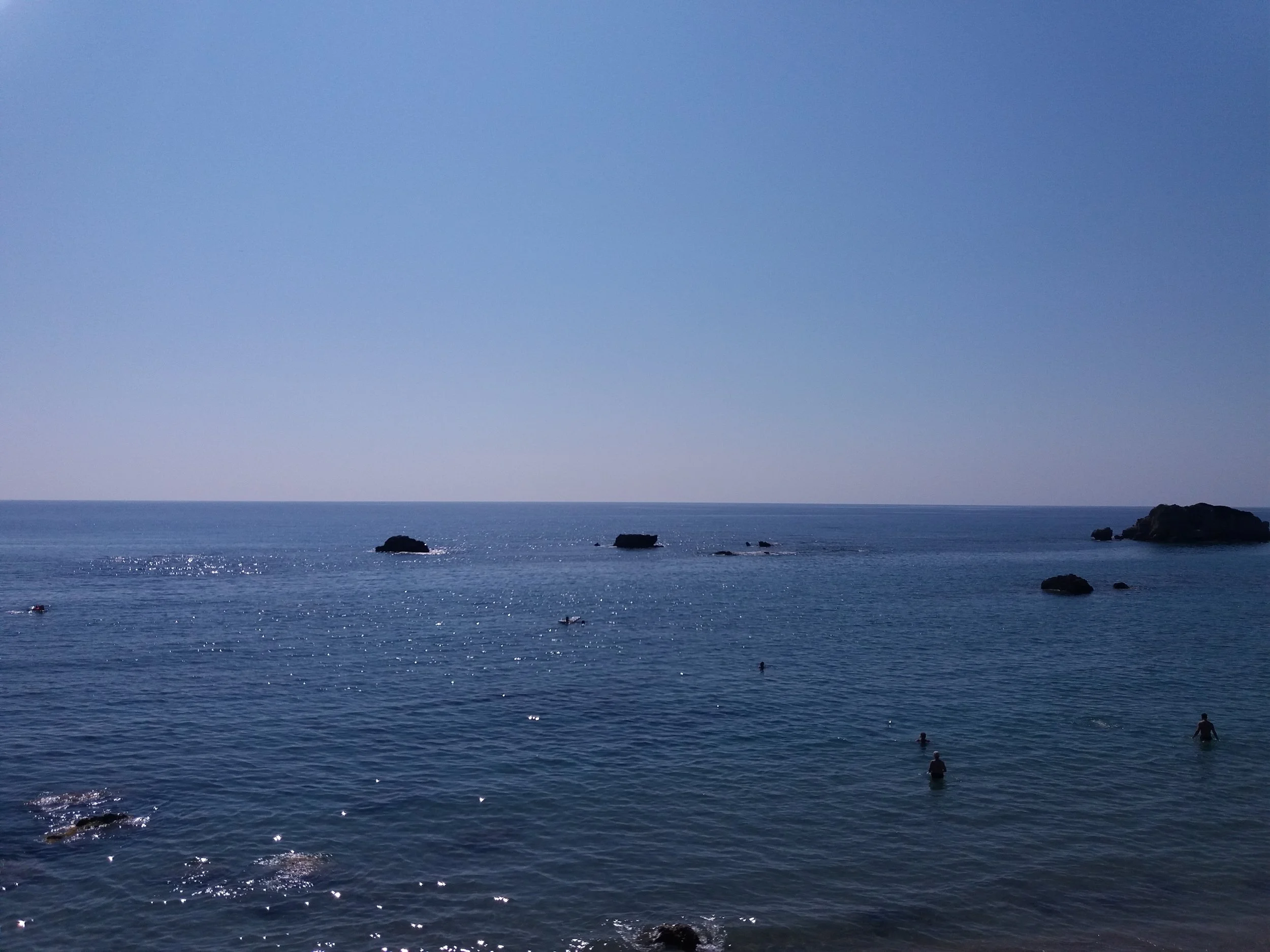
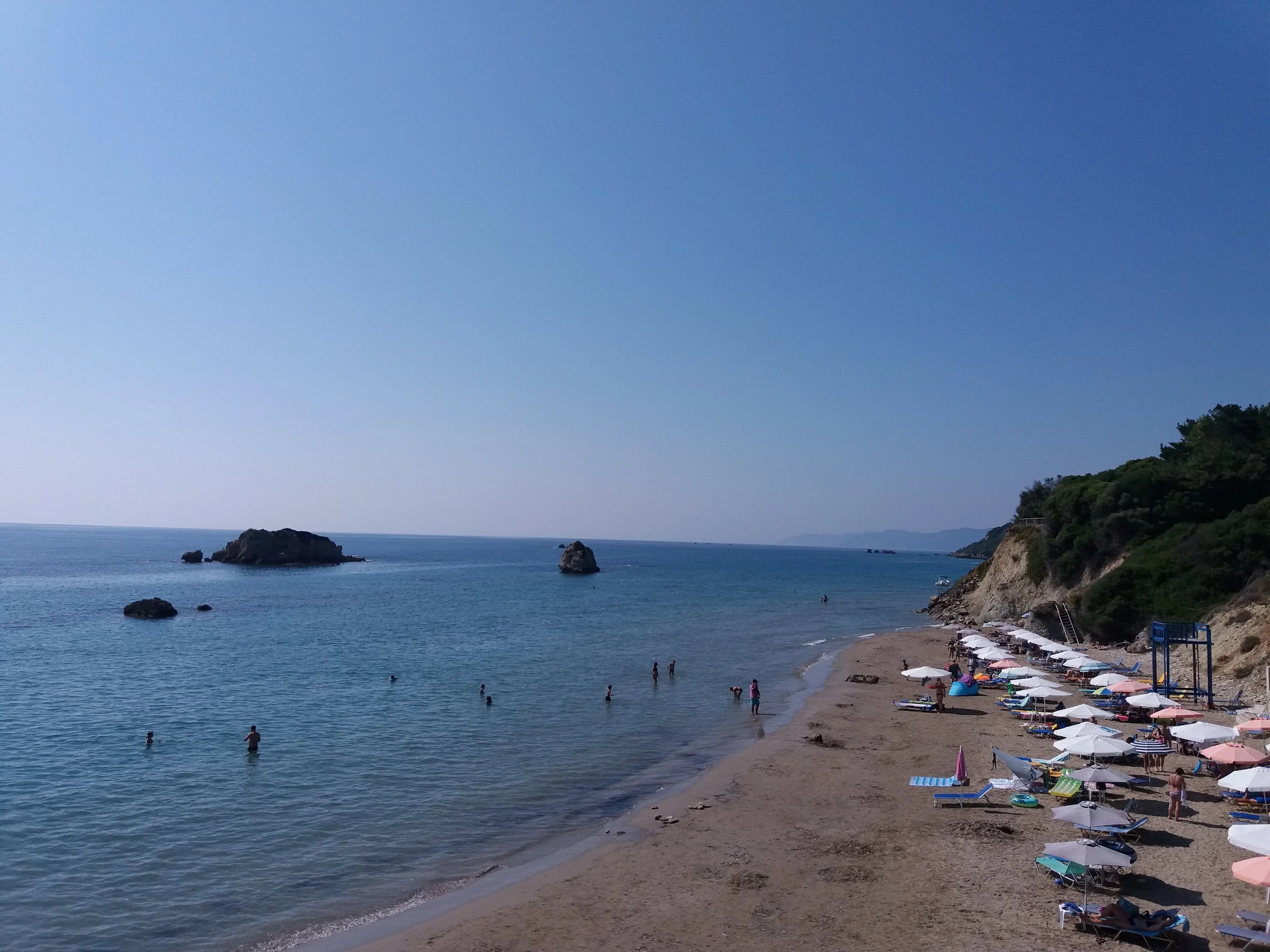
Corfu's delights
During a summer holiday, I visited Corfu - a lush Greek island in the Ionian Sea. The idea was to test two commercial underwater fishing camera's in direct comparison. Have not yet processed all the video, so watch this space.

Irish soaktime
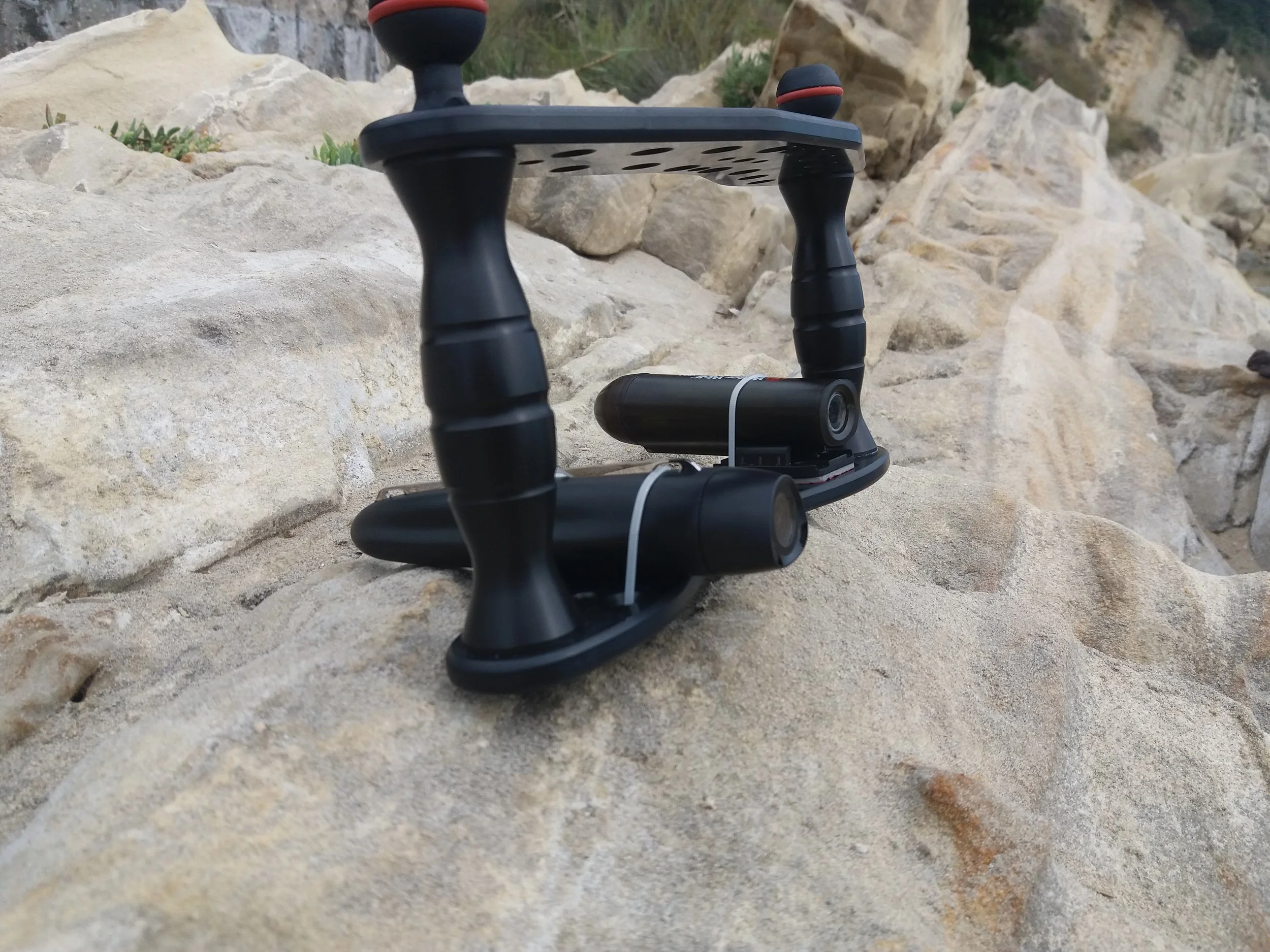
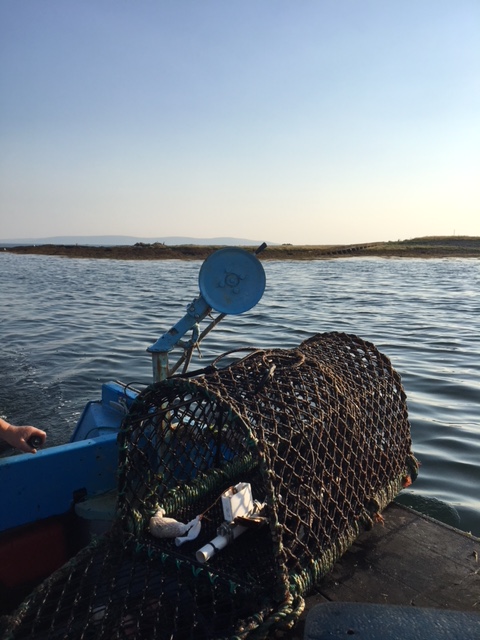
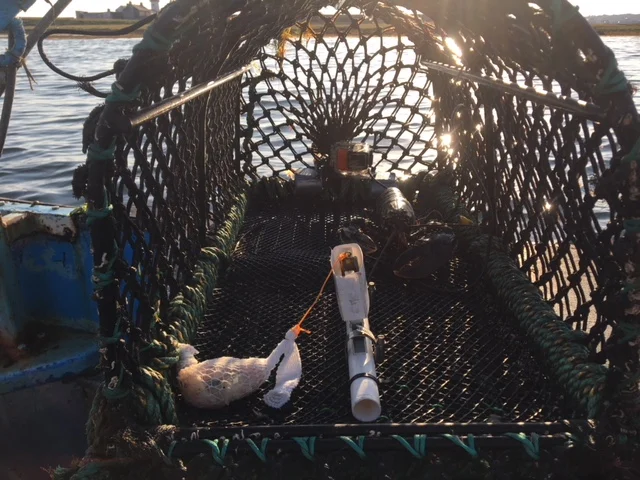
The prototype II underwater camera trap was installed inside a lobster pot off the Irish coast. The idea was to record whether and what type of an animal may steal the bait. So far this has never been documented before, but it can be a real nuisance for fishers to loose the bait prematurely before any lobsters were attracted. The camera and external trigger were secured by cable ties and the bait bag tied to the trigger, so that any rigorous pulling would trigger the camera.
Dr Snapper tutorial
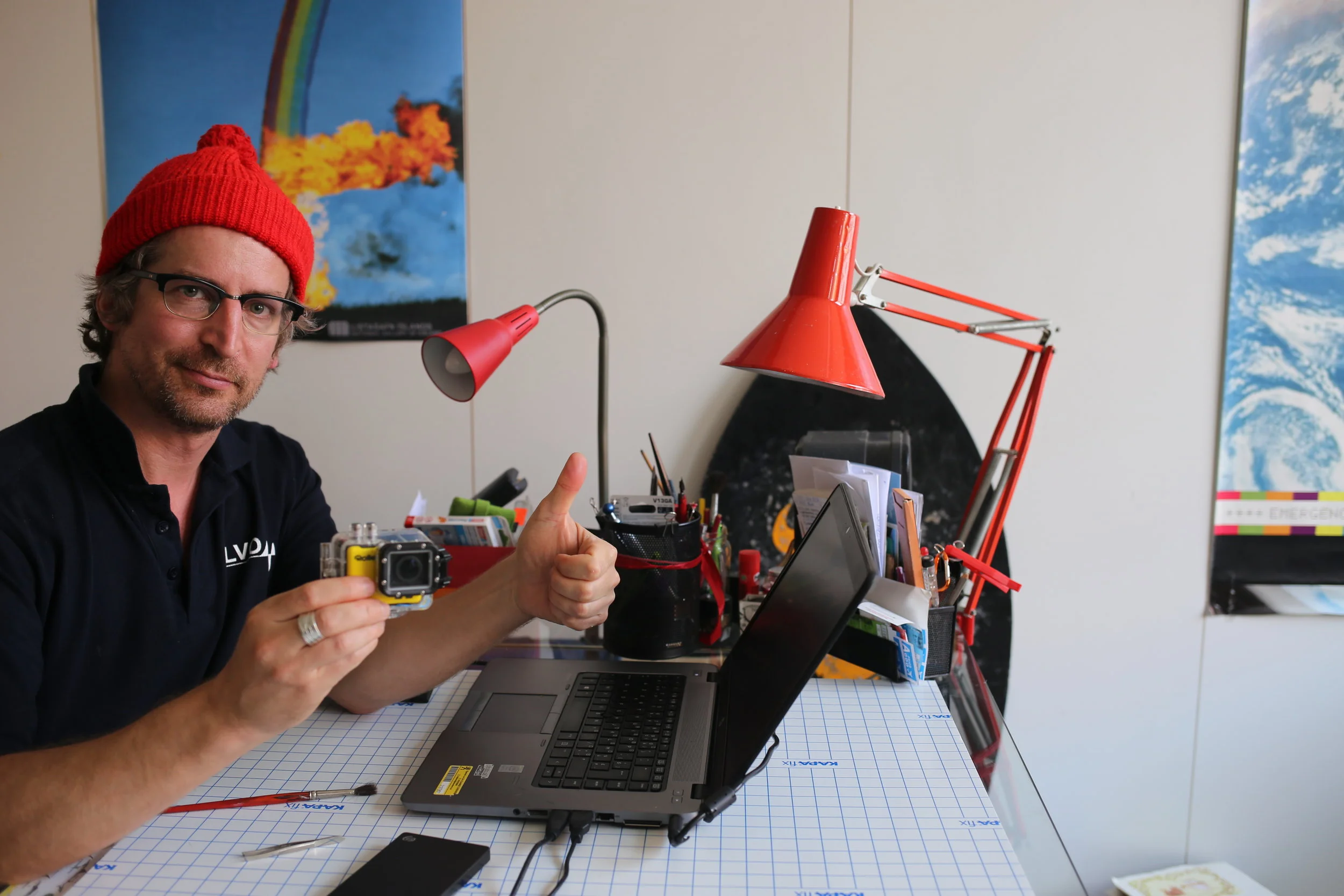
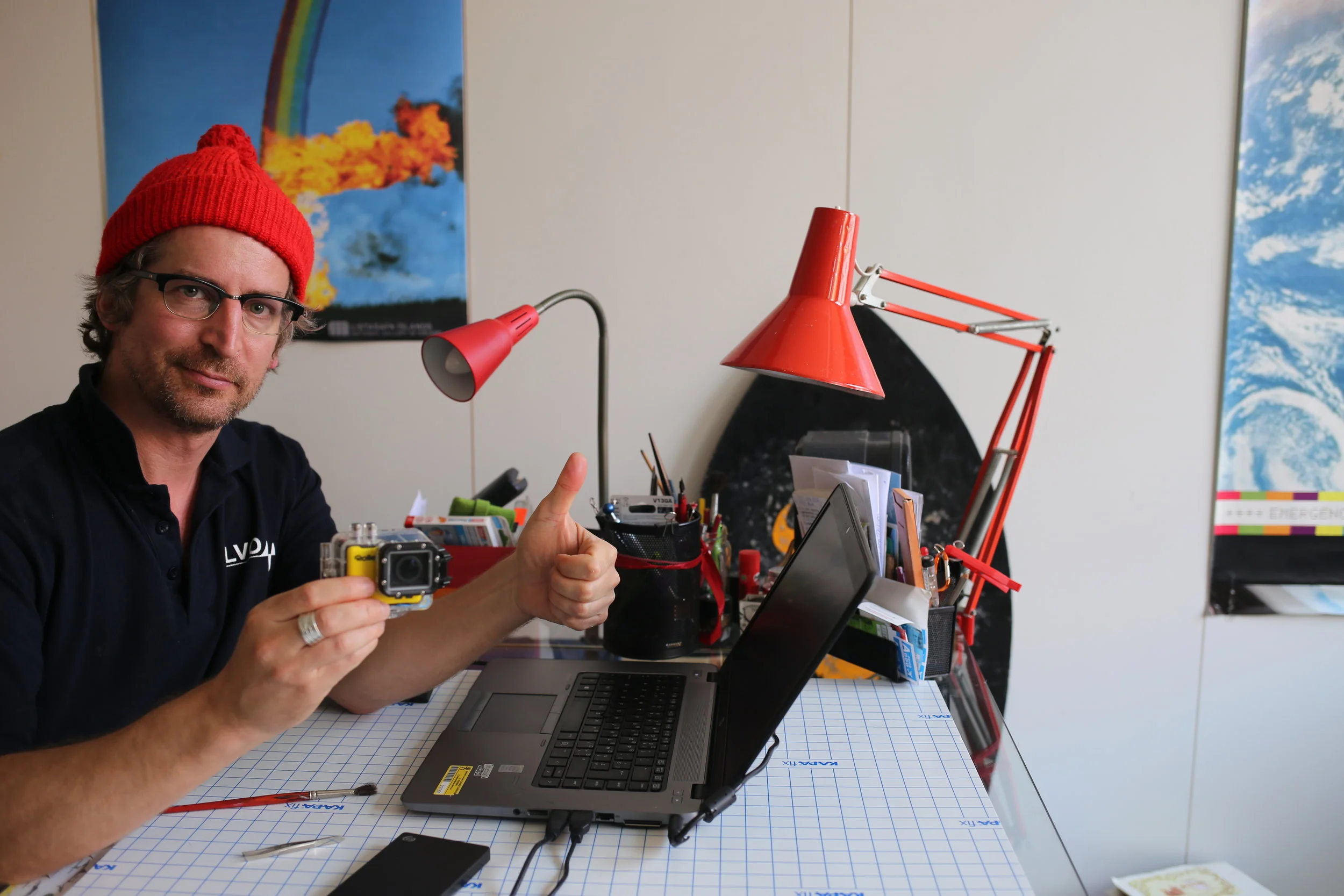
Gearing up for the field trial off the coast in Galway, Ireland. Some instructions on how to insert the battery, powering the camera on and seal the housing.
Off to the Emerald Isle
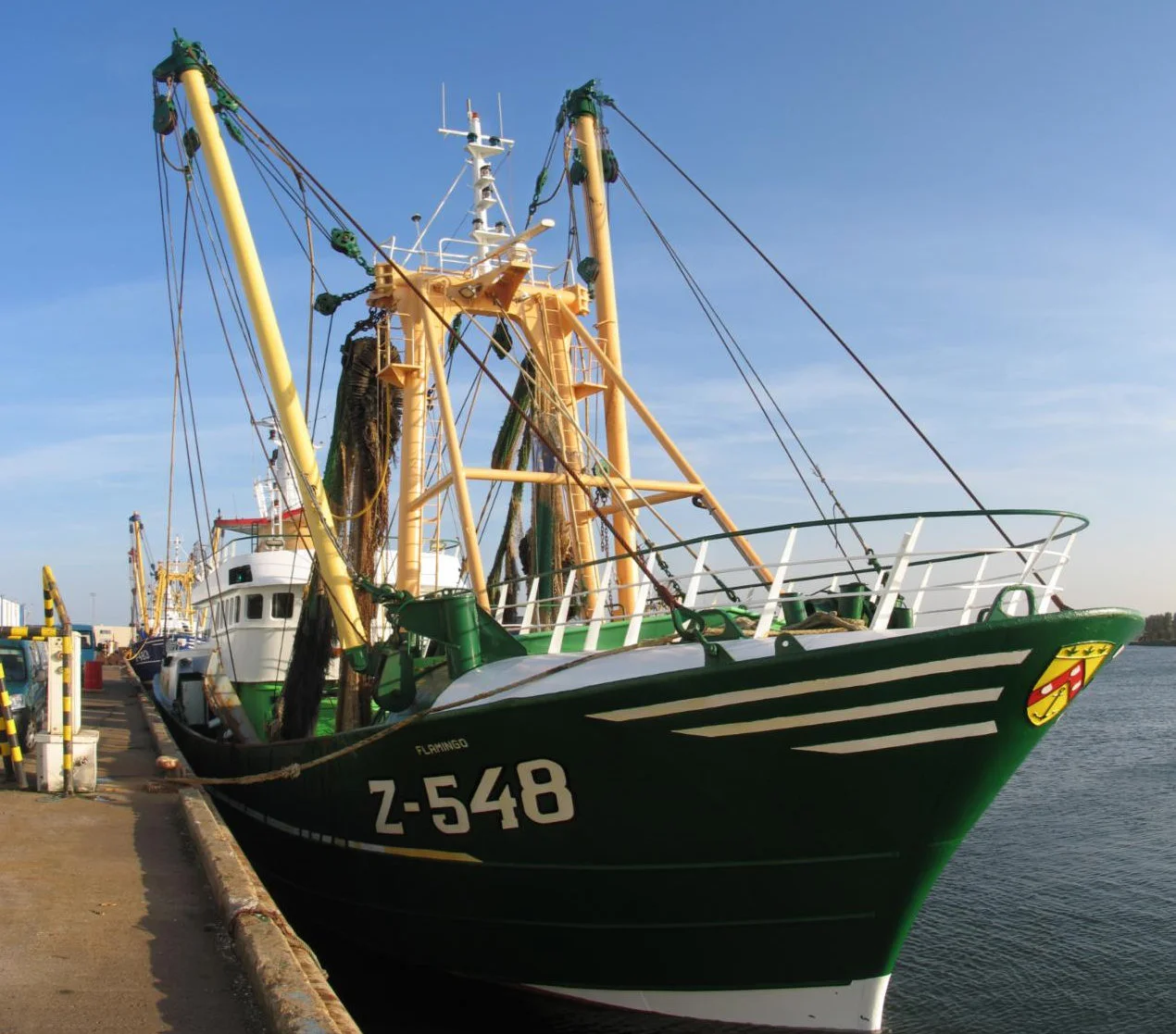
This week prototype I and II went for a hitch across the ditch to Galway, Ireland to ring in a field trial. More on it soon.